Visiting a former prison or asylum is an eerie experience, knowing you are free to explore where hundreds were once trapped. Has so much suffering and loneliness left something intangible behind?
Most people avoid ending up in a prison or asylum, opting instead to experience it vicariously through television, movies, or books. When these institutions close, there’s not much that can be done with them. Some local communities, however, have figured out how they can profit from public curiosity by offering tours and events. It’s a unique experience, and thousands flock to see the empty corridors. Here are just a few of the former prisons and asylums I’ve visited over the years. Not all are open to the public, but most are.
Joliet Correctional Center
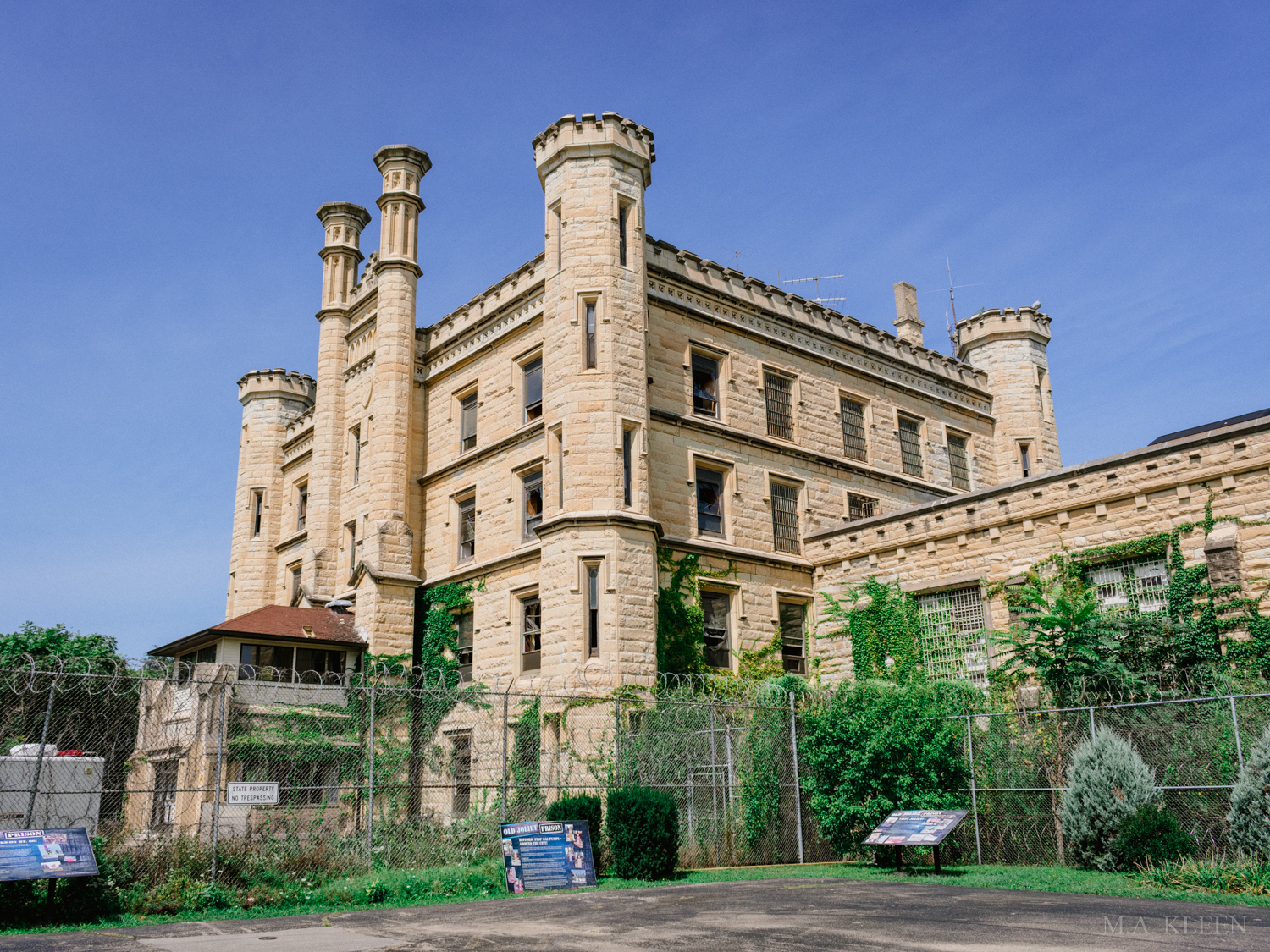
The former Joliet Correctional Center at 1125 Collins Street in Joliet, Illinois opened in 1858 and was originally called the Illinois State Penitentiary, Joliet. It was built using distinctive, locally quarried yellow limestone. It closed in 2002, but not before being used as a backdrop in several films, most notably The Blues Brothers (1980). It sat abandoned for many years, until being purchased by the city in 2017 and opened for tours. Ursula Bielski recently wrote a book about the institution called The Haunting of Joliet Prison.
Eastern State Penitentiary
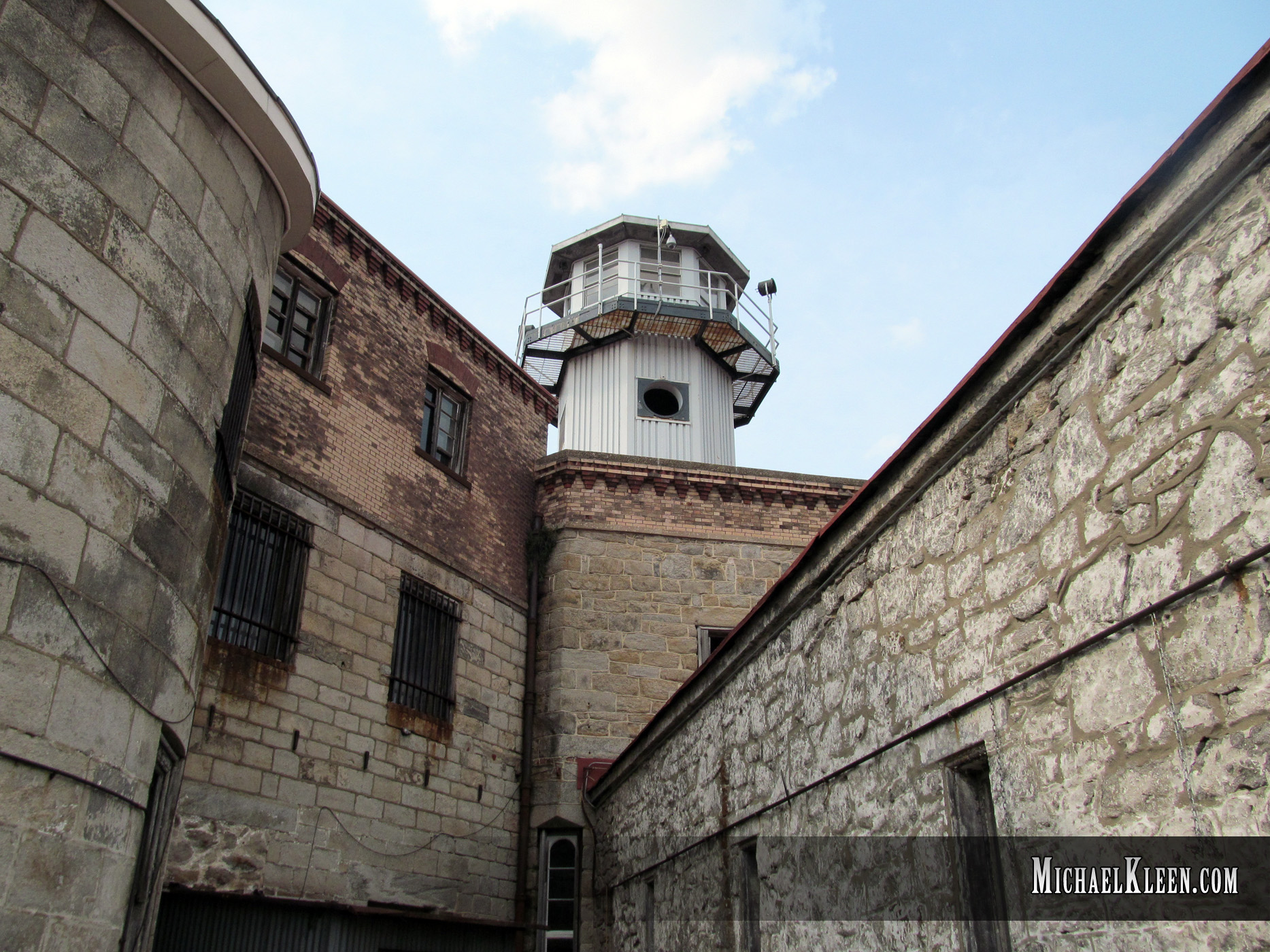
Eastern State Penitentiary, at 2027 Fairmount Avenue in Philadelphia, Pennsylvania, was designed by Architect John Haviland and built in 1829. A man named Charles Williams was its first prisoner. The prison became so famous that it was one of two places Charles Dickens wanted to see when he visited Philadelphia in 1842.
Today, the prison hosts daily tours and special events, including an annual haunted house called “Terror Behind the Walls.” Art installations can be found scattered throughout the grounds and in some of the cells, and the museum holds a wealth of information about the US prison system.
Ohio State Reformatory
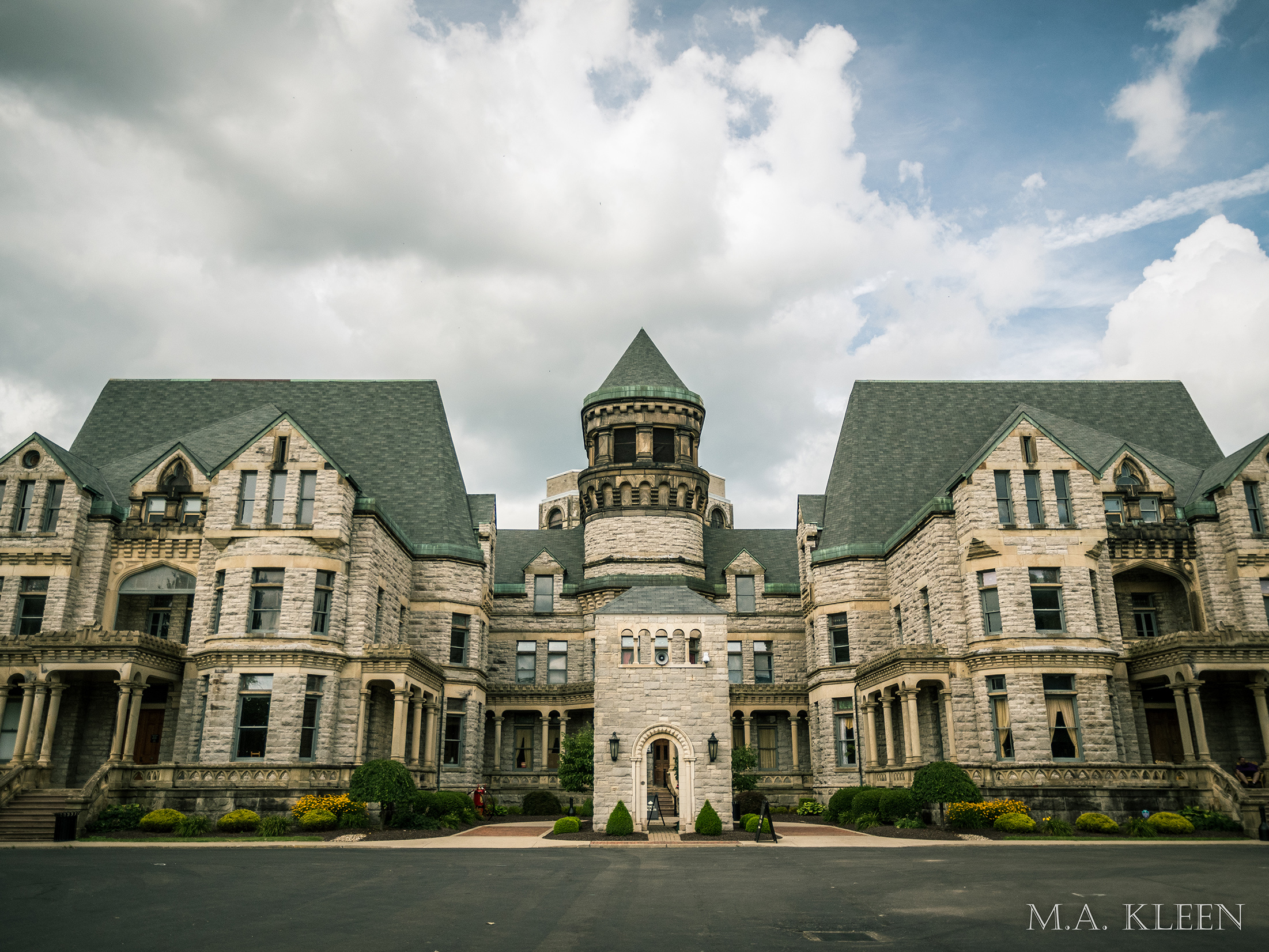
Built between 1896 and 1910, the Ohio State Reformatory in Mansfield served as a detention center for young, petty criminals. The first inmates were admitted in 1896, and they helped construct the Romanesque Revival building. The reformatory closed in 1990 and was used most famously in the filming of The Shawshank Redemption (1994). Today it is open for tours, and has attracted a reputation for being haunted.
Trans-Allegheny Lunatic Asylum
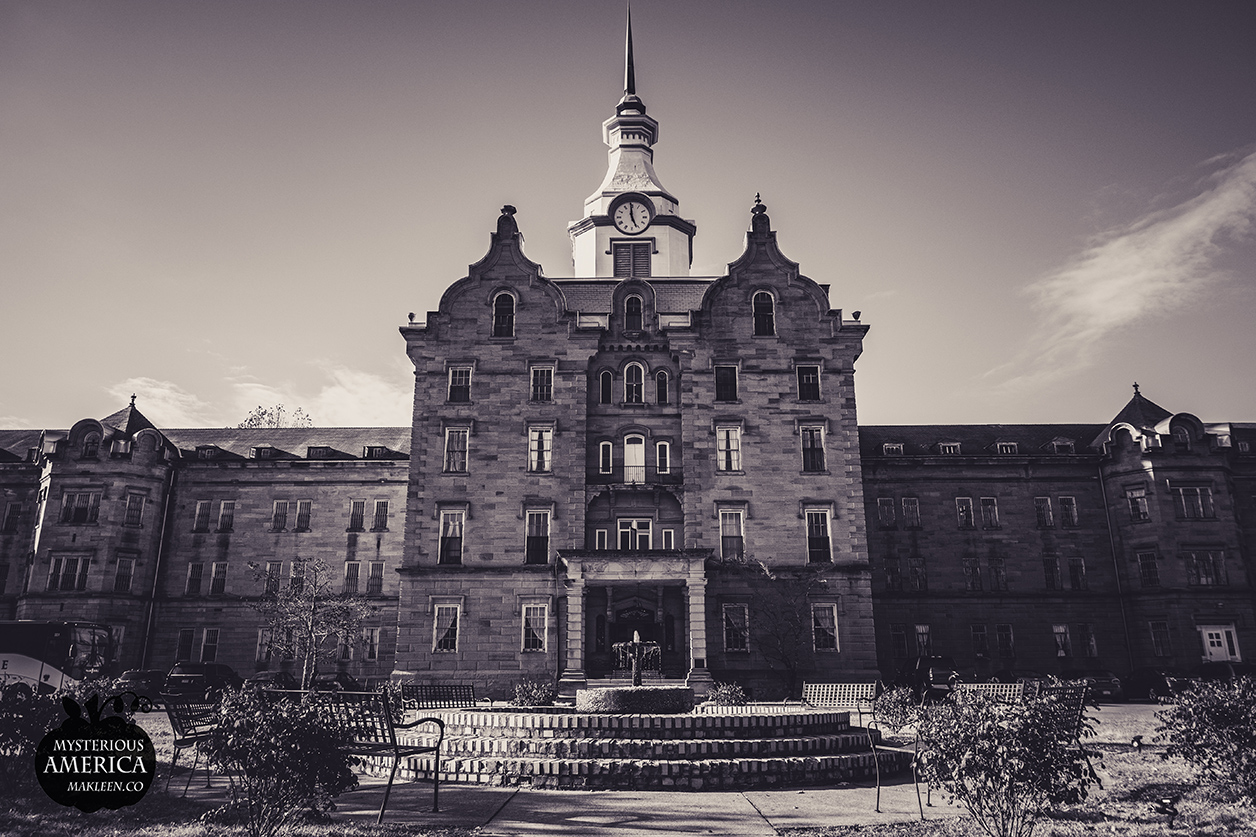
Designed in Gothic and Tudor Revival styles, construction on the Trans-Allegheny Lunatic Asylum began in 1858. In 1861, the Civil War’s outbreak interrupted construction. It opened three years later, though not fully completed until nearly 20 years later. During the mid-twentieth century, it was notoriously overcrowded and closed in 1994. It was added to the National Register of Historic Places in 1978 and designated a National Historic Landmark in 1990. After sitting abandoned for several years, it opened for tours as a museum and it slowly being restored.
St. Lawrence State Hospital
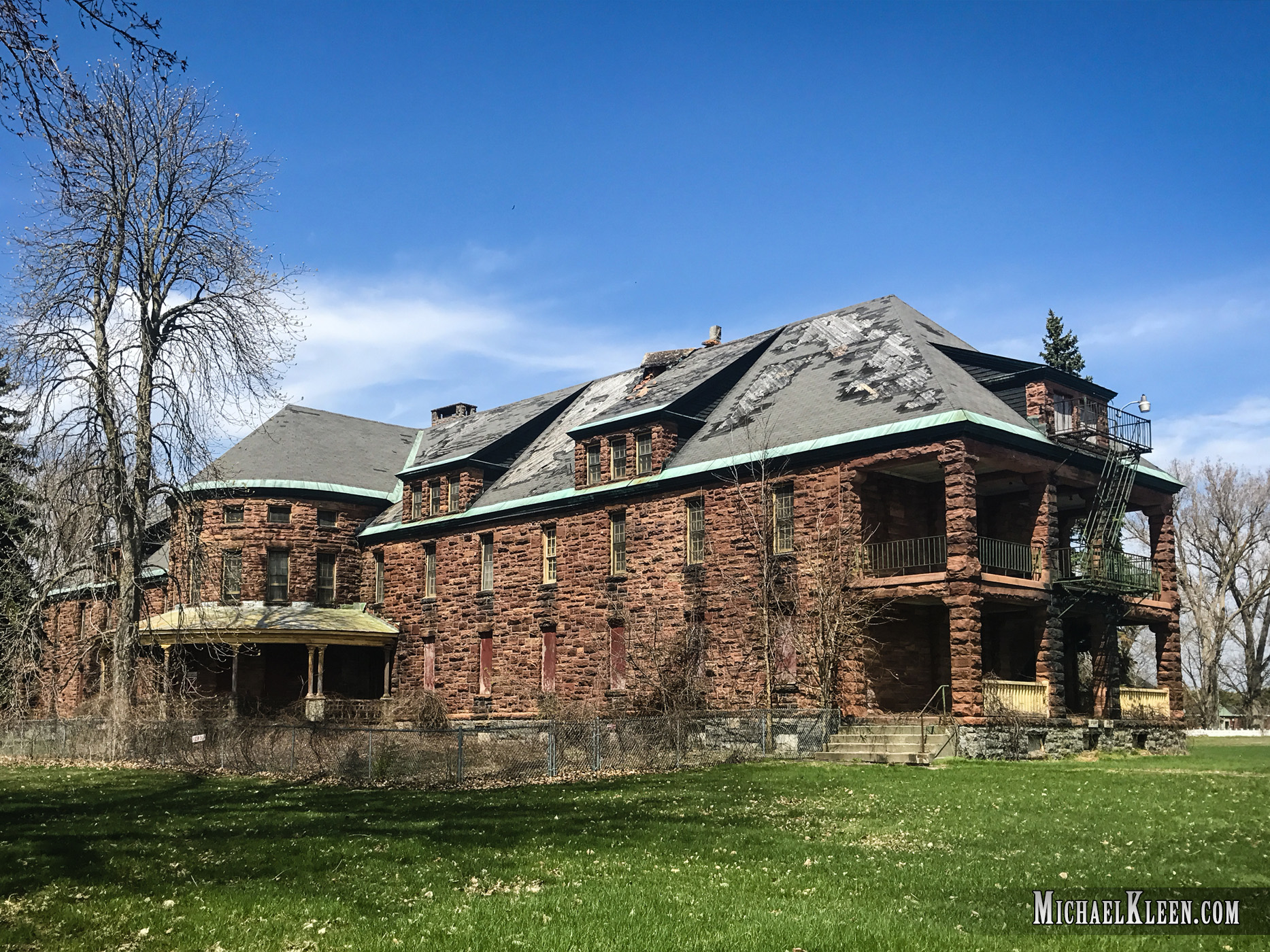
Closed in 1983, the St. Lawrence State Hospital in Ogdensburg, New York was an integral part of the local community for nearly a century. It treated thousands of mentally ill, disabled, and epileptic patients. Today, most of the hospital’s old buildings are abandoned, but several were sold and opened as private treatment facilities and a NY State minimum security prison. This one is definitely not open to the public.
Belle Isle
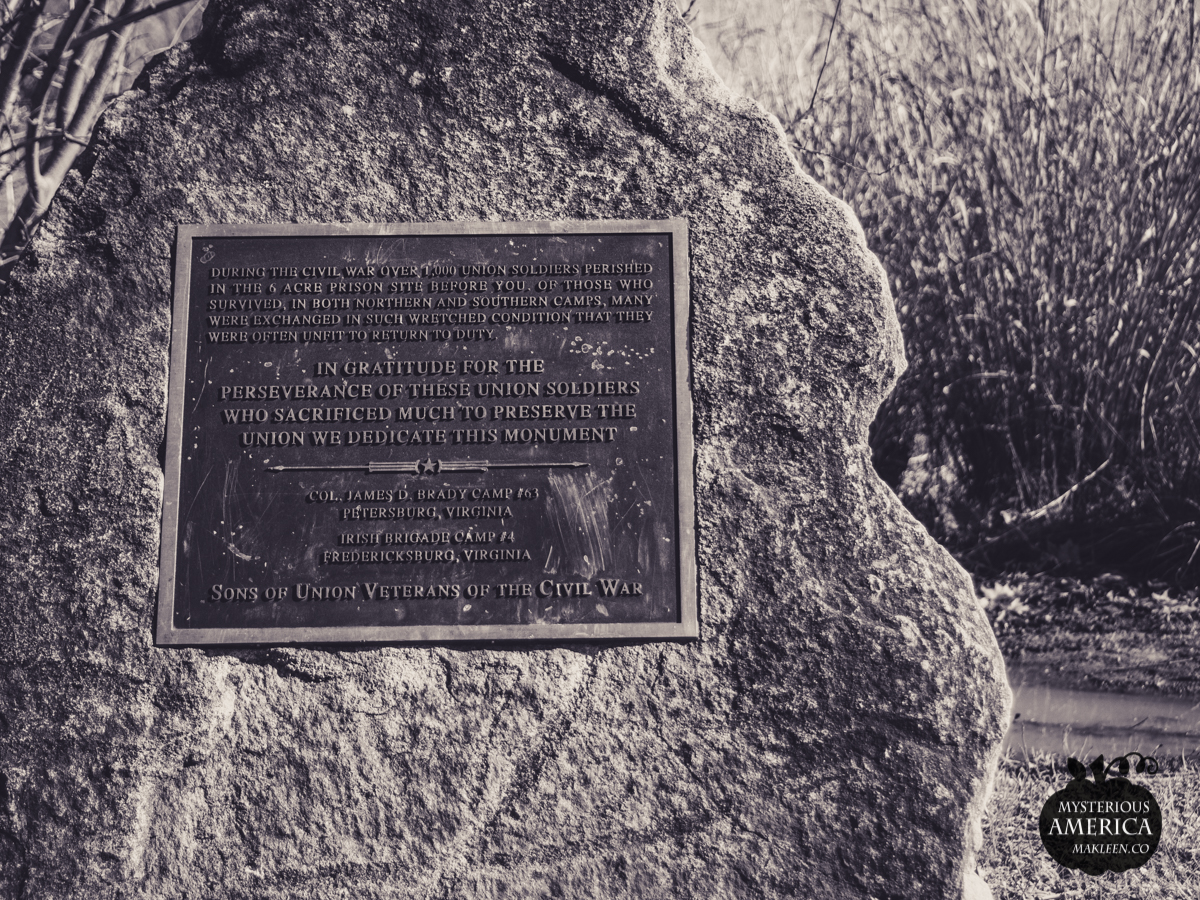
When Virginia seceded from the Union in 1861, the Confederate government found Belle Isle in the James River in Richmond, Virginia an ideal place for a prisoner of war camp. Rushing water on all sides discouraged escape, as did the artillery pieces pointed at the camp.
As many as 30,000 Union prisoners of war were held there between 1862 and 1865, peaking at 10,000 in 1863 with tents for only a third of the population. Conditions were horrible. The Confederacy could barely care for men its own armies, let alone its numerous prison camps. Disease, starvation, and exposure took a toll, and as many as 1,000 prisoners died on the island. Today it is a public park.

 M.A. Kleen
What are your thoughts?