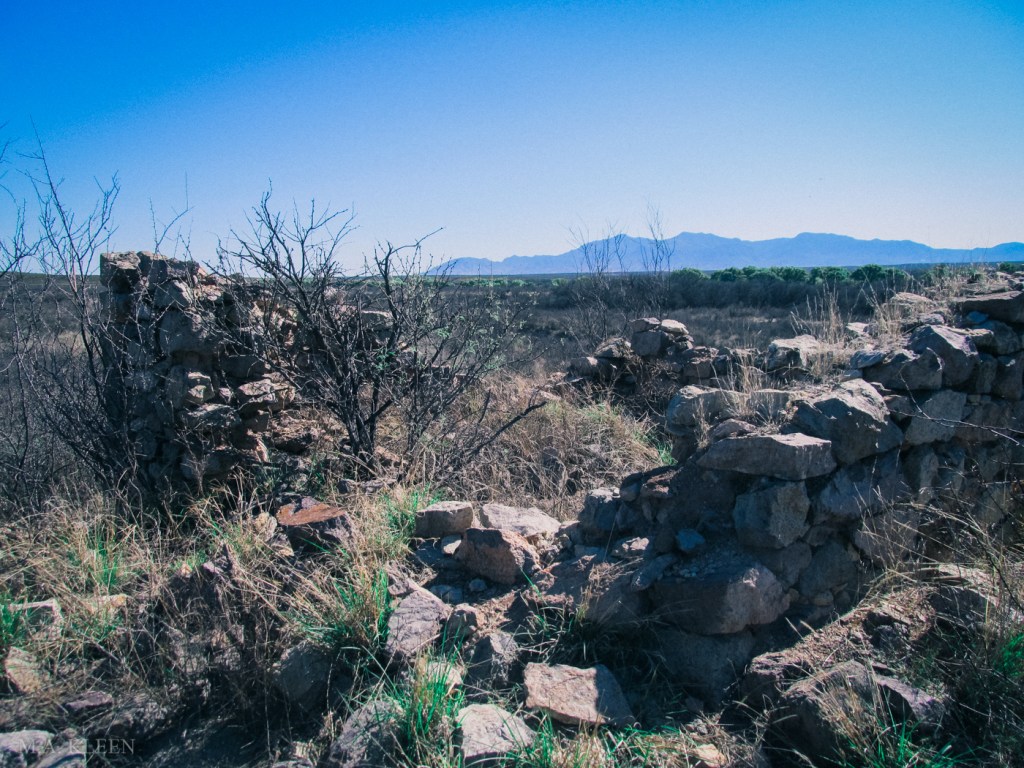
Crumbling stone walls are all that remain of these twin boom towns on the San Pedro River.
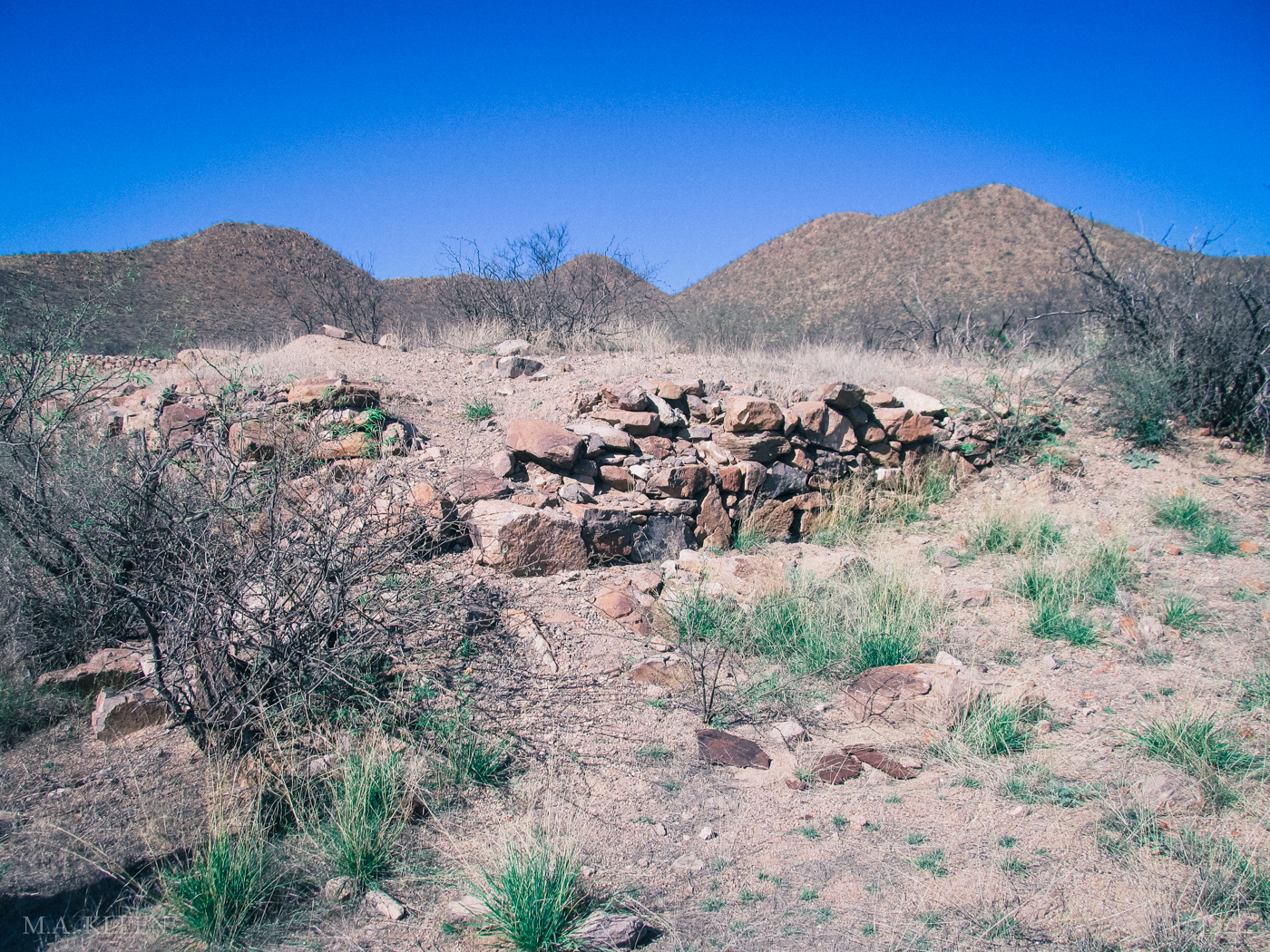
- Millville and Charleston were home to some of the Wild West’s most notorious figures.
- From 1881 to 1882, mines near these towns processed almost $1.4 million in silver.
- During WW2, the U.S. Army used the ruins of Charleston to train combat troops.
In their heyday, the dual towns of Millville and Charleston in southeastern Arizona had a lawless reputation. Located on opposite sides of the San Pedro River, about nine miles southwest of Tombstone, Millville and Charleston were home to some of the Wild West’s most notorious figures. Outlaw Frank Stilwell, for example, once owned a saloon in Charleston.
Stilwell was a deputy sheriff in Tombstone, Arizona for Cochise County Sheriff Johnny Behan and was suspected of killing Morgan Earp on March 18, 1882.
Two days later, Wyatt Earp gunned down Stilwell in a Tucson train yard. The Clanton Gang, infamous for their participation in the gunfight at the OK Corral, lived on a ranch five miles south of Charleston.
At its peak, Charleston was home to nearly 400 people. It had a post office, four restaurants, a school, a church, a drugstore, two blacksmiths, two livery stables, two butcher shops, two bakeries, a hotel, five general stores, a jewelry shop, a brickyard, a brewery, and at least four saloons.
It was mainly home to men who worked across the river at the silver mills in Millville.
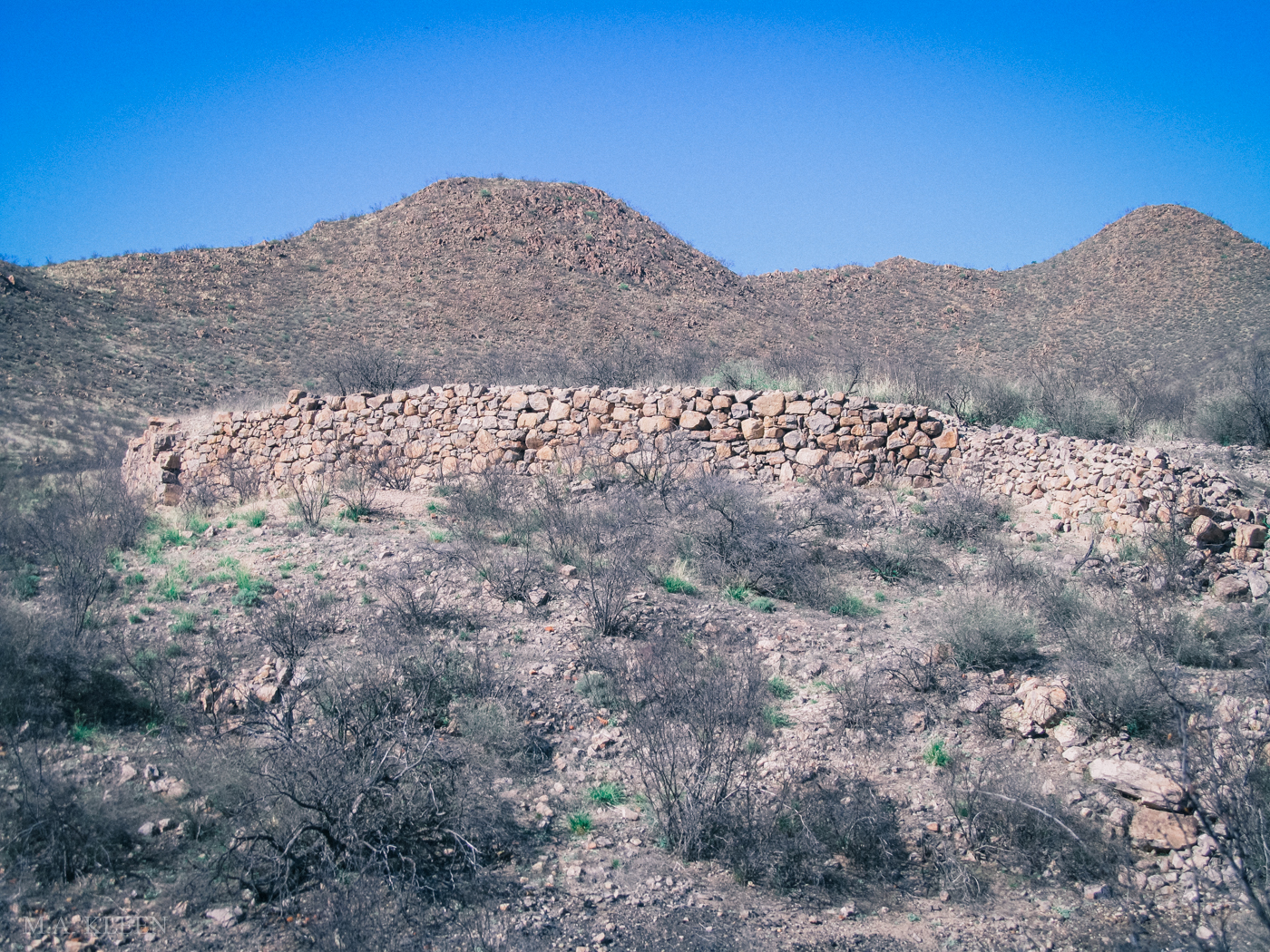
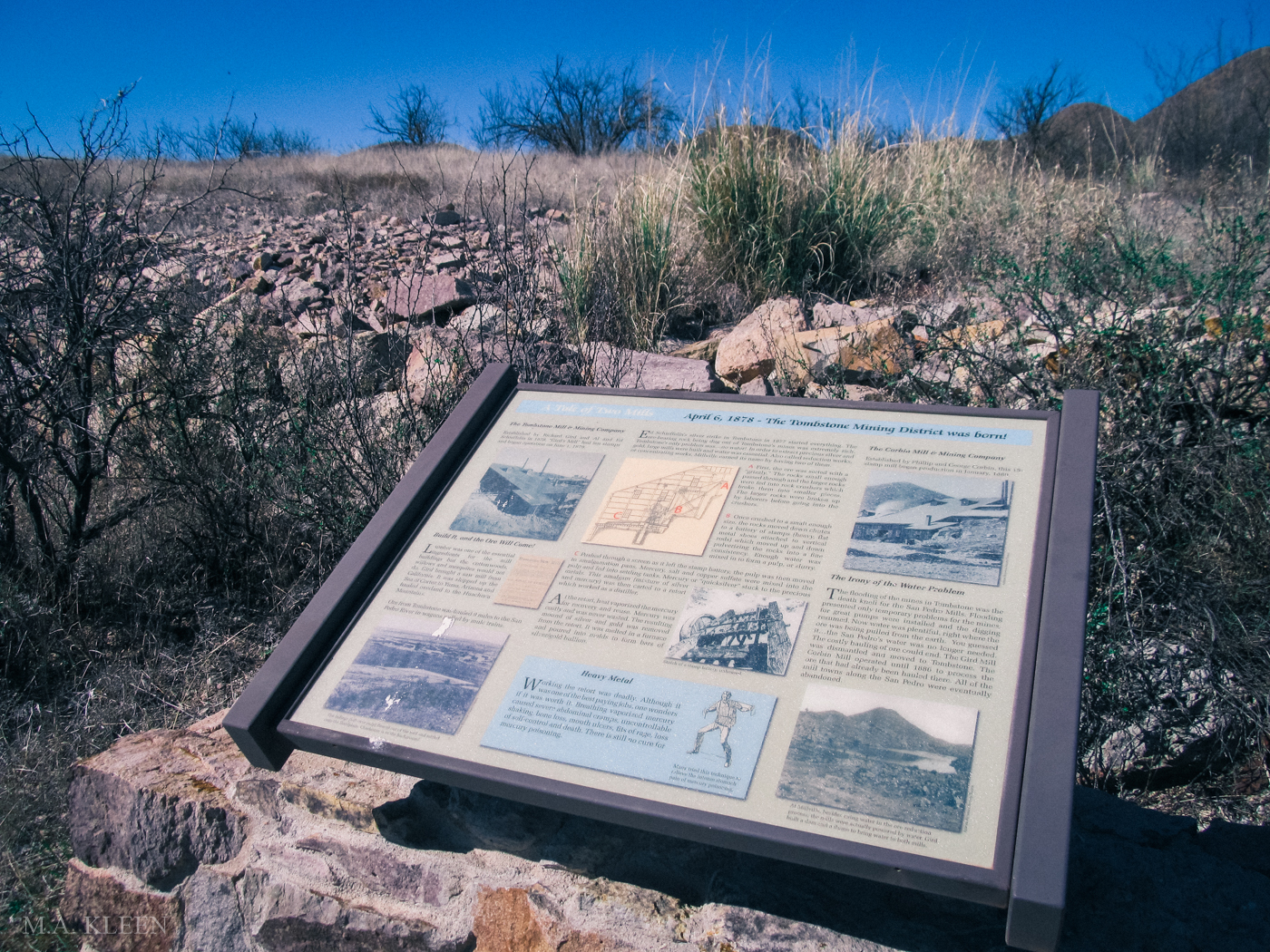
The Tombstone Mill and Mining Company owned one of these mills and the Corbin Mill and Mining Company owned the other.
The mills processed silver ore from the mines around Tombstone, and from 1881 to 1882 processed almost $1.4 million in silver.
When the mines dried up, the people moved on. During WW2, the 93rd Infantry Division, which was stationed at Fort Huachuca, used the ruins of Charleston as a training ground nick-named “Little Tunisia.”
They used live ammunition during many of the exercises, which heavily damaged the adobe buildings. Erosion from the San Pedro River causes more damage, until very little remained of the once thriving community.
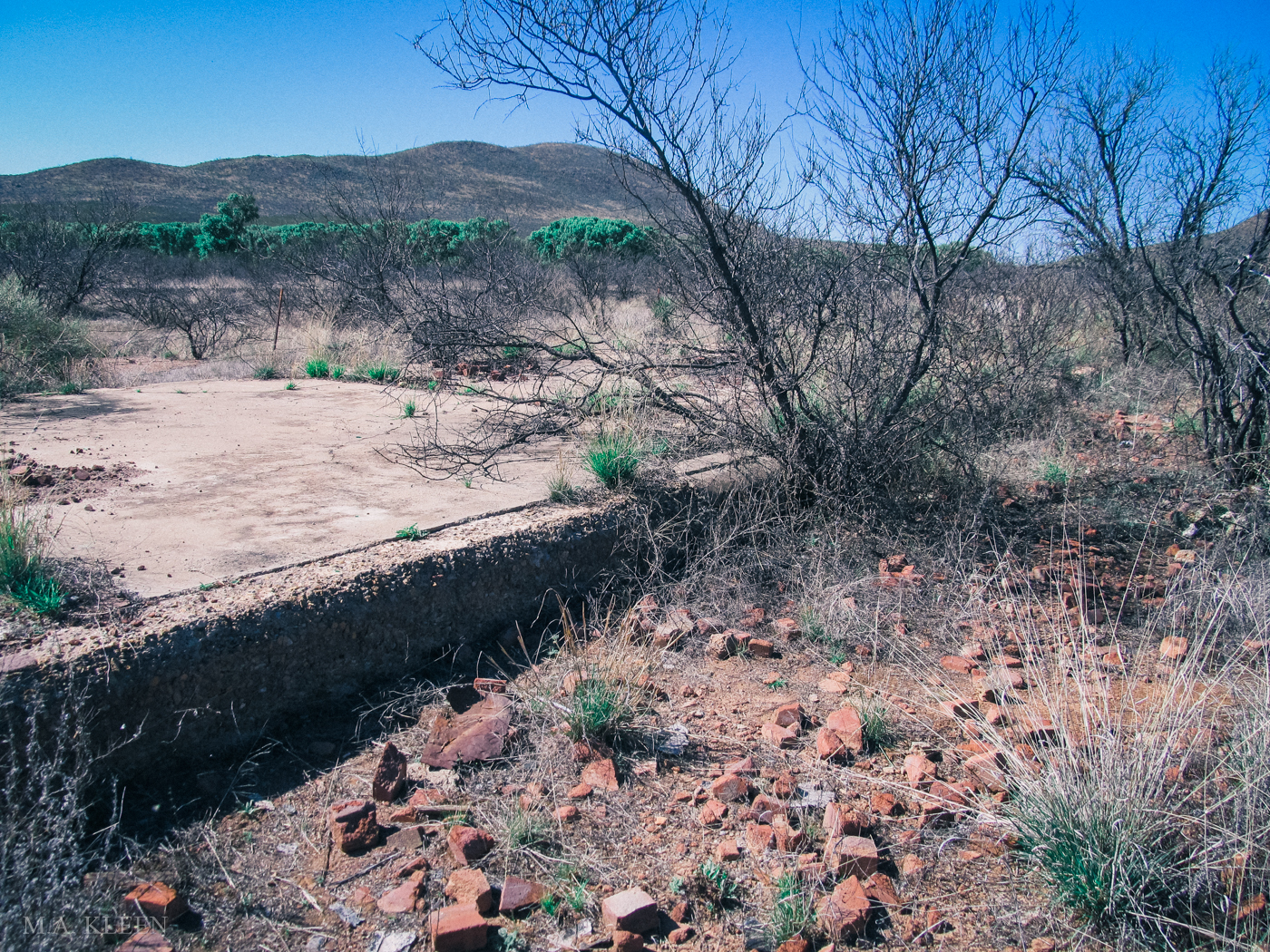
Today, most of Charleston is gone and only a few stone walls remain of Millville. The site is part of the San Pedro Riparian National Conservation Area and accessible down a long and winding trail. In addition to a few scattered remains, visitors can expect to find beautiful scenery, including ancient petroglyphs and lush trees along the river.


 M.A. Kleen
What are your thoughts?