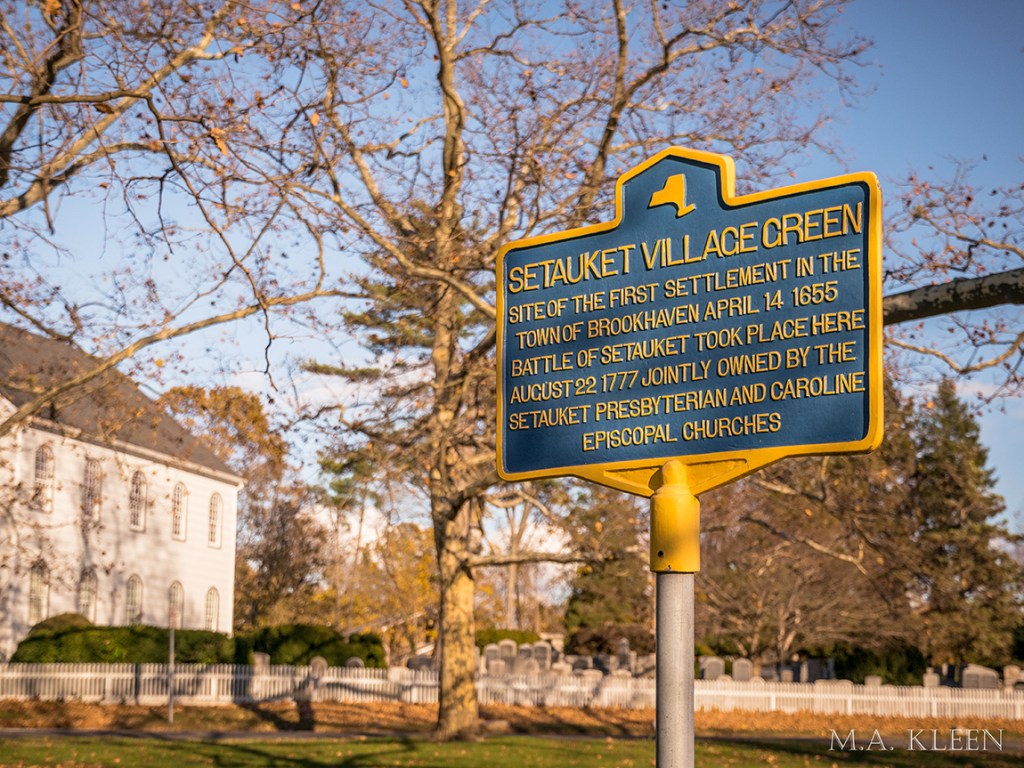
Step back in time to Revolutionary War-era Long Island, where daring midnight raids, fierce skirmishes, and monumental battles unfolded in the heart of tranquil villages and scenic parks. Discover the hidden stories behind these historic sites and how you can walk in the footsteps of America’s first heroes today.
Long Island, New York, might bring to mind beaches and bustling suburbs, but beneath its modern façade lies a rich Revolutionary War history. Its tranquil communities, parks, and historic sites were once the backdrop to battles that helped shape the United States. For history enthusiasts and curious travelers alike, exploring these battlefields provides a unique opportunity to connect with America’s past while enjoying the scenic beauty of the island.
During the Revolutionary War, Long Island’s location made it a strategic hotspot. British forces used it as a base to resupply troops and launch raids, while American Patriots engaged in daring attacks to disrupt their plans. From the bustling harbor at Sag to the rolling hills of Brooklyn Heights, the island witnessed skirmishes, sieges, and raids that showcased the resourcefulness and resilience of the American cause.
Today, remnants of these battles remain, woven into the fabric of Long Island communities. Sites like Sag Harbor, Setauket, Fort Salonga, and Brooklyn’s Prospect Park serve as gateways to the past, inviting visitors to walk in the footsteps of Revolutionary War soldiers.
The Battle of Sag Harbor: A Midnight Raid
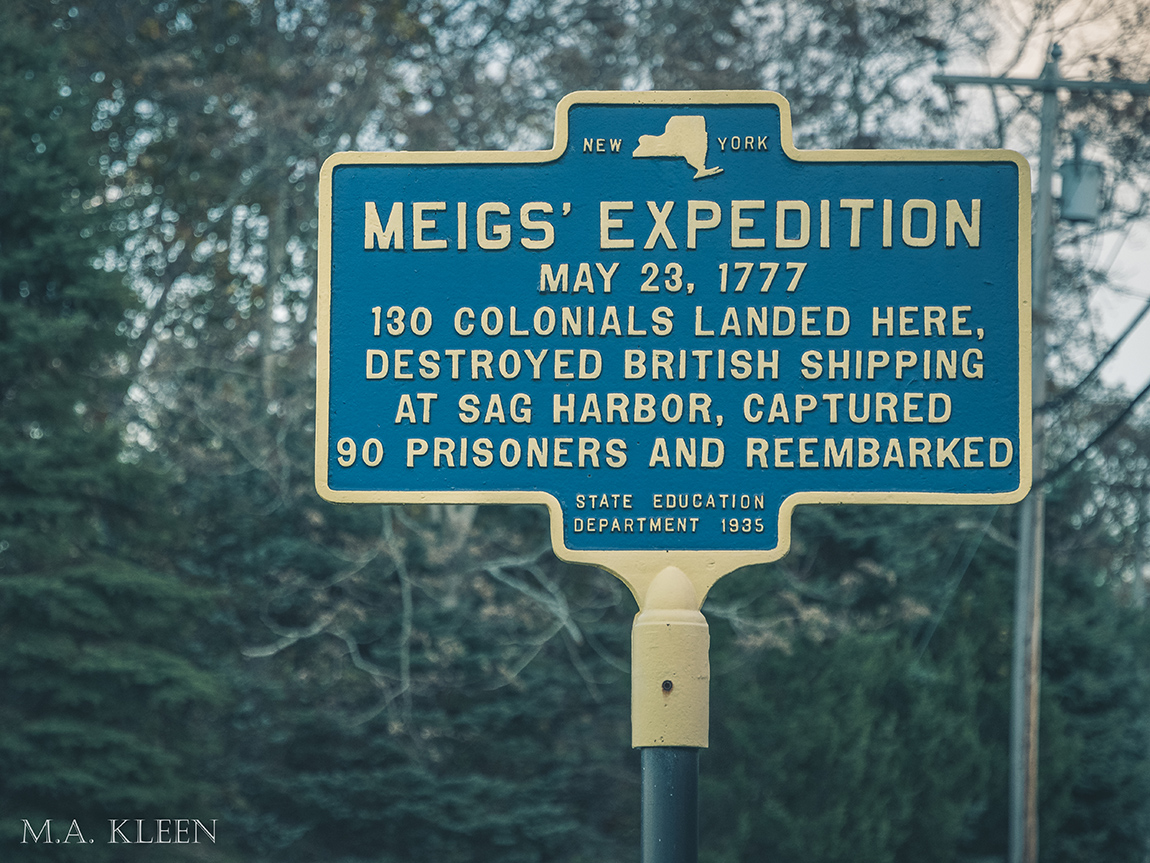
Let’s begin in Sag Harbor, a picturesque village that was once a vital British port during the war. In May 1777, American Colonel Return Jonathan Meigs led 170 Patriots in a daring midnight raid against a British Loyalist garrison stationed at a fortified palisade on Meeting House Hill. Armed with bayonets and unyielding determination, the Patriots destroyed British ships and supplies, captured 90 men, and returned to Connecticut without a single casualty.
Although the original fortifications are long gone, Sag Harbor retains its Revolutionary spirit. The Old Whalers Church, built in 1844, stands near the battle site and serves as a National Historic Landmark. Nearby, a small plaque commemorates Meigs’ Raid at the traffic circle of Noyack and Noyack-Long Beach roads. The charm of Sag Harbor makes it easy to imagine the quiet courage of Meigs’ men as they landed under the cover of darkness.
The Battle of Setauket: Defiance and Retreat
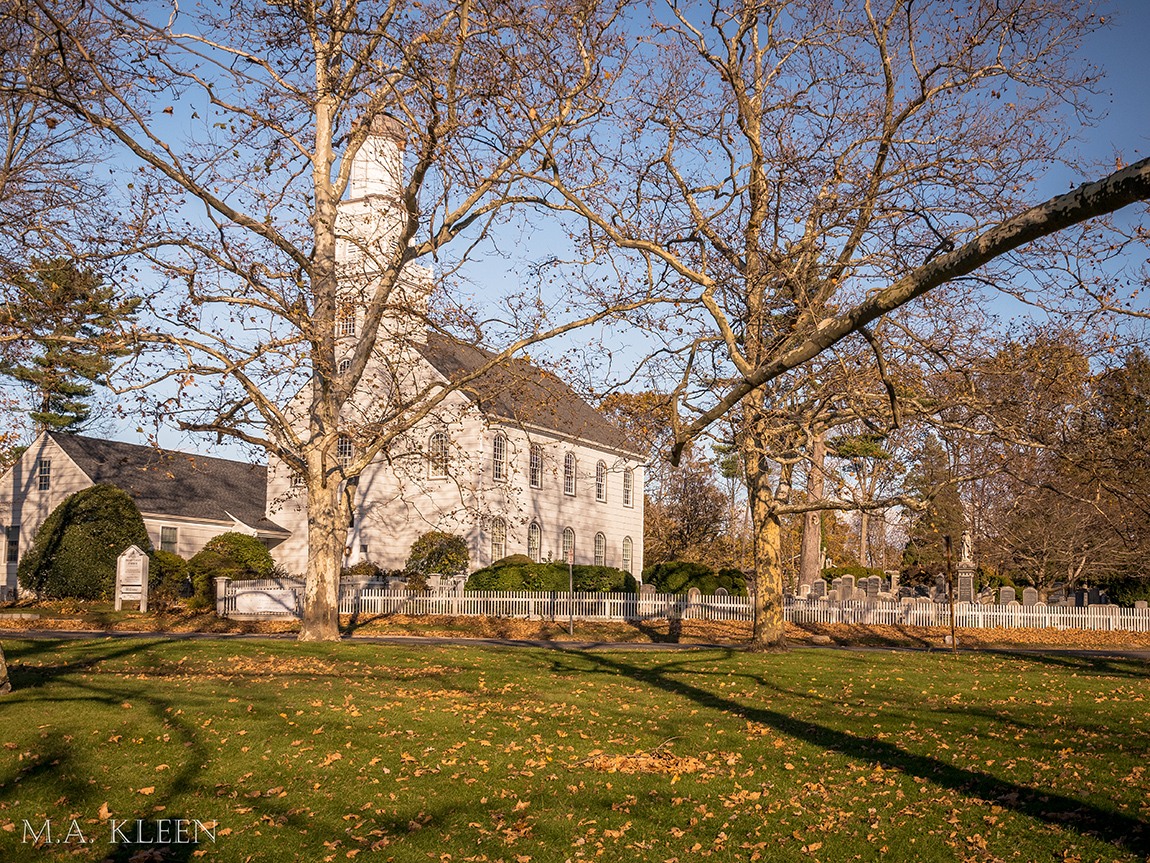
Not far from Sag Harbor, the village of Setauket witnessed another clash in August 1777. British Loyalist Lt. Col. Richard Hewlett fortified a Presbyterian church, transforming it into a military stronghold with breastworks and swivel guns. American Brig. Gen. Samuel Holden Parsons, leading a force of 500 men, crossed Long Island Sound to confront Hewlett and his 260 defenders.
The ensuing skirmish was fierce but ultimately inconclusive. Parsons’ small cannons could not breach the fortifications, and fearing British reinforcements, he withdrew. Today, visitors can explore the Setauket Village Green and Patriot’s Rock, where Parsons’ men took cover during the battle. The large boulder, now marked by a plaque, offers a tangible connection to the soldiers’ experience.
Setauket, with its historic charm and connections to the TV series Turn: Washington’s Spies, offers more than just history. It’s a serene place for reflection and a chance to imagine the determination of Patriots facing overwhelming odds.
Fort Slongo: A Swift and Silent Victory
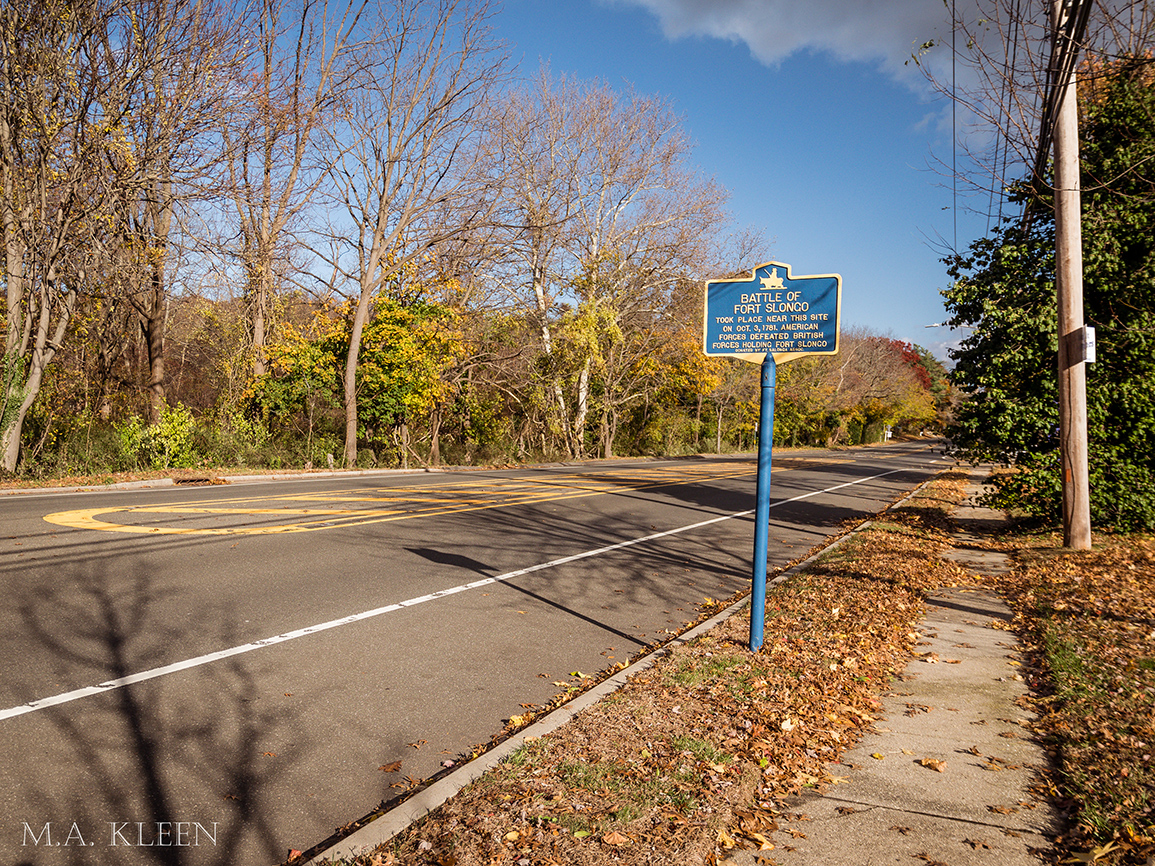
Fast forward to October 1781, when Patriot forces under Maj. Benjamin Tallmadge launched a predawn attack on Fort Slongo in modern-day Fort Salonga. The small garrison, lightly manned in the absence of its commander, fell quickly to Tallmadge’s 100 men. The Patriots captured 21 soldiers, a brass cannon, and vital supplies, sustaining only one casualty.
Fort Slongo’s history is subtly commemorated by a small sign on Fort Salonga Road, near a shopping center. The site may lack grand monuments, but its story is no less compelling. The success of the raid earned Sgt. Elijah Churchill the first Badge of Military Merit, the precursor to the Purple Heart, personally awarded by George Washington.
Walking through the woods near the site, you can almost hear the whispered commands and feel the urgency of the Patriots as they carried out their mission. Fort Slongo reminds us that even small victories can have a lasting impact.
The Battle of Long Island: A City’s Siege
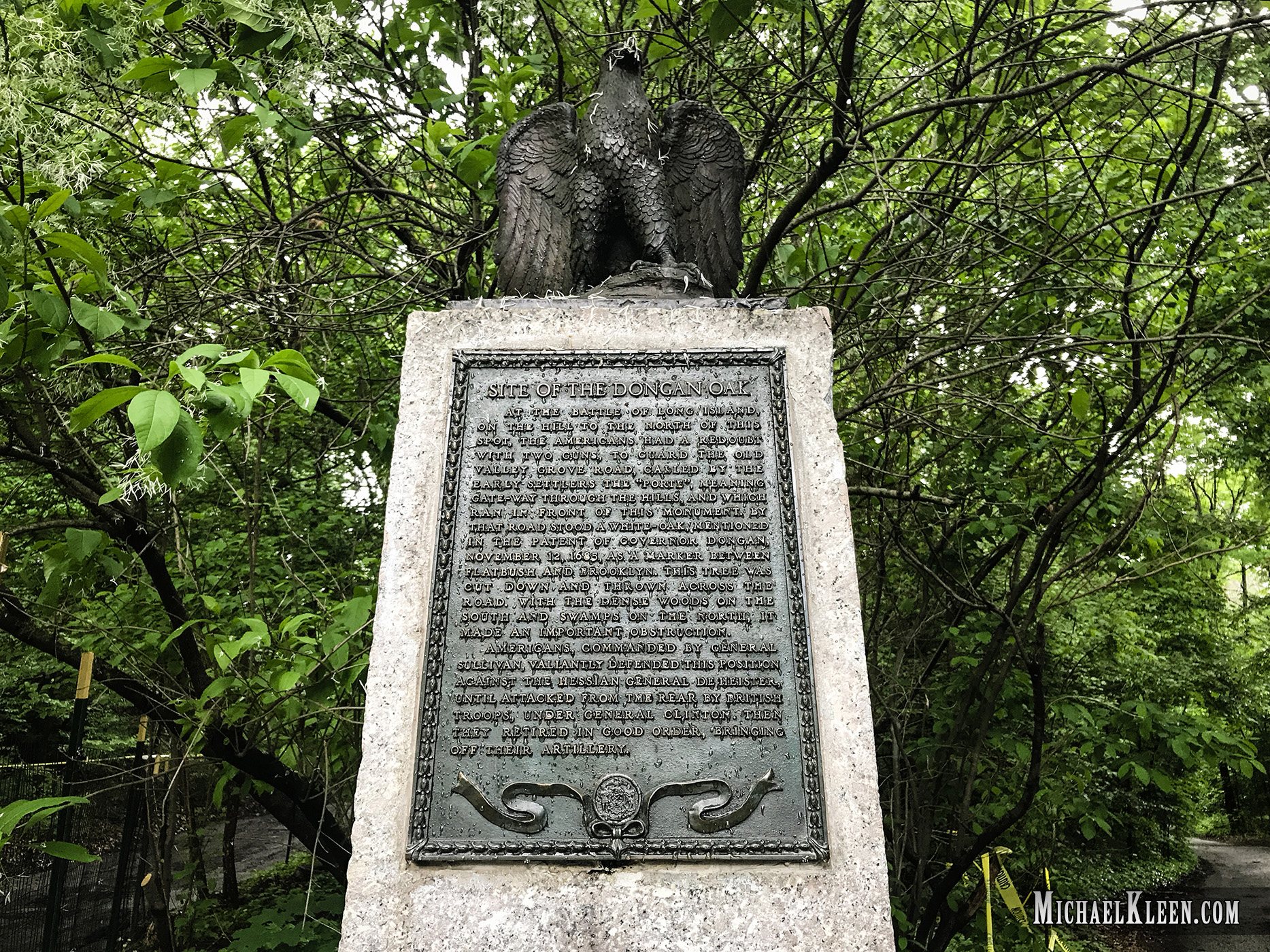
In Brooklyn, the Battle of Long Island (also known as the Battle of Brooklyn) was a pivotal engagement and the largest battle of the Revolutionary War. Fought on August 27, 1776, it marked the first major conflict after the Declaration of Independence. British Generals William Howe and Charles Cornwallis led 20,000 troops against George Washington’s 10,000 Continental soldiers.
Despite their bravery, the American forces were outflanked and forced to retreat to Brooklyn Heights. The evacuation across the East River, under cover of night and fog, is often hailed as one of Washington’s greatest strategic moves, preserving the Continental Army for future battles.
Today, much of the battlefield lies within Prospect Park, a green oasis designed by Frederick Law Olmsted and Calvert Vaux. Key sites like Battle Pass and Battle Hill are marked by plaques and monuments, offering visitors a chance to explore while enjoying the park’s natural beauty. Nearby, Green-Wood Cemetery also preserves parts of the battlefield, including a memorial on Battle Hill.
Walking through these locations, it’s easy to feel the weight of history and imagine the determination of those who fought for freedom against overwhelming odds.
Preserving the Legacy
Preservation efforts across Long Island ensure that these battlefields remain accessible for future generations. Local organizations, such as historical societies and chapters of the Daughters of the American Revolution, play a crucial role in maintaining markers, plaques, and small museums.
Some sites, like the Old Whalers Church in Sag Harbor and Setauket’s Patriot Rock, retain their historic authenticity. Others, such as Fort Slongo, are understated reminders of battles fought in forgotten corners. Meanwhile, Prospect Park thrives as a dynamic urban space that balances historical commemoration with modern recreation.
Exploring these sites is more than just a history lesson. It’s an opportunity to stand on the ground where ordinary people performed extraordinary acts of courage, shaping the future of a nation.
Travel Tips for History Buffs
Visiting Long Island’s Revolutionary War battlefields is as much about the journey as the destination. The island offers a variety of experiences, from the quaint charm of Sag Harbor to the urban vibrancy of Brooklyn. Here are some tips for planning your trip:
- Timing is Everything: Visit in spring or fall for mild weather and stunning foliage.
- Parking and Access: Many sites, like Patriot’s Rock and Prospect Park, have nearby parking or are accessible by public transportation.
- Combine with Local Attractions: Pair your visit with nearby museums, beaches, or restaurants for a full-day adventure.
- Walk the Trails: Bring comfortable shoes to explore the walking paths and historic grounds.
Long Island’s Revolutionary War battlefields are more than historic sites—they’re stories of resilience, strategy, and sacrifice. From the surprise raid at Sag Harbor to the defiant stand at Setauket, the swift victory at Fort Slongo, and the monumental battle in Brooklyn, these locations invite us to explore the complexities of the fight for independence.
Whether you’re a seasoned historian or a curious traveler, Long Island’s landscapes offer a journey through time, where the past comes alive in the present. So grab your map, lace up your walking shoes, and embark on a Revolutionary adventure—Long Island awaits.


What are your thoughts?