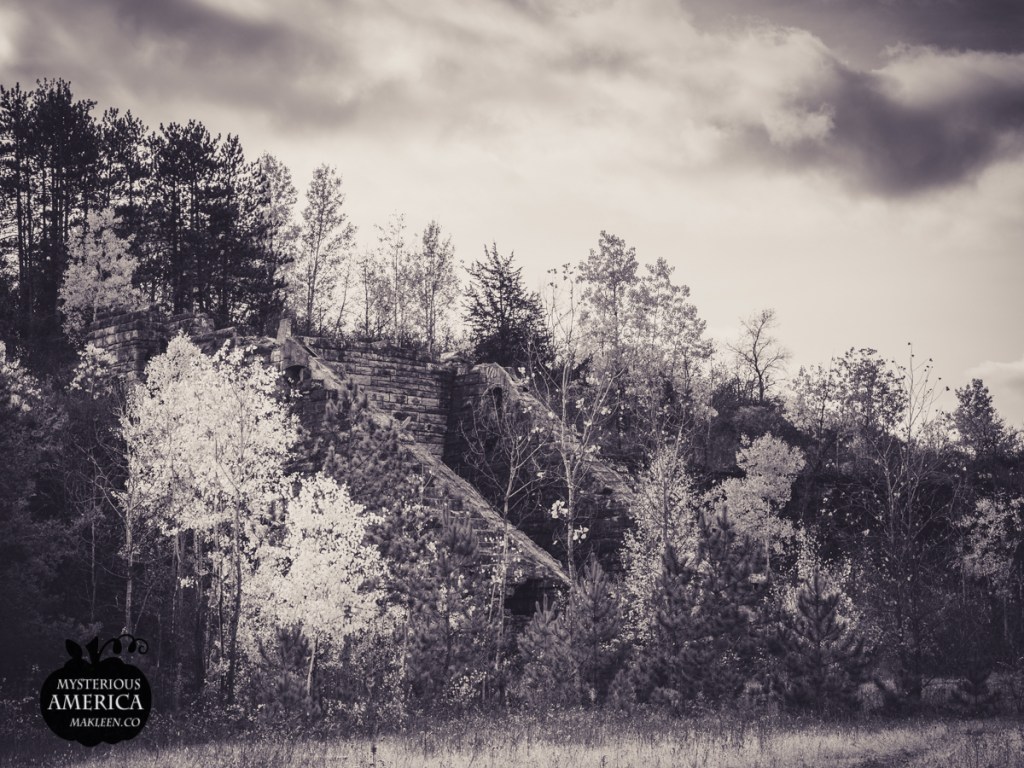
The site of a tragic and deadly accident at a quarry in central New York has become a popular destination for legend trippers and outdoor enthusiasts.
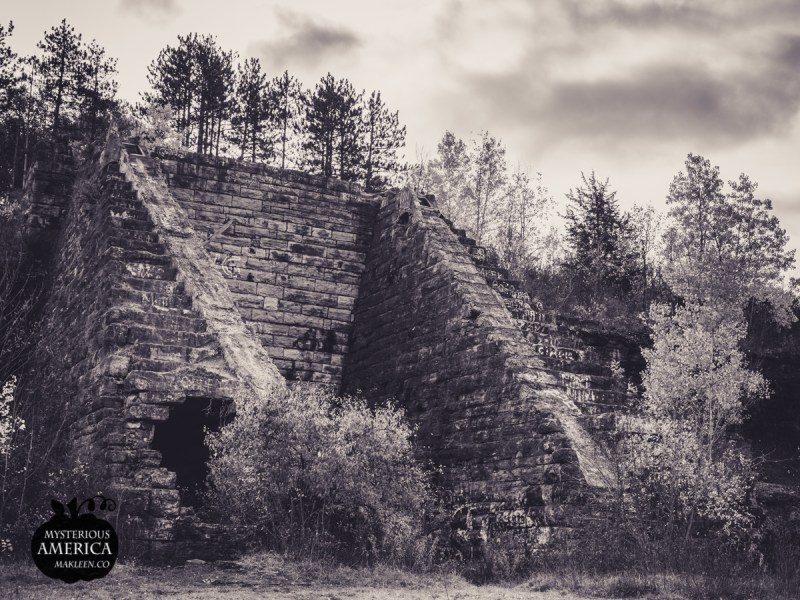
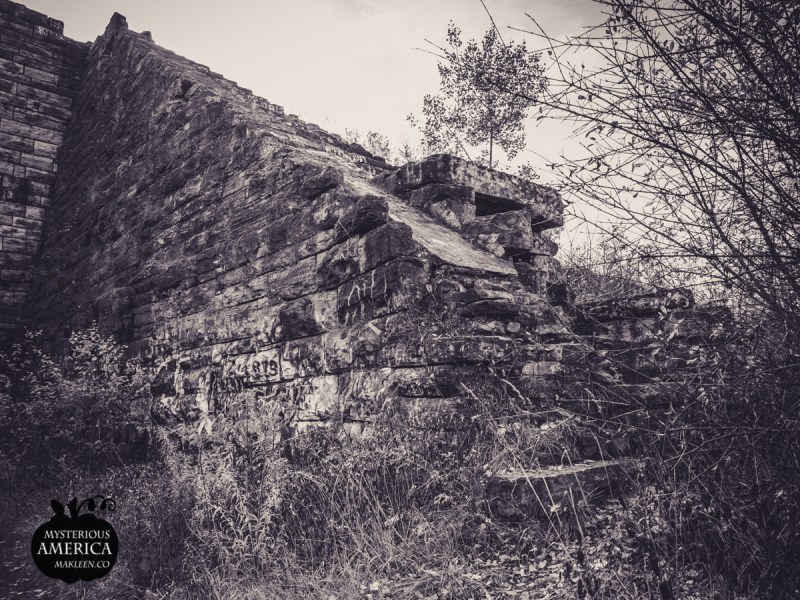
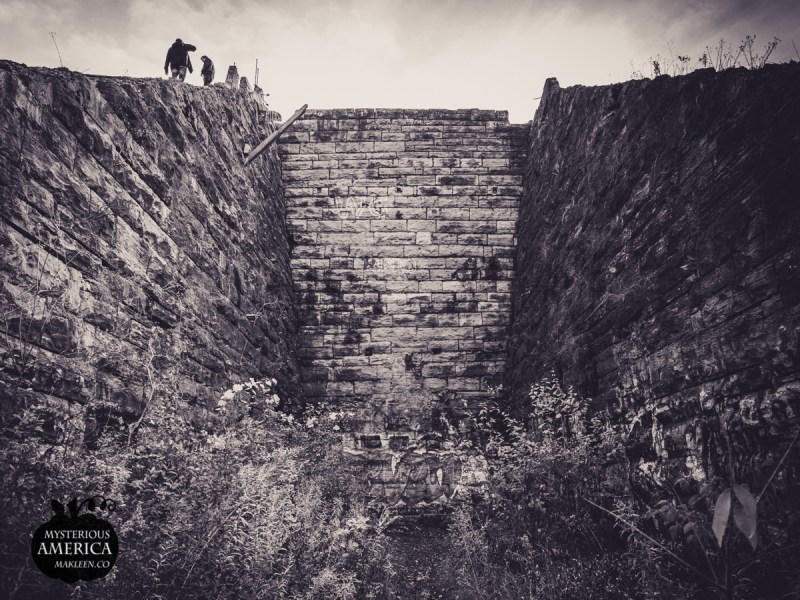
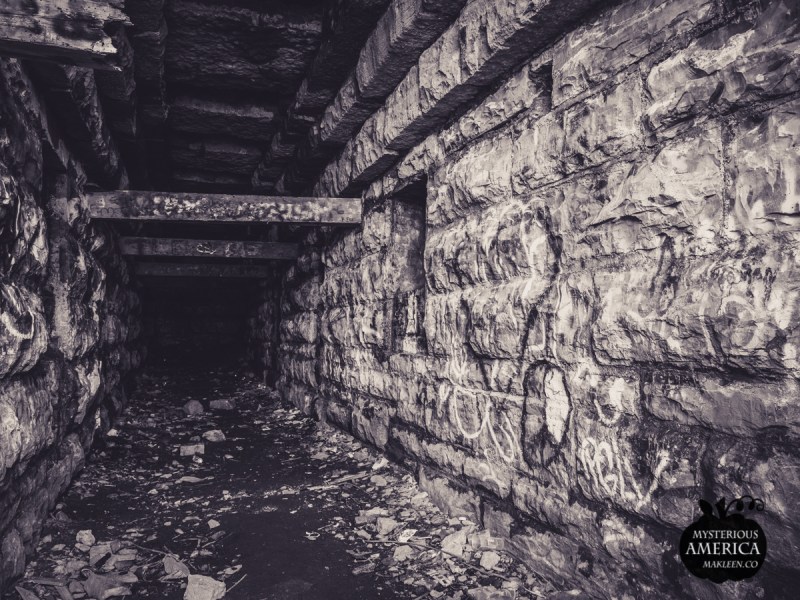
- The Solvay Process Company built Split Rock Quarry to mine limestone west of Syracuse in the 1880s.
- A massive explosion at the quarry in 1918 killed upwards of 50 workers.
- Since the accident, some visitors have reported strange encounters in the abandoned quarry at night.
On July 2, 1918, a terrible explosion at a munitions factory outside Syracuse, New York, claimed the lives of more than 50 workers and injured dozens more. Fifteen men were burned beyond recognition, and more than 20 were reported missing and presumed dead. Today, Split Rock Quarry is largely abandoned, left to hikers, urban explorers, curiosity seekers, and partiers.
Evidence of late-night excursions abounds, and some nocturnal visitors have returned with stories of strange sights and sounds around the old rock crusher. Dark, graffiti-covered tunnels stir the imagination. This sinister reputation led the site to be featured on the Travel Channel’s Destination Fear in October 2012.
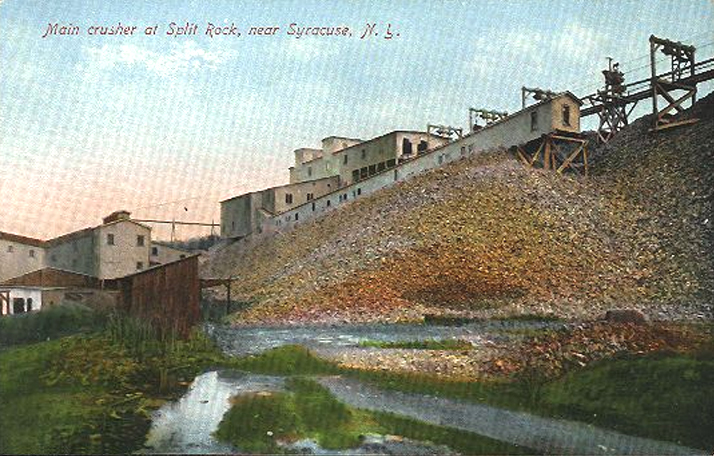
Split Rock Quarry was originally built by the Solvay Process Company, founded in 1880 by Belgian chemists Ernest and Alfred Solvay, American engineer William B. Cogswell, and businessman Rowland Hazard II. The company manufactured soda ash, or sodium carbonate, through the Solvay process, which combines salt brine and limestone. That limestone was quarried at Split Rock near Onondaga, New York, then pulverized in a giant rock crusher.
The Solvay Process Company was absorbed by Allied Chemical and Dye Corporation in 1920, but remained a major employer in central New York until operations ceased in 1985. During World War I, the company manufactured TNT for U.S. government munitions.
At 8:40 p.m. on July 2, 1918, a fire broke out at the munitions plant near Split Rock Quarry. Employees tried to contain the blaze, but around 9:30 p.m., a massive explosion ripped through the plant, throwing grown men like rag dolls hundreds of feet in every direction. The blast and fireball could be seen for miles.
The next day, workers pulled charred remains from the ruins. In addition to the lives lost, the explosion caused approximately $1 million in property damage, but the company vowed to rebuild and continue producing munitions for the war effort.
The fire is believed to have started in the nitrofier in Plant No. 1, which contained 2,200 pounds of toluol. Toluol is a colorless, water-insoluble liquid used as an industrial solvent and chemical feedstock, while a nitrofier combines chemicals with nitrogen compounds during the TNT manufacturing process. The first step in producing TNT involves nitrating toluene with sulfuric and nitric acid to create mononitrotoluene (MNT). At some point in the process, the volatile mixture overheated and ignited.
Burton J. Hall, who was working in Plant No. 1 when the fire broke out, later told a local newspaper: “There were but two nitrofiers in this building. I was working 2,200 pounds in my nitrofier. It was in the first stage. There was but one other nitrofier in the plant and the toluol there had not reached the stage where it would explode. At 8:40, while I was at my place taking the temperature somebody shouted: ‘Get out [of here].’ Black smoke was then coming from the opening from downstairs… We were on the top floor of No. 1 and made a rush out.”

Hey, Sleuthhounds!
Teach your friends responsible exploration, photography ethics, and site preservation while discussing the dangers of abandoned industrial locations.
Mrs. Nellie Martin was standing at her kitchen window when the fire broke out. Believing the workers had brought the blaze under control, she later headed to bed. She told a newspaper, “I was leaning over the stove. Suddenly there was a great flash of light, for all the world like lightning right in front of me. It seemed just in front of me. That was all I knew, but it was terrible, that awful light. I wasn’t burned. The force of the explosion threw me backward.”
Since its closure, visitors to the abandoned quarry have reported strange encounters after dark, and the site has become a popular destination for paranormal investigators. Witnesses have described unexplained lights and glowing green and yellow apparitions moving through the ruins. In 2009, a group called the Ghost Finders Association of Central New York claimed to have captured photographic evidence of the haunting.
The Syracuse Post-Standard reported, “Corey Vander Sluis of Onondaga, a co-founder of the group, says the photo at the top of this story shows a free-floating white apparition to the left of co-founder Stephan Morasco, whose back is to the camera.” Morasco had asked a teammate to take the picture after feeling “tingling and numbness.” Another photo appeared to show a glowing streak emanating from a team member’s wrist just after his wristband “snapped” of its own accord.
Even without these stories, Split Rock Quarry is a fascinating place to visit. In its quiet setting, it is easy to forget the tragedy that occurred there more than a century ago. Though many visitors have left garbage and graffiti behind, we encourage our readers to be respectful. This was, after all, the final resting place of more than 50 men. Though they were not killed in battle, their service to this country should not be forgotten.
Donate
Enjoy what you read? Please consider making a one-time donation to support my research.
Enjoy what you read? Please consider making a monthly donation to support my research.
Enjoy what you read? Please consider making a yearly donation to support my research.
Choose an amount
Or enter a custom amount
Your contribution is appreciated.
Your contribution is appreciated.
Your contribution is appreciated.


What are your thoughts?