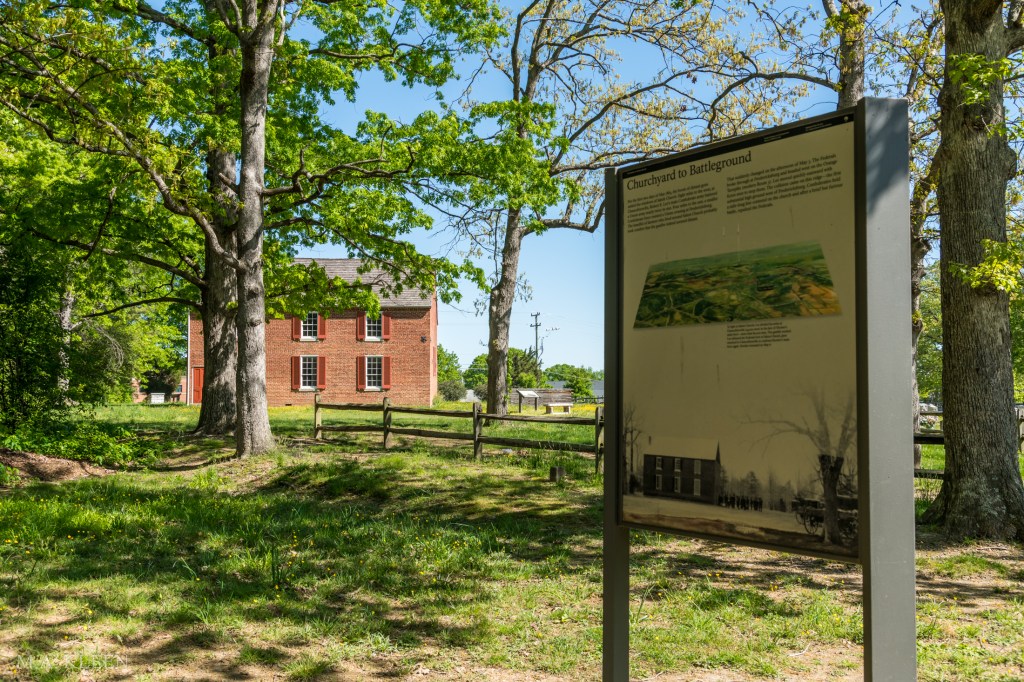
Just beyond the traffic and storefronts of modern Fredericksburg, Salem Church stands as a silent witness to a brutal Civil War clash, offering curious travelers a rare glimpse into a battlefield hidden in plain sight.
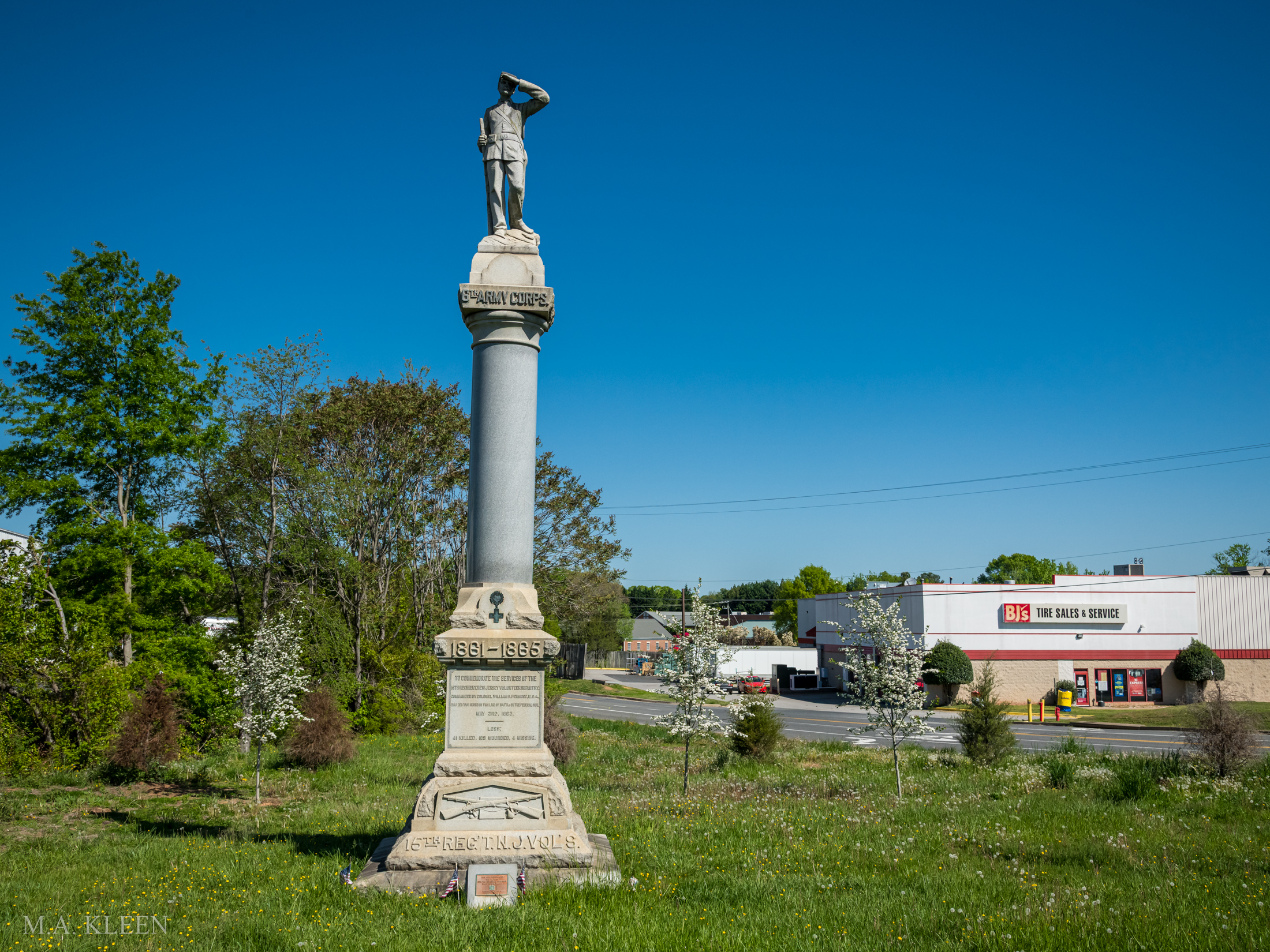
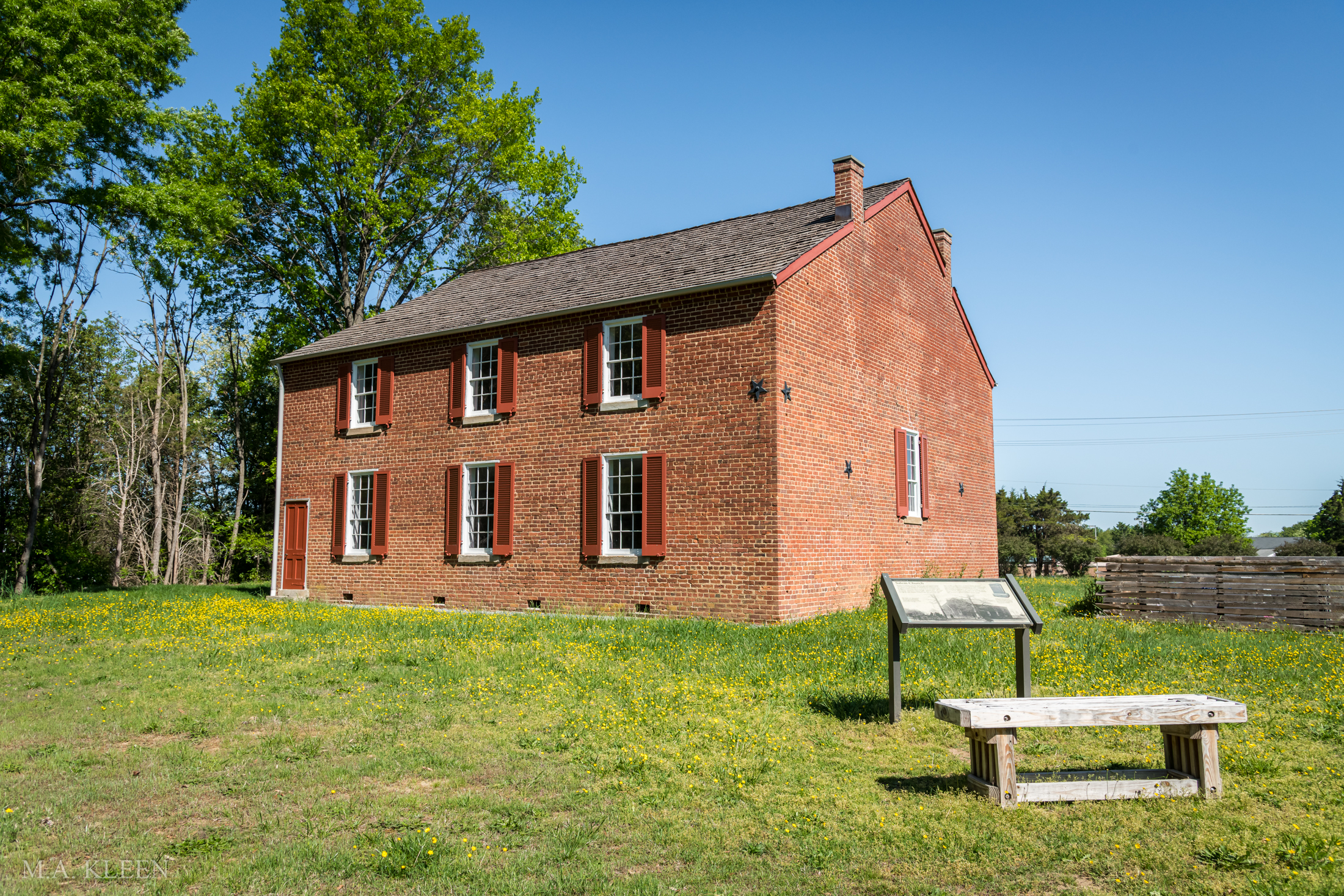
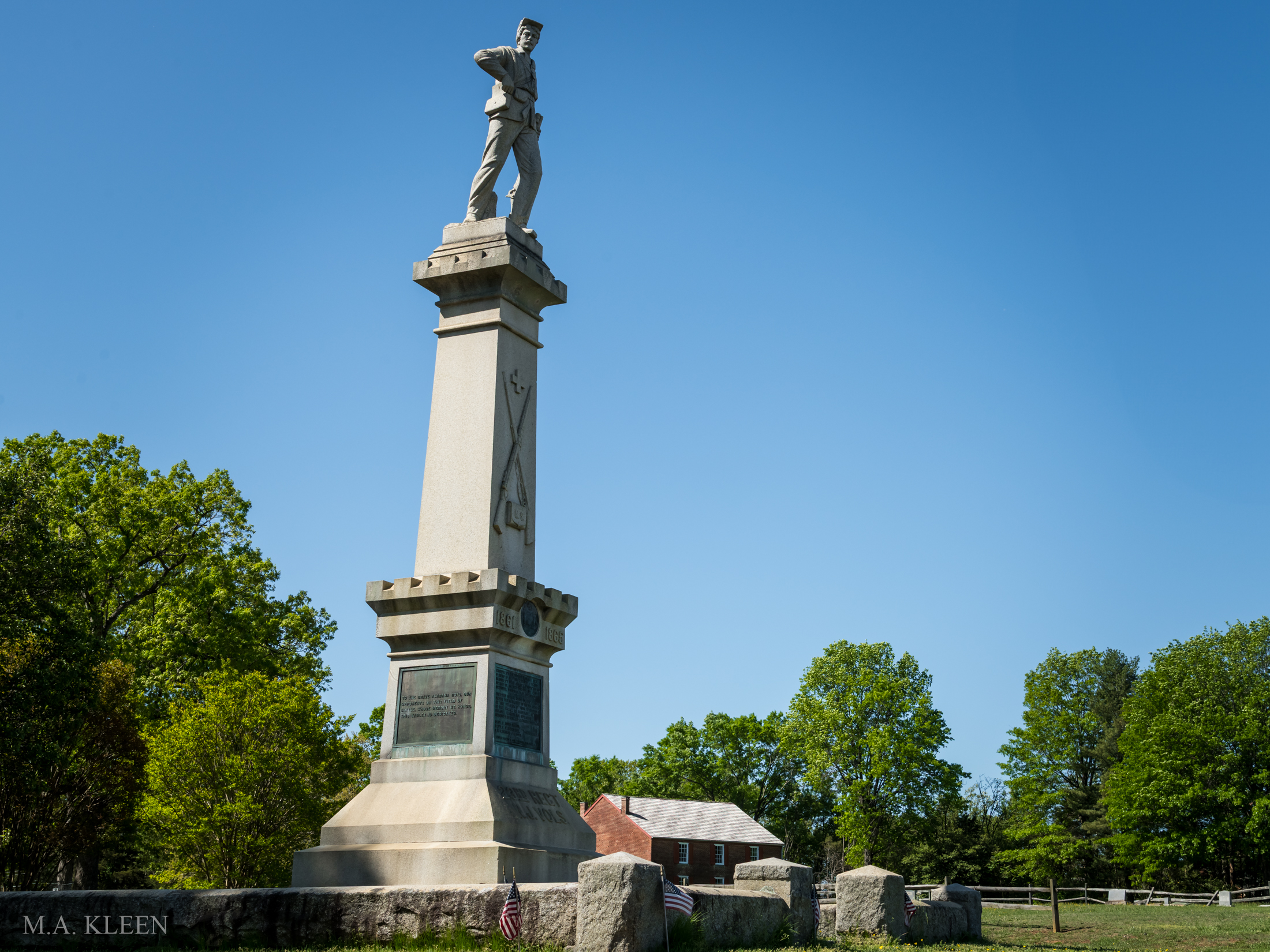
Nestled inconspicuously amid shopping centers and bumper-to-bumper traffic just west of downtown Fredericksburg, the Salem Church Battlefield is one of the Civil War’s most overlooked but evocative sites. On May 3–4, 1863, the red brick church and surrounding ridgelines became the scene of bitter fighting during the final phase of the Chancellorsville Campaign.
It was here that Union forces, attempting to retreat and regroup, clashed with Confederate defenders in a struggle that dashed their hopes of relieving pressure on their main army across the Rappahannock River.
After a dramatic flanking maneuver bought hard-won Confederate victory at Chancellorsville, Union General John Sedgwick and the VI Corps were ordered to threaten the Confederate rear by seizing Fredericksburg and advancing west toward General Robert E. Lee’s army.
On May 3, Sedgwick captured Marye’s Heights but encountered stiff resistance when pushing toward Lee. By late afternoon, Sedgwick’s column ran into Confederate General Jubal Early’s hastily positioned defenders around Salem Church, a small brick structure sitting atop high ground along the Orange Plank Road.
The battle was fierce and chaotic. Union troops launched repeated assaults on the Confederate line but were driven back with heavy losses. Nightfall brought a pause, and Sedgwick, realizing his position was untenable, began a slow withdrawal back toward the Rappahannock. By the end of May 4, the Union effort to strike Lee’s flank had collapsed. The fight at Salem Church cost more than 4,000 casualties, yet it remains a footnote in the larger story of Chancellorsville.
Visiting the site today, it’s easy to miss the battlefield if you don’t know what you’re looking for. Strip malls and suburban sprawl now surround the area, and yet Salem Church itself remains, still standing on its ridge like a silent witness to the past.
The building, used as a field hospital during and after the battle, bears scars from the conflict. Although the church is not always open to the public, the grounds are accessible, and several well-placed interpretive signs tell the story of the fighting that once raged around this otherwise quiet hilltop.
On a recent visit, I parked just across the street and walked over as a late afternoon breeze rustled the trees behind the church. The noise of nearby Route 3 fades as you stand on the lawn and look toward the ridgeline where Confederate lines once formed.
It’s humbling, and oddly moving, to imagine lines of blue and gray soldiers colliding in the open fields that have since been paved over. The sense of history is still there, just beneath the surface, waiting for those who take the time to find it.
For anyone exploring Fredericksburg’s extensive Civil War history, Salem Church is a must-see, especially for travelers interested in the lesser-known stories that shaped major campaigns. Though it lacks the grandeur of nearby national parks, its authenticity and setting offer something rare: a battlefield preserved amid modern life, where the past and present truly coexist.

 M.A. Kleen
What are your thoughts?