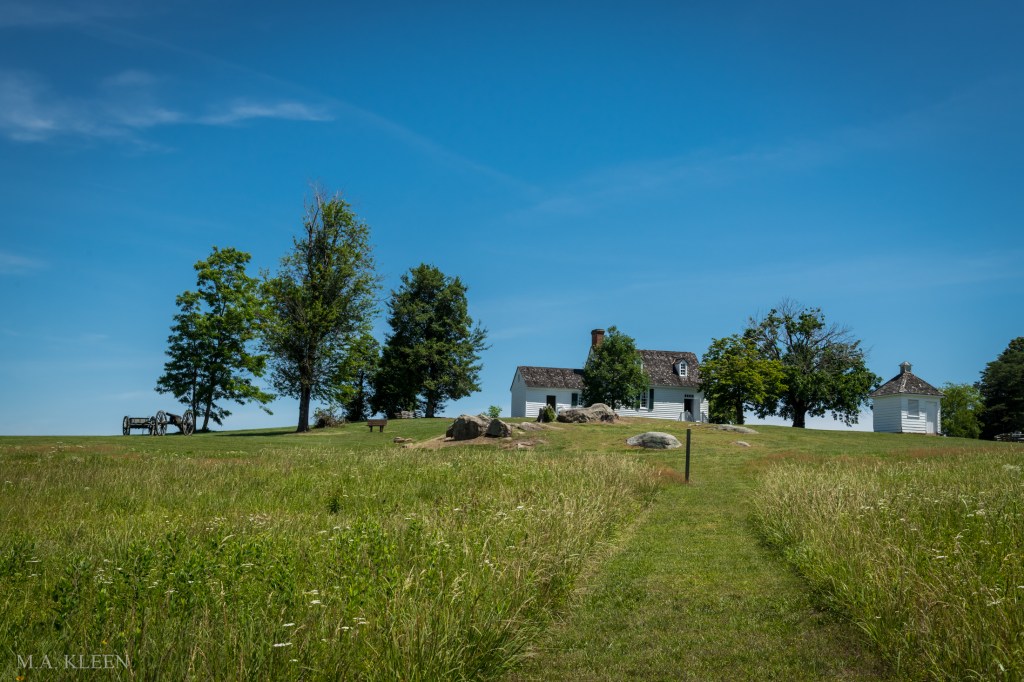
Wander the peaceful fields where the Confederate army crumbled just days before surrender, and explore a battlefield park rich in history, trails, and serene views.
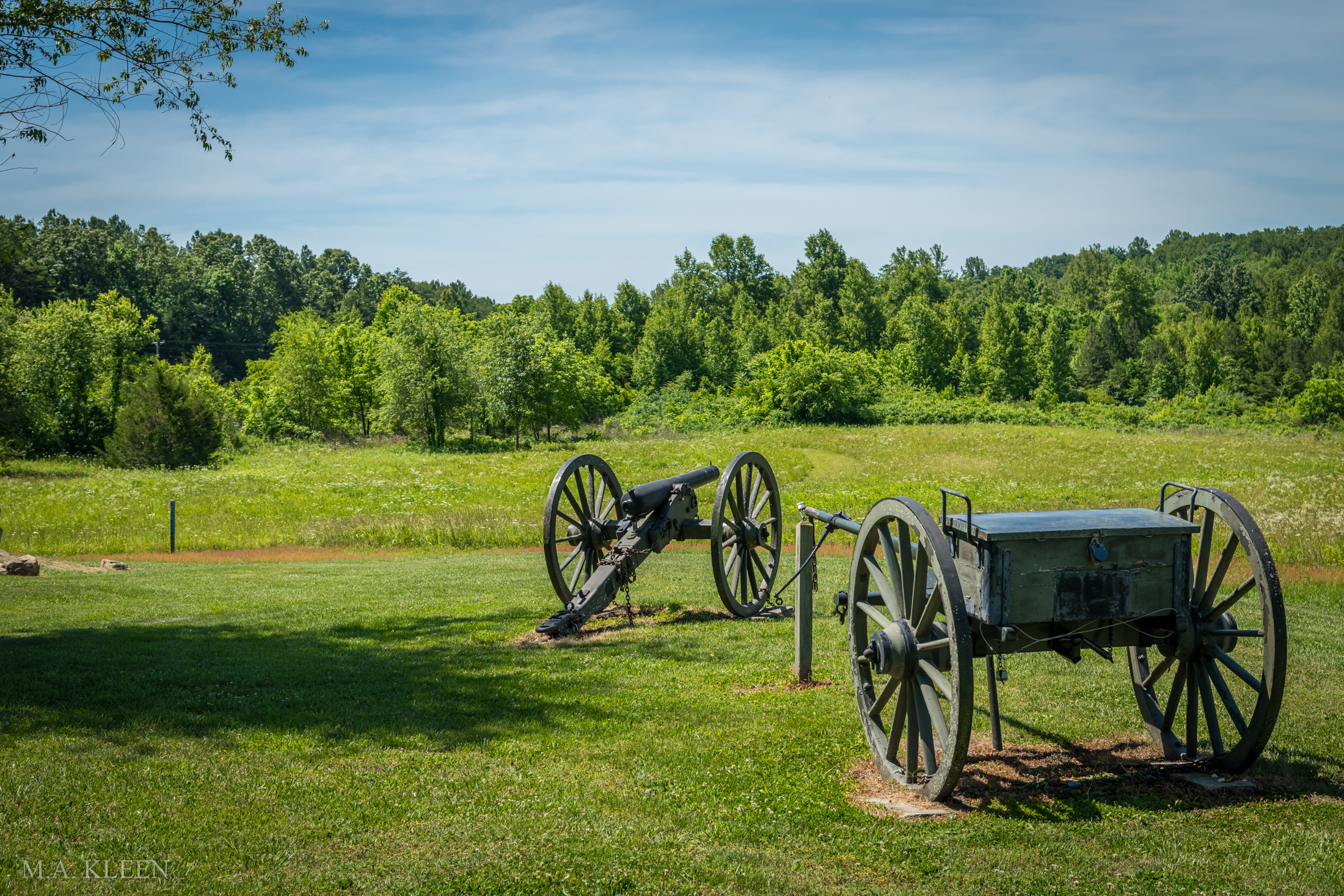
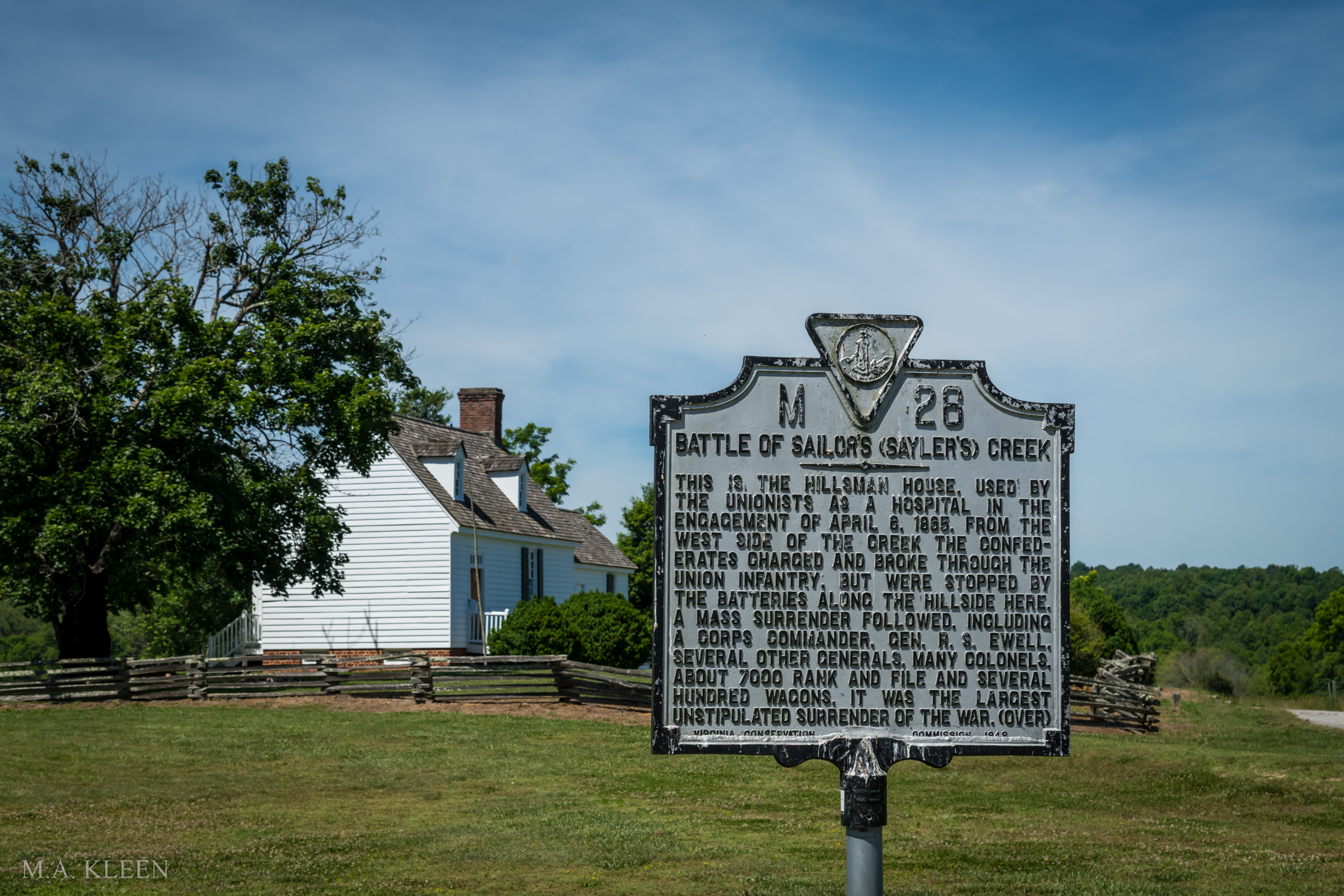
In the hills between Farmville and Appomattox in Amelia County, Virginia, Sailor’s Creek Battlefield marks one of the final, and arguably most decisive, clashes of the Civil War. On April 6, 1865, just 72 hours before General Robert E. Lee’s surrender at Appomattox Court House, Union forces under Sheridan and Wright intercepted the fragmented Confederate Army of Northern Virginia along the creek.
With their commanders (including Lieutenant General Richard S. Ewell) trapped and overwhelmed, roughly 7,700 Confederates were killed, wounded, or captured, amounting to nearly a quarter of their remaining strength. Observing the disaster, Lee famously lamented, “My God, has the army dissolved?”
The battlefield’s story began long before that fateful day. In the late 18th century, Moses Overton built a farmhouse overlooking Little Sailor’s Creek that later became known as the Overton-Hillsman House. During the battle, the structure served as a makeshift field hospital, treating hundreds of Union and Confederate wounded alike. In 1937, Virginia appropriated funds to purchase the farmhouse and adjacent acreage, and by 1985 the battlefield had been recognized as a National Historic Landmark and added to the National Register of Historic Places.
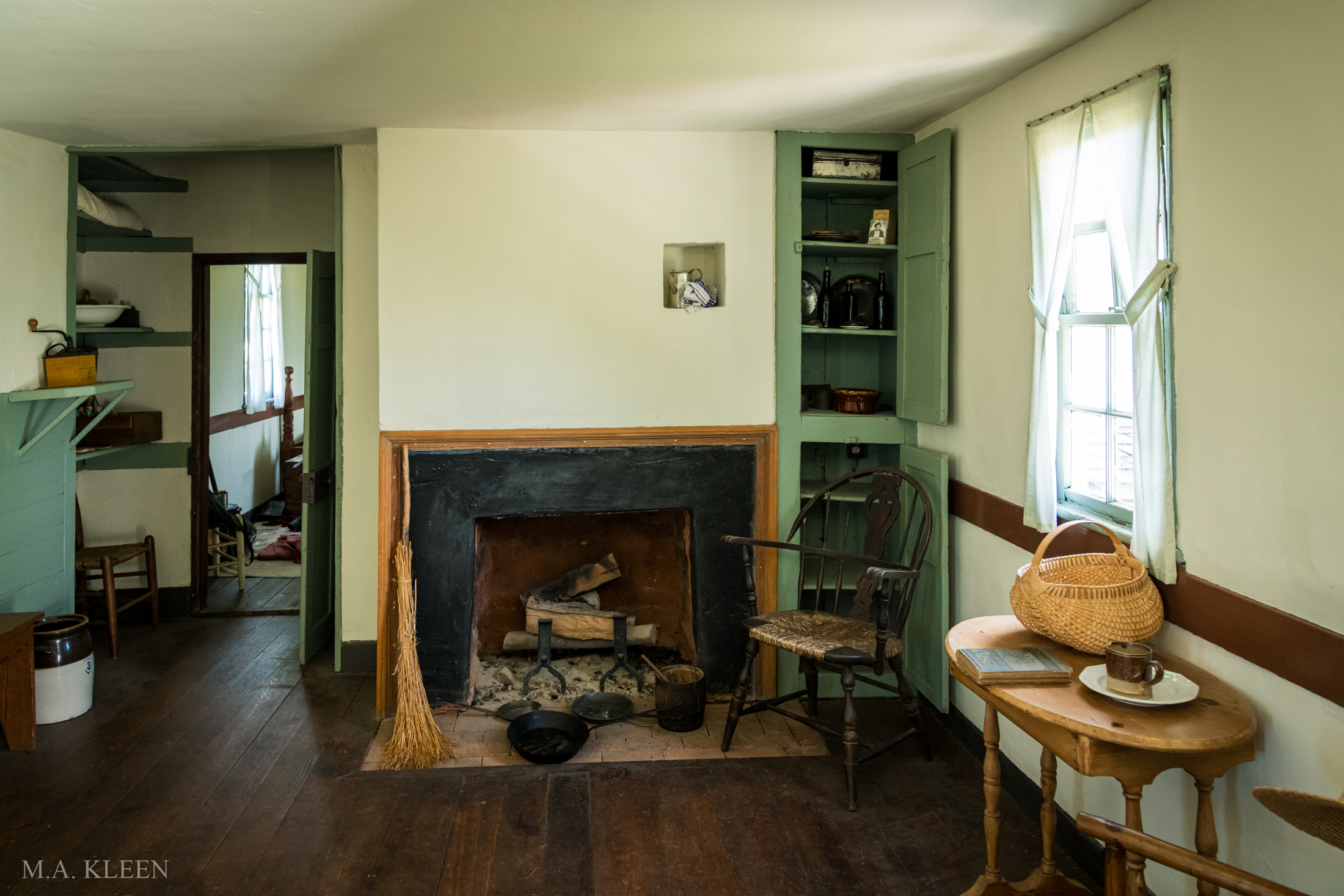
Today, the 321‑acre state park offers a deeply evocative glimpse into those final days of the Confederacy. A modern Visitor Center, opened in 2008, features artifacts, exhibits, and the largest research library in Virginia devoted to the Appomattox Campaign. Visitors can request guided tours of the Overton-Hillsman House, used during the battle and now restored to reflect its wartime appearance, complete with visible bloodstains still marking the floors.
Seven interpretive hiking trails wind through the fields and forest, tracing the paths of fierce cavalry and infantry engagements, such as Marshall’s Crossroads, Lockett Farm, and Double Bridges. For those who prefer driving, the Lee’s Retreat tour loops through the broader landscape, with five stops marked by historical signage.
Seasonal living‑history programs, from reenactments to ranger‑led butterfly walks, bring fresh layers of meaning to the rolling fields. Costumed interpreters, particularly active each April, help visitors imagine the chaos and courage of that pivotal day. The park’s natural beauty, lush trails, serene creeks, abundant wildlife, belies the brutal history beneath your feet.
To visit, head to the park in Rice, VA, between Petersburg and Appomattox. The park operates under the Department of Conservation and Recreation, guided by a dedicated Friends group that helps preserve its legacy. Modern travelers can arrive by car along Routes 617, 618, or 619, parking near the Visitor Center and then embarking on foot or by car tours. The site is usually open during daylight hours, with staff available for house tours and interpretive programs.
Sailor’s Creek Battlefield stands as a powerful reminder of the Confederacy’s collapse. Here, the fog of war, the roar of musketry, and the sight of surrender all played out in a single watershed moment. A visit offers both historical insight and natural refuge, and a profound connection to one of America’s final wartime reckonings.

 M.A. Kleen
What are your thoughts?