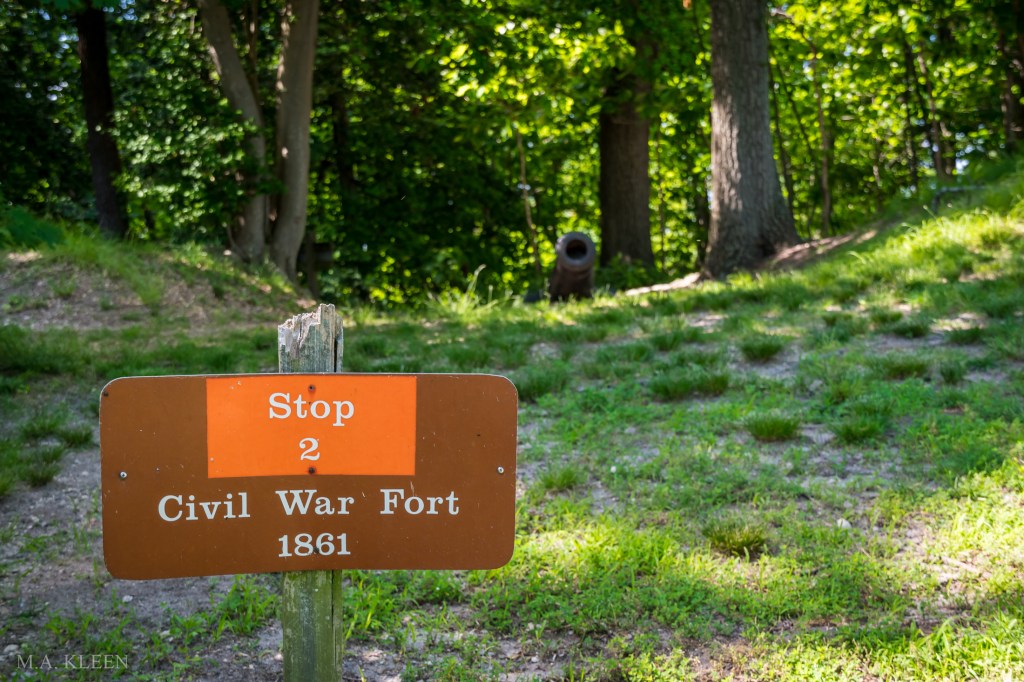
Tucked along the Potomac’s quiet shoreline, Leesylvania State Park preserves the bluff where Confederate guns once fired on Union ships—a hidden Civil War site where history meets tranquility just miles from Washington, D.C.
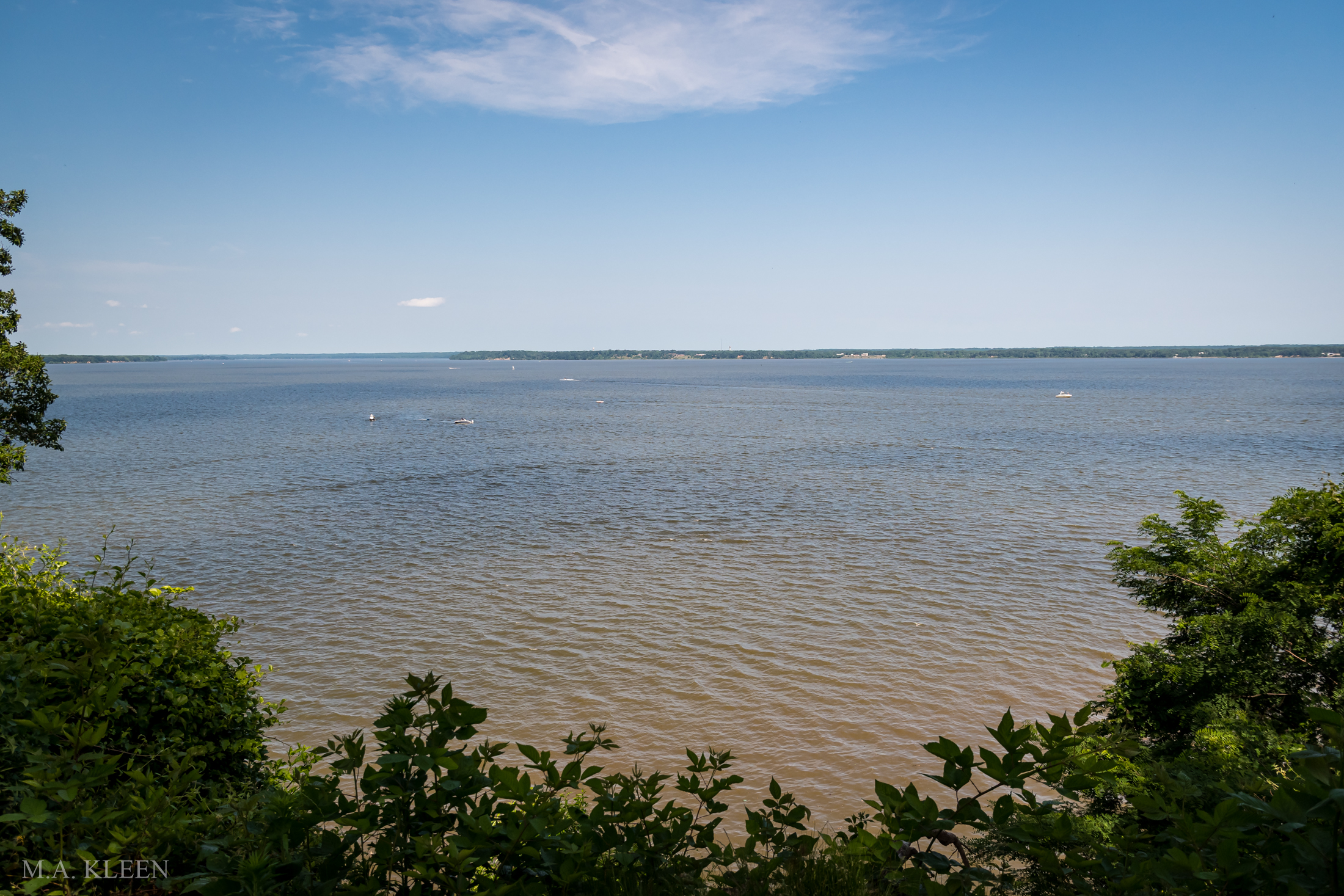
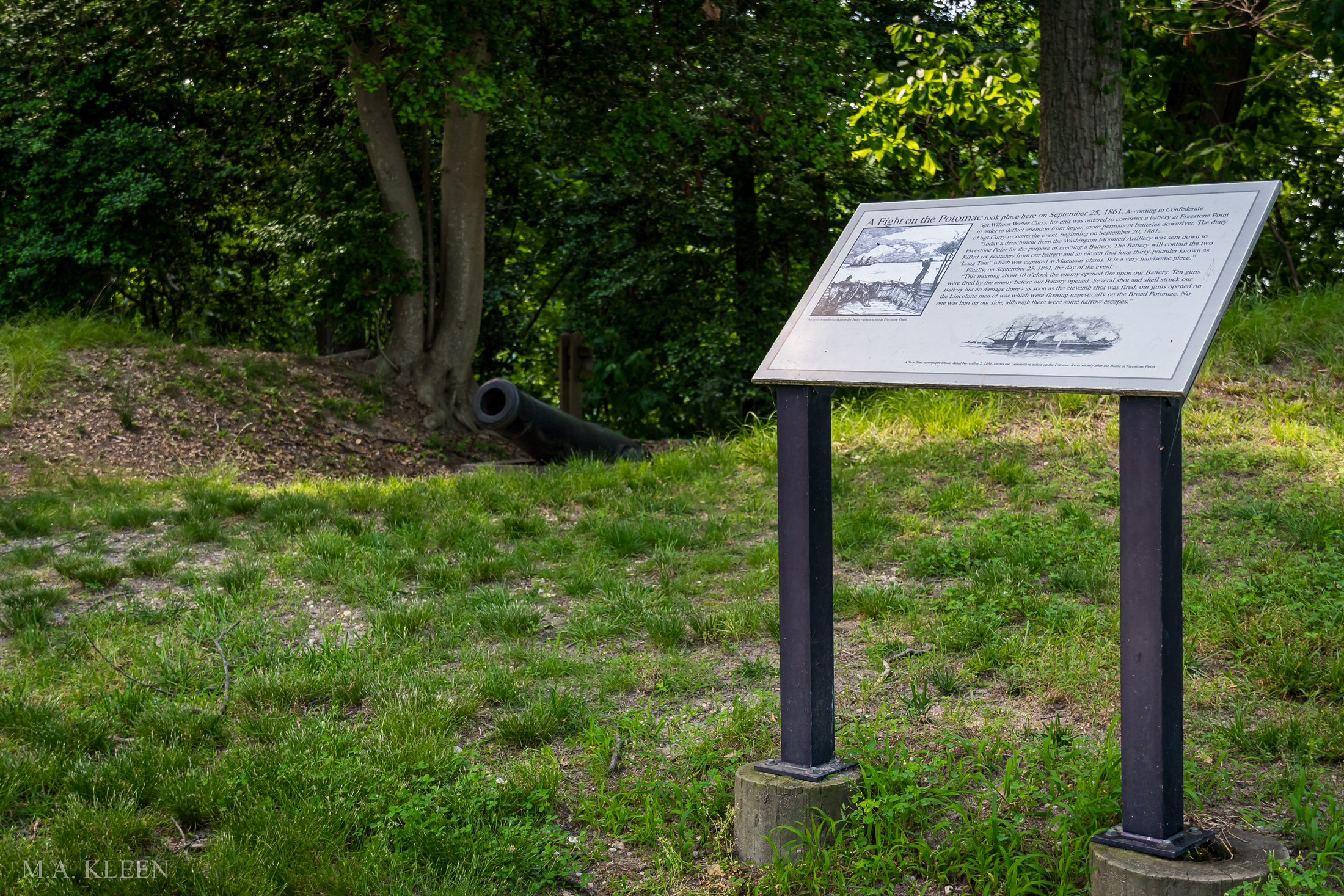
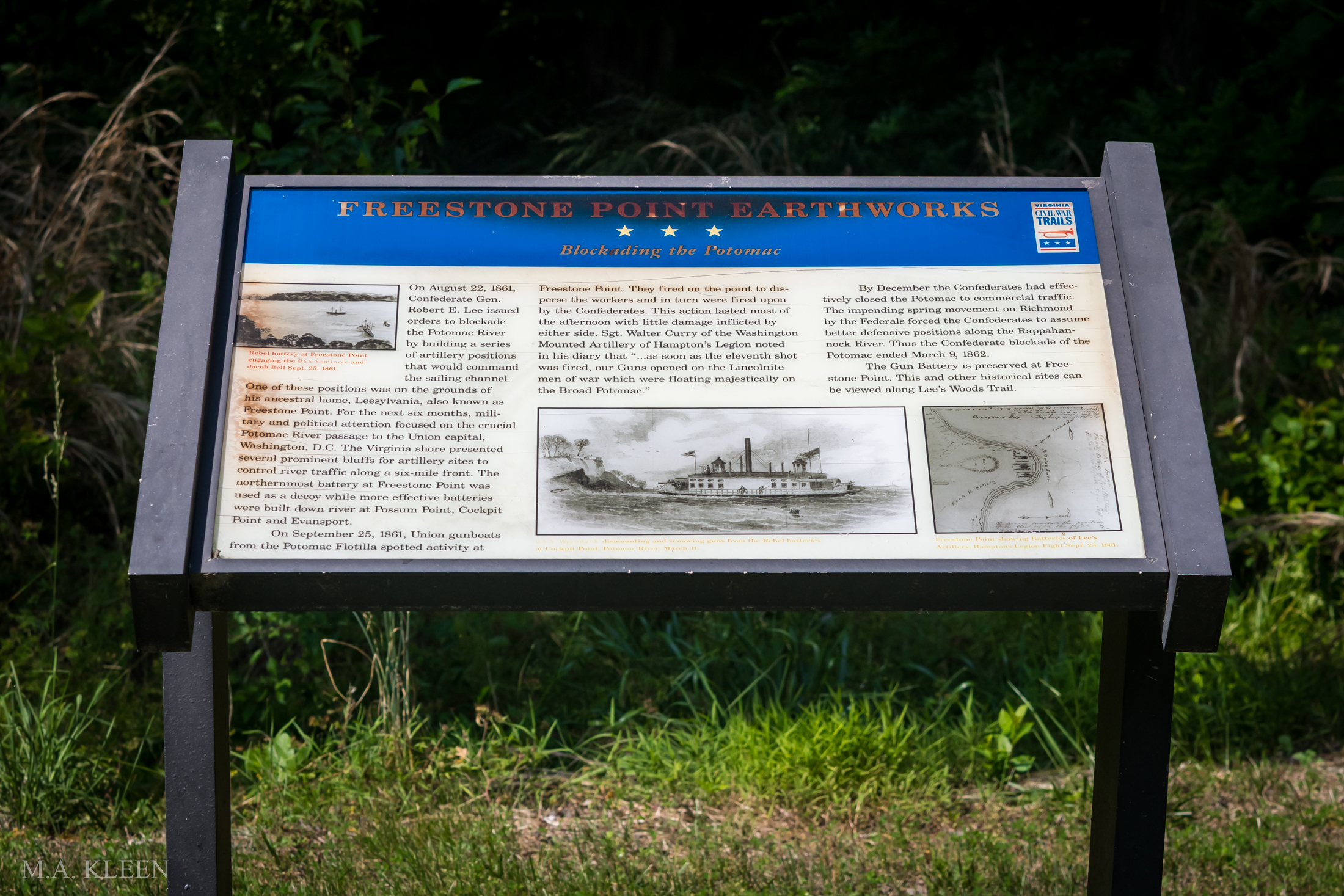
Along the Potomac River in Prince William County, Virginia, Leesylvania State Park offers more than just scenic beauty—it preserves the memory of a little-known Civil War skirmish that unfolded during the war’s tense first months. On September 25, 1861, Confederate artillery at Freestone Point opened fire on Union vessels navigating the Potomac, briefly asserting control over a vital waterway and sending a clear message that Virginia’s shoreline would not be surrendered without resistance.
The site, once part of the Lee family estate and the boyhood home of Henry “Light-Horse Harry” Lee (father of Confederate General Robert E. Lee) was ideally situated for a river battery. From high bluffs above the Potomac, Confederate troops constructed four gun emplacements in shallow earthworks. On that September afternoon, the stillness of the river was shattered by cannon fire as the guns opened up on Union ships enforcing President Lincoln’s blockade.
Though the bombardment caused no lasting damage and resulted in no recorded casualties, it demonstrated the effectiveness of Confederate control over the Potomac River in the fall of 1861. For Union forces and Washington politicians just 30 miles upriver, it served as a jarring reminder that the Confederate frontier was dangerously close.
Walking the park’s trail today, it’s not difficult to imagine the scene. The trail winds up through woods to a shaded clearing where the remnants of the Freestone Point Battery still rest. The trenchwork is low and easy to overlook, more a suggestion of what once was than a towering fortification, but the view from the bluff is commanding.
On a quiet morning, standing in the same place Confederate gunners once did, you can watch osprey glide over the water and pleasure boats trace slow arcs in the distance. The Potomac looks peaceful now, but the interpretive signage reminds you of a time when it was anything but.
Leesylvania State Park is more than its Civil War story. The park offers a wide range of recreational options—fishing piers, boat launches, forested trails, and picnic shelters all draw visitors year-round. The visitor center contains well-curated exhibits on the region’s deep history, including its colonial and Indigenous past.
But there’s something about walking up to that battery site, tucked among trees and overlooking the river’s bend, that leaves a lasting impression. It’s not dramatic in scale, and it doesn’t make many history books, but that’s part of its power. It reminds you that the Civil War touched nearly every corner of Virginia, even the quiet places.
If you arrive early in the day, the sunlight filters through the trees in soft gold as you make your way up the ridge. There’s a stillness here that invites reflection. It’s the kind of place where the past doesn’t shout—it waits patiently to be noticed. For anyone interested in the quieter chapters of Civil War history, Leesylvania offers a compelling blend of story and landscape. It’s not just a stop on a map; it’s a walk through a moment that helped define the early war on the Potomac frontier.

 M.A. Kleen
What are your thoughts?