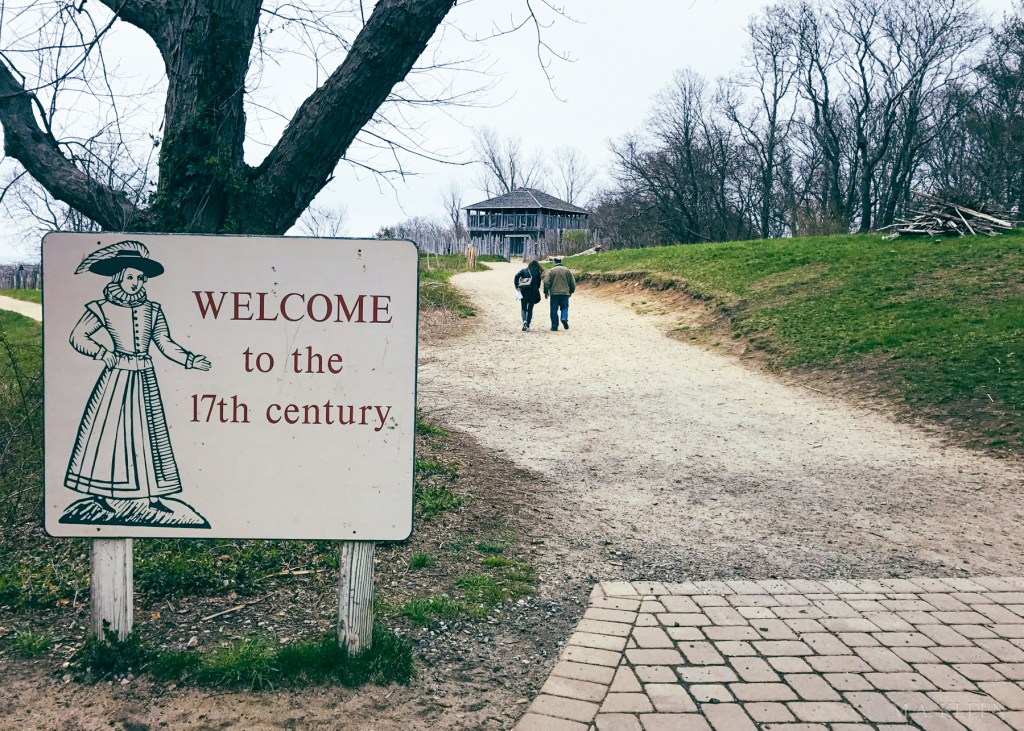
Travel back to the 1600s and step into the world of America’s first settlers at Plimoth Plantation and Jamestown Settlement—where hands-on history, reconstructed villages, and legendary tales of survival bring colonial America vividly to life.
Few things bring history to life like visiting a living history museum. The sights, sounds, and stories of the past take on a new vibrancy when experienced firsthand. If you’ve ever wondered what life was like in 17th-century colonial America, two standout destinations await: Plimoth Plantation in Massachusetts and Jamestown Settlement in Virginia. Both museums immerse visitors in the everyday lives of early settlers, offering a blend of education, entertainment, and hands-on activities that make history come alive.
Plimoth Plantation: A Glimpse into Pilgrim Life
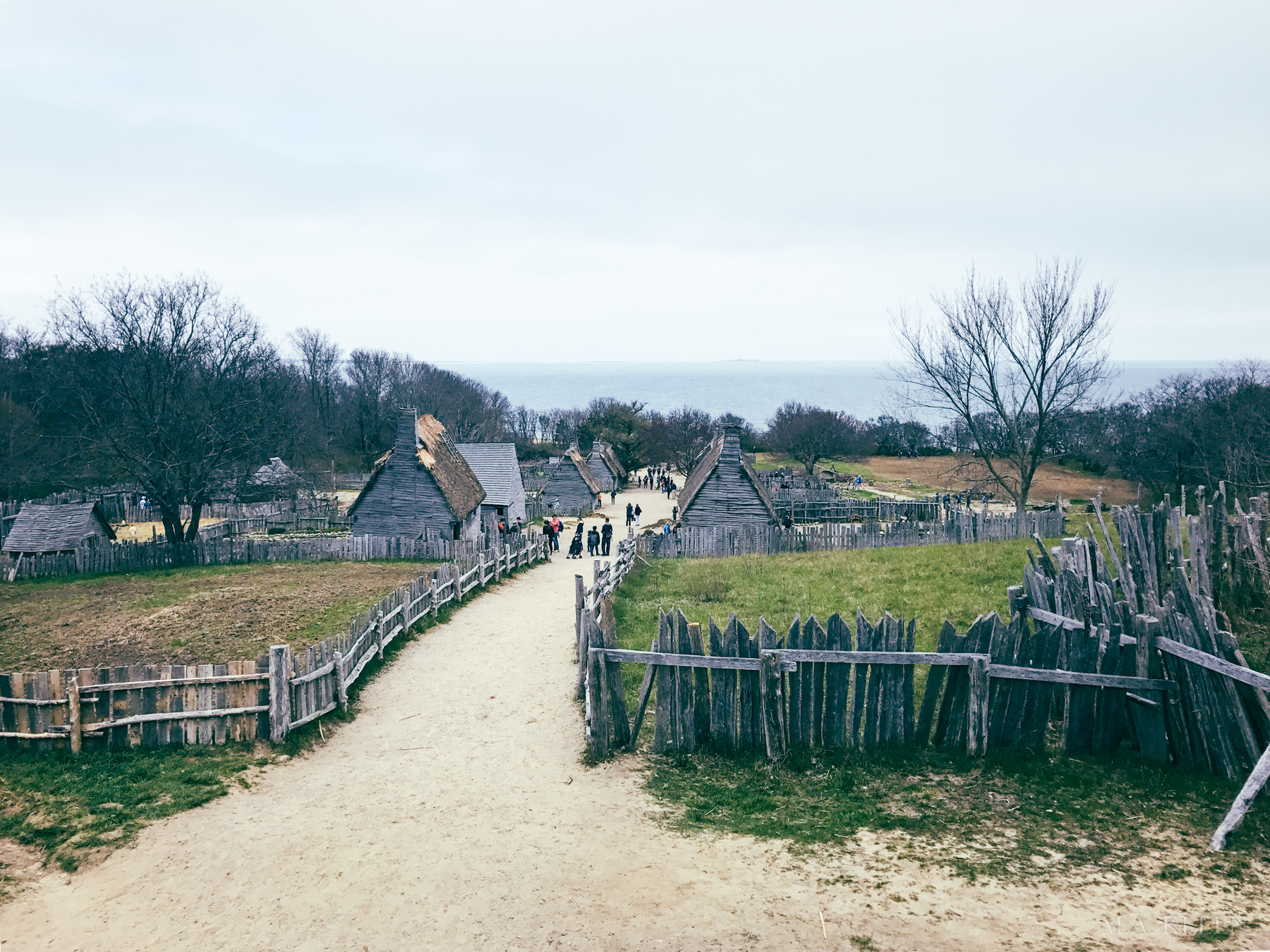
Nestled in Plymouth, Massachusetts, Patuxet Museums’ Plimoth Plantation re-creates the Pilgrim experience with stunning attention to detail. A short drive from the original Plymouth Colony site, this living history museum transports you to 1627, when the English settlers were forging a new life in a foreign land. From its reconstructed village to the Wampanoag Homesite, Plimoth Plantation is a vibrant tableau of colonial America.
The heart of Plimoth Plantation is its replica of a 17th-century English village. As you wander the dirt paths between timber-framed cottages, you’ll meet costumed interpreters who speak, act, and think as if they were living in the 1620s. These historical interpreters share their stories, daily tasks, and insights into colonial life, making it easy to imagine yourself as a part of this fledgling community.
Nearby, the Wampanoag Homesite offers an essential perspective on the Indigenous people who played a crucial role in the Pilgrims’ survival. Unlike the Pilgrim Village, this site is staffed by Native interpreters who speak in modern voices, bridging the gap between past and present while highlighting the Wampanoag way of life.
Plimoth Plantation also excels in engaging visitors with hands-on experiences. In the Craft Center, artisans demonstrate traditional skills such as candle-making, blacksmithing, and pottery. The Maxwell and Nye Barns introduce visitors to rare breeds of livestock, while the Plimoth Grist Mill showcases the mechanics of 17th-century food production. Each stop invites exploration and interaction, fostering a deeper connection to history.
Plan to spend several hours exploring all that Plimoth Plantation and its affiliated sites have to offer. Adult tickets are $35 for the Historic Patuxet Homesite, 17th-Century English Village, and Craft Center, with discounts for seniors and children. While the Mayflower II, a replica of the Pilgrims’ ship, was under repair during my visit, it’s another must-see attraction when available. Seasonal hours typically run from 9:00 a.m. to 5:00 p.m., making it an ideal day trip for families and history buffs alike.
Jamestown Settlement: The Birthplace of Colonial America
If Plimoth Plantation captures the perseverance of the Pilgrims, Jamestown Settlement in Williamsburg, Virginia, tells the dramatic story of the first permanent English colony in North America. Founded in 1607, Jamestown faced harrowing challenges, from starvation and disease to conflict with the Powhatan Confederacy. Today, the museum re-creates these experiences with vivid authenticity.
Jamestown Settlement offers a sprawling complex of reconstructed sites that transport visitors to the early 1600s. The James Fort, with its palisades and thatched-roof buildings, evokes the settlers’ struggle to survive in an unfamiliar land. The adjacent Powhatan Town provides a contrasting view of the Indigenous culture, with interpreters demonstrating traditional crafts, cooking, and storytelling.
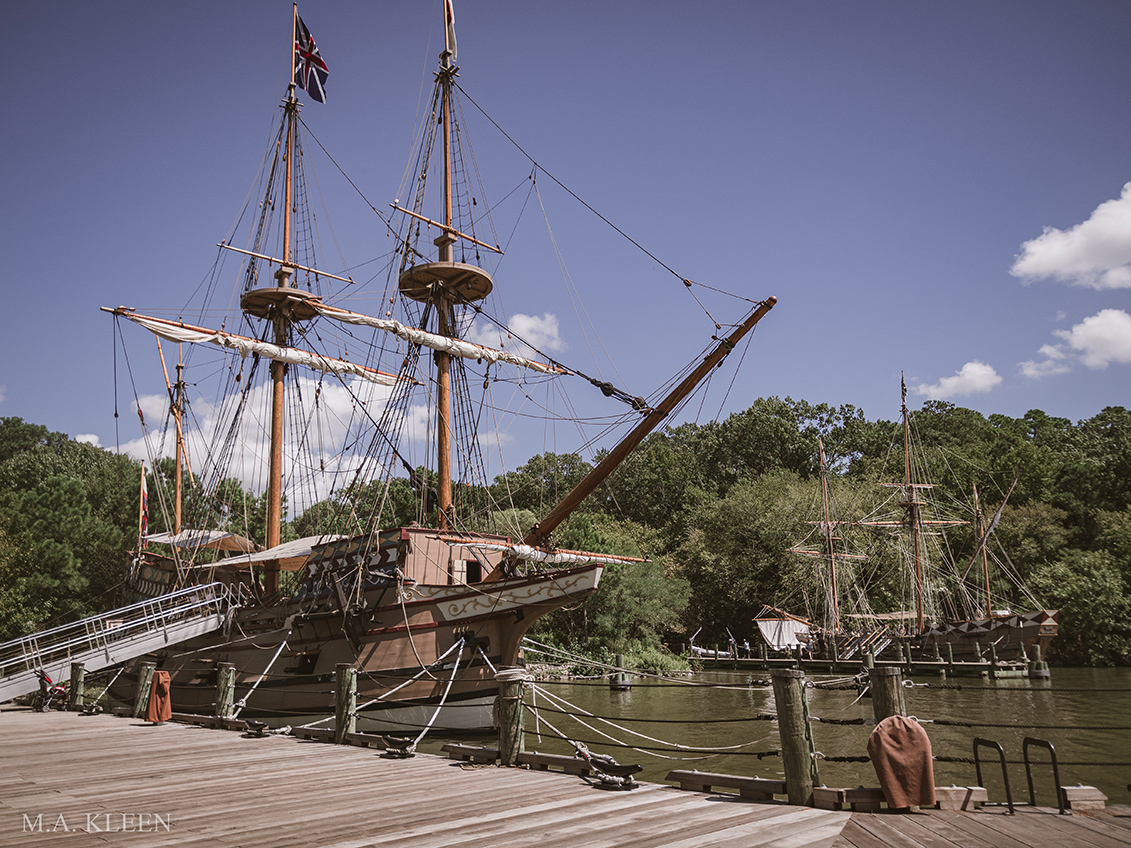
One of the highlights of Jamestown is its fleet of reconstructed sailing ships—the Susan Constant, Godspeed, and Discovery. These fully operational vessels are anchored along the James River, giving visitors a visceral sense of the cramped conditions endured during the settlers’ four-month journey across the Atlantic.
The on-site museum complements the outdoor exhibits with an impressive array of artifacts and interactive displays. From weapons and tools to personal letters, the collection paints a vivid picture of life in the colony. Notably, Jamestown’s museum delves into broader themes, such as the introduction of representative government and the role of women in colonial society.
Jamestown Settlement is open daily from 9:00 a.m. to 5:00 p.m., with extended hours in the summer. Admission is $20.00 for adults and $10.00 for children, with combination tickets available for nearby attractions like the American Revolution Museum at Yorktown. The museum’s accessible layout and engaging exhibits make it a family-friendly destination.
A Tale of Two Colonies
Though Plimoth Plantation and Jamestown Settlement share a mission of historical education, their approaches and atmospheres differ in intriguing ways. Plimoth Plantation excels in its intimate, hands-on activities and the personal touch of its interpreters, who stay firmly rooted in their historical personas. By contrast, Jamestown Settlement impresses with its grand scale, immersive museum exhibits, and dramatic narrative of survival against overwhelming odds.
Both museums offer reconstructed villages and Indigenous sites, though their interpretations vary. Plimoth Plantation’s Wampanoag Homesite provides a reflective and modern view of Native history, while Jamestown’s Powhatan Town focuses on traditional crafts and lifeways. Similarly, while both feature historic ships, the trio at Jamestown is a showstopper for maritime enthusiasts.
Visiting these living history museums is more than a lesson in history—it’s an invitation to step into the past and experience the sights, smells, and sounds of colonial life. Walking through the reconstructed villages, hearing interpreters speak in the accents of their time, and touching the tools and crafts of the era sparks a deeper connection to history than any textbook could provide.
For families, these destinations offer a fun and educational outing that appeals to all ages. Kids can try their hand at grinding corn, handling replica tools, or even helping sailors hoist sails on Jamestown’s ships. For adults, the museums provide thoughtful insights into the complex relationships between settlers and Native peoples, as well as the hardships and triumphs of early colonial life.
Tips for Planning Your Trip
- Timing: Spring and fall are ideal for visiting both Plimoth Plantation and Jamestown Settlement, with mild weather and fewer crowds.
- Engage with Interpreters: Don’t be shy about asking questions—interpreters at both sites are knowledgeable and eager to share stories.
- Pack Snacks: While both sites have dining options, bringing your own snacks or a picnic can save time and money.
- Combination Tickets: If you’re visiting Jamestown, consider a combination ticket with nearby Historic Jamestowne or the American Revolution Museum for a full immersion into Virginia’s colonial history.
Plimoth Plantation and Jamestown Settlement stand as testaments to the resilience, ingenuity, and determination of America’s early settlers. Whether you’re fascinated by the Pilgrims’ search for religious freedom or the harrowing challenges faced by the Jamestown colonists, these living history museums offer unforgettable experiences that make the past come alive.
Pack your sense of adventure, your curiosity, and maybe a pair of sturdy walking shoes. History is waiting to be discovered at Plimoth and Jamestown—two destinations where the stories of colonial America unfold before your eyes.

 M.A. Kleen
What are your thoughts?