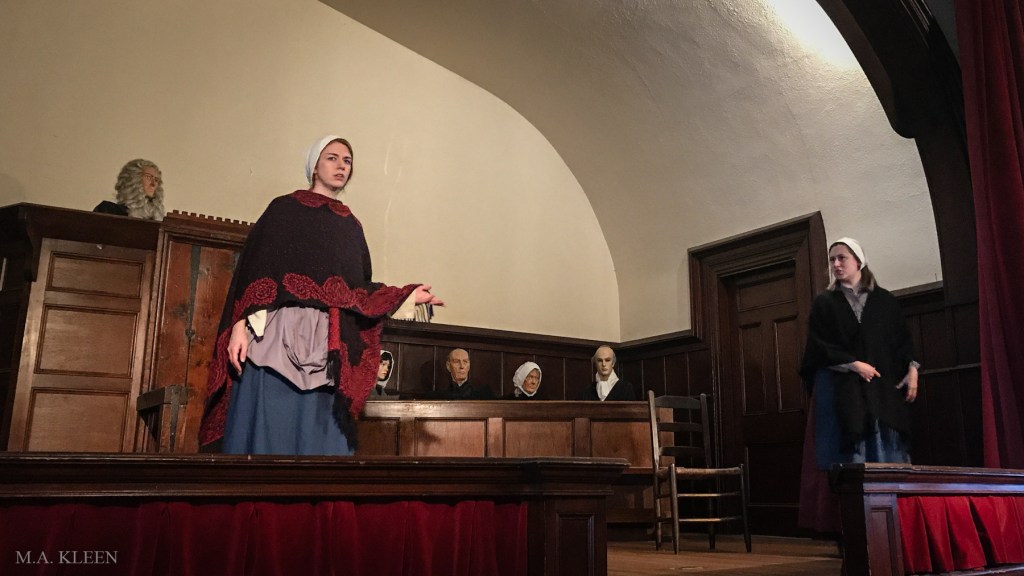
Explore three unique museums that bring the haunting history and eerie world of the Salem Witch Trials to life. From chilling dungeon reenactments to life-sized dioramas, discover the captivating stories behind the infamous trials and their lasting impact.
The Salem Witch Trials, which took place in 1692-1693 in colonial Massachusetts, were a series of prosecutions and executions of innocent men and women accused of witchcraft. Fueled by a combination of superstition, religious zeal, and community tensions, the trials began after a group of young girls in Salem Village claimed to be possessed by spirits and accused several local women of witchcraft. The resulting hysteria led to over 200 accusations, 19 executions by hanging, and one man pressed to death.
Salem Village was located in what is today Danvers, Massachusetts, but the trials and hangings were carried out in what became the modern city of Salem. After Arthur Miller’s play The Crucible and films based on it popularized the Salem Witch Trials, several museums and tourist attractions cropped up to capitalize on the notoriety. I’ve had the opportunity to visit the following three, and each has something unique to offer.
Salem Witch Museum
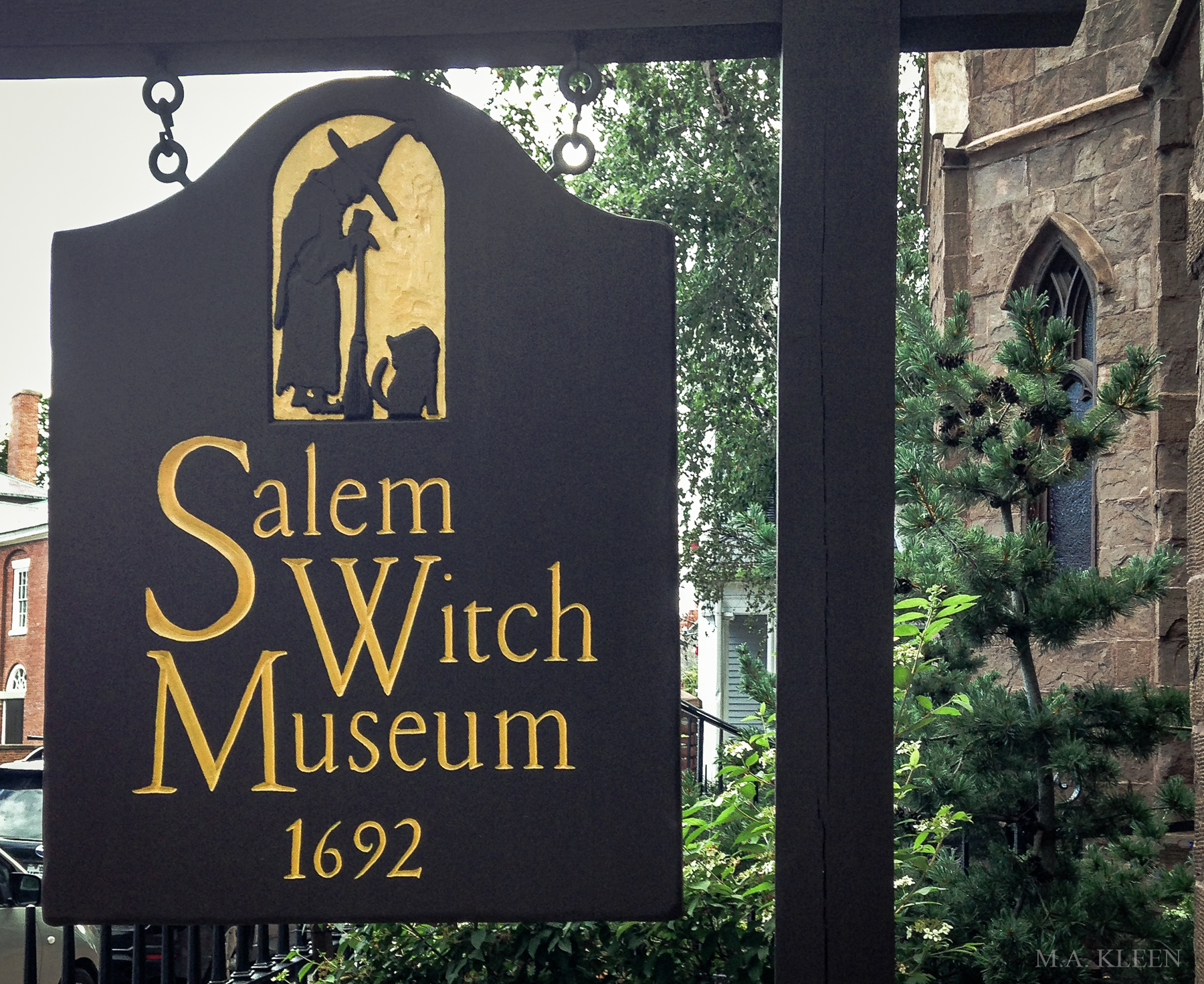
The 1692 Salem Witch Museum, at 19 1/2 N Washington Square, is probably Salem’s oldest, most famous, and most recognizable museum focusing on the witch trials of 1692 and 1693. It opened in an 1846 Gothic Revival-style Unitarian Church in 1972. Fallout fans may recognize it, since it appeared as a location in Fallout 4.
Its main attraction is a large amphitheater in which you are at the center of a pre-recorded dramatization of the trials. Jarring lights and sounds draw your attention to scenes with wax figures depicting scenes from the arrests and trials. The message of Arthur Miller’s The Crucible, a morality play warning of the dangers of social exclusion and persecution, is on full display. It celebrated its 50th anniversary in 2022.
Witch Dungeon Museum
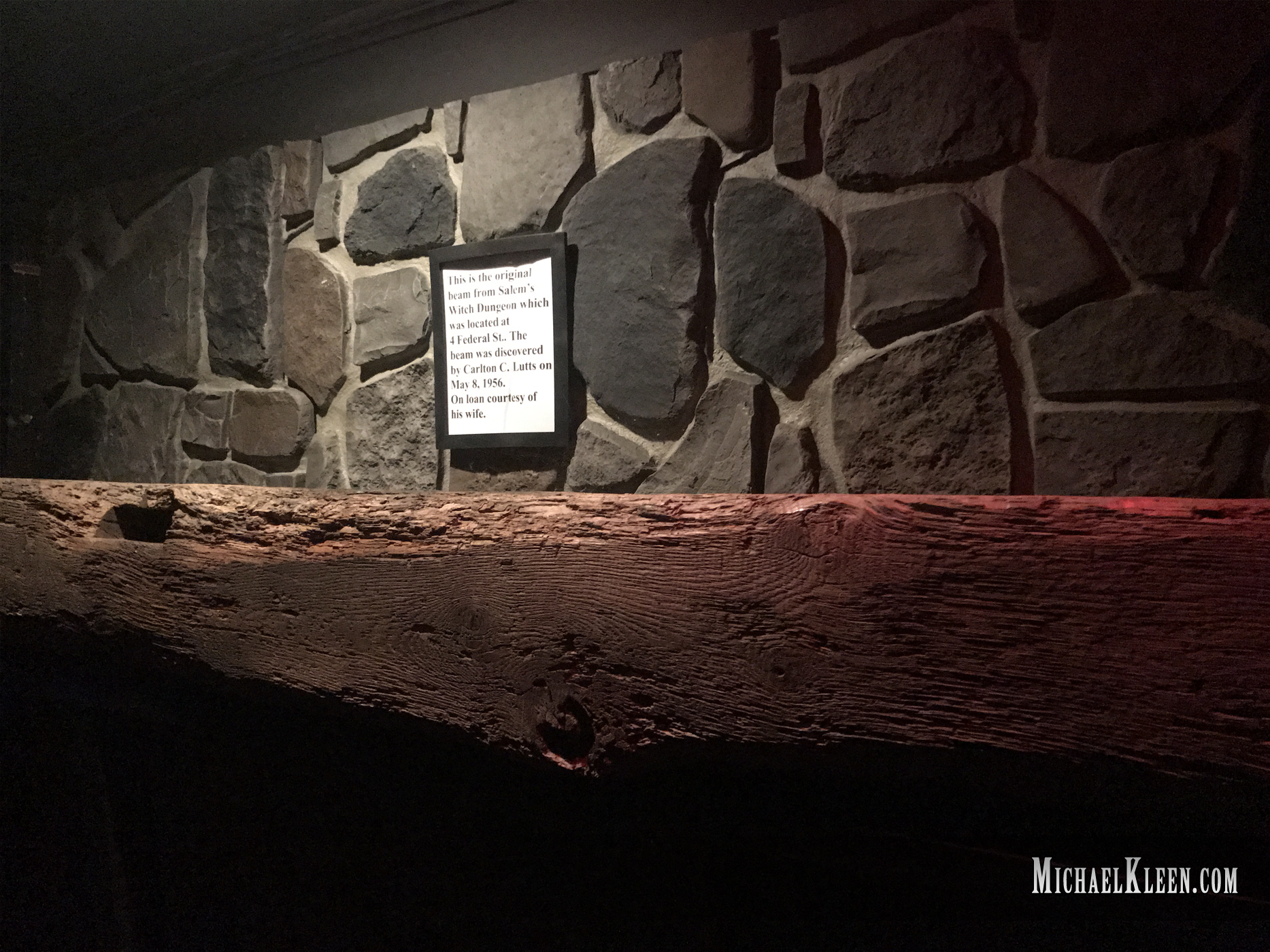
The Witch Dungeon Museum, at 16 Lynde Street (near the Witch House on the Heritage Trail), is Salem’s second oldest witch museum, having opened in 1979. This museum is also located in a former church, but the wooden structure is not as old as it appears (circa 1897). The museum’s highlight is a live performance of a dramatic moment from the trials, with lines drawn from an eyewitness account. After the reenactment, the audience is led downstairs into “the dungeon.” Here you can see a beam allegedly saved from the original witch dungeon at 4 Federal Street by Carlton C. Lutts in 1956, loaned to the museum by his wife.
The dungeon itself contains small, cramped cells filled with wax figures in various states of pain and misery. At the very end, there is a larger display of a hanging tree–all meant to illustrate the torment the accused endured. The families of the accused had to pay for their room and board, and if they were too poor, the victims had to stand in what can only be described as a small closet. I got the impression that this museum is more focused on education and research (as opposed to a social message or entertainment) than the others.
Witch History Museum
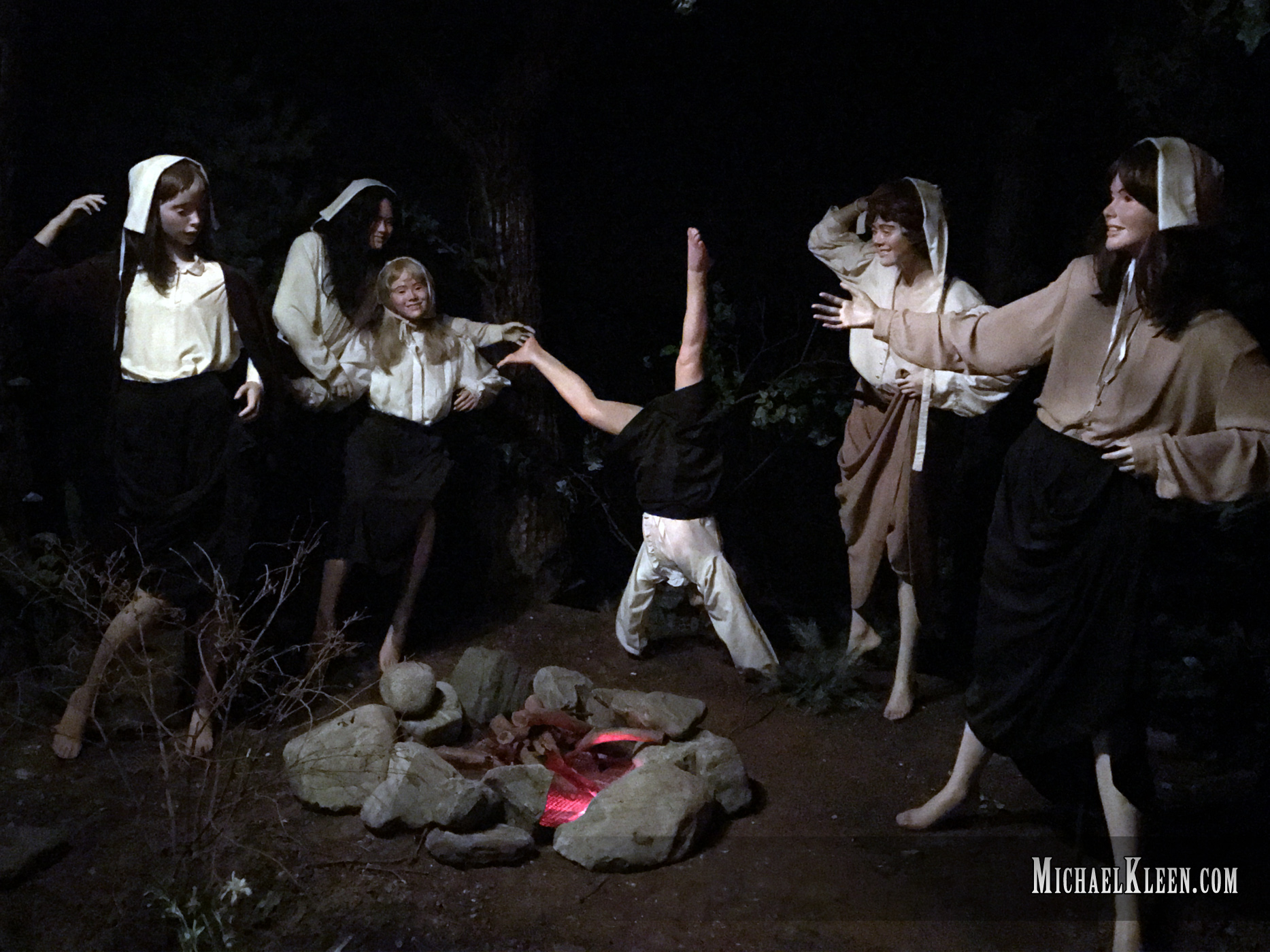
The Witch History Museum, located at 197-201 Essex Street on the pedestrian mall, is the youngest of the three. An actress in period costume gives a short introduction to the Salem Witch Trials before taking you down into the museum. The wax figures portray a wide variety of scenes, both real and alleged, from the infamous events of 1692. There are fifteen life-sized scenes. The tour guide stops at each one to explain the event it depicts. I was impressed with the effort they put into sharing some little-known facts about the people who participated in the trials.
The Witch History Museum has the best and most diverse dioramas in Salem, when it comes to the Salem Witch Trials. You can buy a ticket bundle for this museum, the New England Pirate Museum, and the Witch Dungeon Museum and save $8 on all three.
Visiting Salem offers a chance to step back into one of the most fascinating and tragic chapters of early American history. The Salem Witch Museum, Witch Dungeon Museum, and Witch History Museum each provide a unique lens through which to experience the Salem Witch Trials, from immersive dramatizations to chilling recreations of the dungeons and gallows. Whether you’re drawn to the historical accuracy of firsthand accounts, the eerie atmosphere of the exhibits, or simply a deeper understanding of this dark period, these museums present a rich and multifaceted experience for history enthusiasts and curious visitors alike.
Donate
Enjoy what you read? Please consider making a one-time donation to support my research.
Enjoy what you read? Please consider making a monthly donation to support my research.
Enjoy what you read? Please consider making a yearly donation to support my research.
Choose an amount
Or enter a custom amount
Your contribution is appreciated.
Your contribution is appreciated.
Your contribution is appreciated.
DonateDonate monthlyDonate yearly
 M.A. Kleen
What are your thoughts?