Though the Union Army of the Potomac’s senior officers voted against taking the offensive against Robert E. Lee’s beleaguered army entrenched around Williamsport, Maryland, Maj. Gen. George G. Meade ordered a reconnaissance in force. Lee was trapped by the Potomac River’s high waters, but by July 13, 1863, those waters had begun to recede, allowing his engineers to built a pontoon bridge to Virginia. By the time Meade’s scouts investigated the Confederate works the following day, they found them empty. The Confederate army was already crossing the river. Union cavalry commander Brig. Gen. Hugh Judson Kilpatrick seized the opportunity and headed for the crossing at Falling Waters, where Confederate Maj. Gen. Henry Heth’s Division was acting as a rearguard. In the fog, Heth mistakenly believed Kilpatrick’s troopers were Confederates until it was too late. Hand to hand fighting swirled around the Daniel Donnelly House, and one of Heth’s brigade commanders, James J. Pettigrew, was mortally wounded. Somewhere between 500 and 1,500 Confederates were captured, but most of Lee’s army had made it safely to the Virginia side of the river.
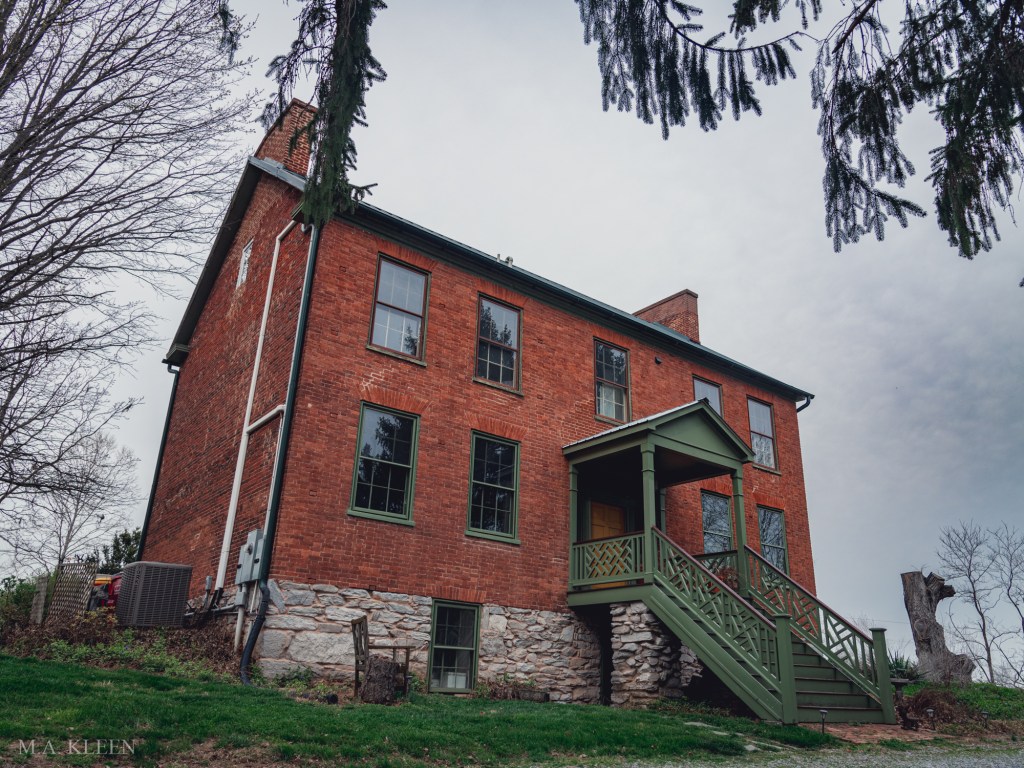
Gettysburg Campaign – Falling Waters, July 14, 1863
1–2 minutes

 M.A. Kleen
What are your thoughts?