As July 2, 1863 dawned, the Union Army of the Potomac was in a good defensive position south of Gettysburg, occupying short interior lines along which units could quickly reinforce vulnerable sectors. Confederate General Robert E. Lee believed the Union line ended at Cemetery Ridge, so he developed a plan for Lt. Gen. James Longstreet’s two available divisions to attack up the Emmitsburg Road from the south, flanking the Union army and ultimately encircling it. Unbeknownst to either Lee or Longstreet, Union Maj. Gen. Daniel E. Sickles had positioned his III Corps in a salient right in the path where Longstreet was supposed to attack. Though the position placed Sickles at a disadvantage, it bought time for the Union army commander, George G. Meade, to bring up units to protect his flank. The V Corps arrived just in time, saving two prominent hills, now known as Big and Little Round Top, from being overrun. Brutal fighting see-sawed throughout the late afternoon, and as darkness fell, the Confederates found themselves in possession of Sickles’ salient. However, they were no closer to victory.
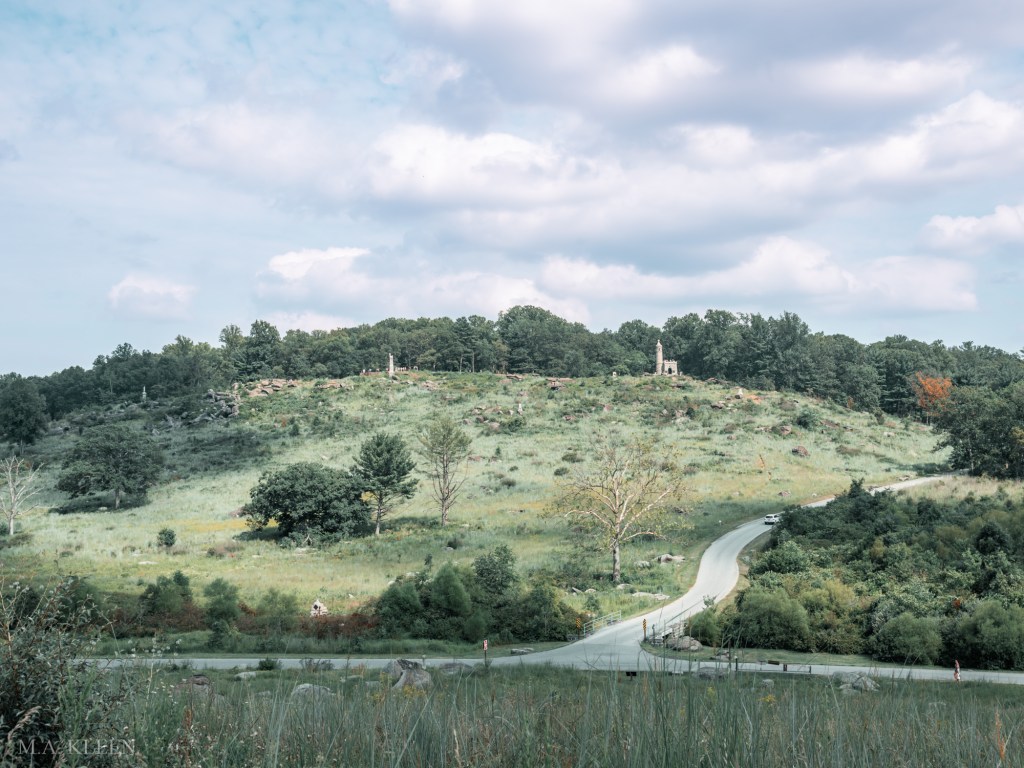
Gettysburg Campaign – Longstreet’s Assault, July 2, 1863
1–2 minutes

 M.A. Kleen
What are your thoughts?