Late in May 1863, fresh off their victory at the Battle of Chancellorsville, Robert E. Lee’s Confederate Army of Northern Virginia moved into Culpeper County in preparation for a march north to take the war into Union territory. Secrecy was essential, since Maj. Gen. Joseph Hooker’s Union Army of the Potomac was still camped nearby. It was J.E.B. Stuart and his 9,500 horsemen’s job to shield Lee’s army, and Alfred Pleasonton’s job to find out what Lee was up to. Pleasonton had at his disposal approximately 8,000 of his own troopers and 3,000 infantry from the Union army’s V Corps. On June 9, 1863, he crossed the Rappahannock River in search of J.E.B. Stuart. If not for poor coordination and quick action by Stuart, Pleasonton nearly succeeded in enveloping what he believed to be a smaller Confederate force. After ten hours of continuous fighting around Brandy Station, Pleasonton ordered a withdrawal, leaving Confederates in command of the field. Lee’s movements remained hidden for the time being. Though the Battle of Brandy Station was a tactical Confederate victory, Union cavalry finally proved it could go toe-to-toe with Confederate horseman. Stuart was widely criticized for allowing Pleasonton to catch him by surprise. When the smoke cleared, 69 Union troopers were dead, 352 wounded, and 486 missing. The Confederates lost 51 killed, 250 wounded, and 132 missing.
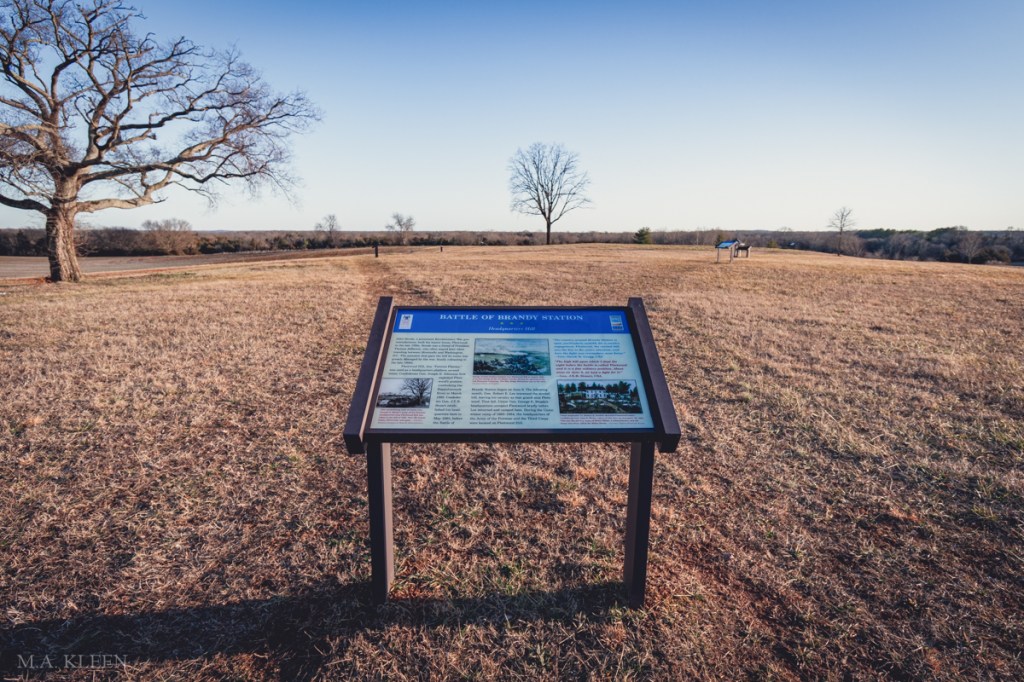
Gettysburg Campaign – Brandy Station, June 9, 1863
1–2 minutes

 M.A. Kleen
What are your thoughts?