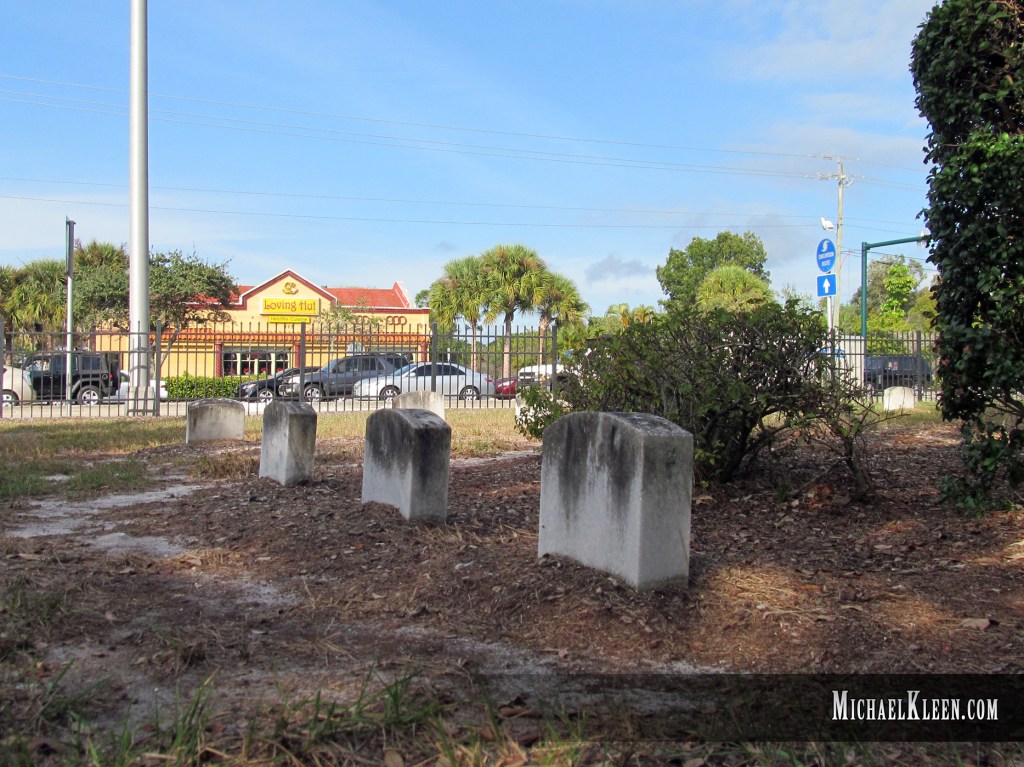
At one of the busiest intersections in wealthy Naples, Florida, a small forgotten graveyard sits wedged between modern development and passing traffic. Known as Rosemary Cemetery, the site has inspired decades of rumors involving displaced graves, restless spirits, mysterious burials, and the strange history hidden beneath the polished surface of this Gulf Coast resort town.
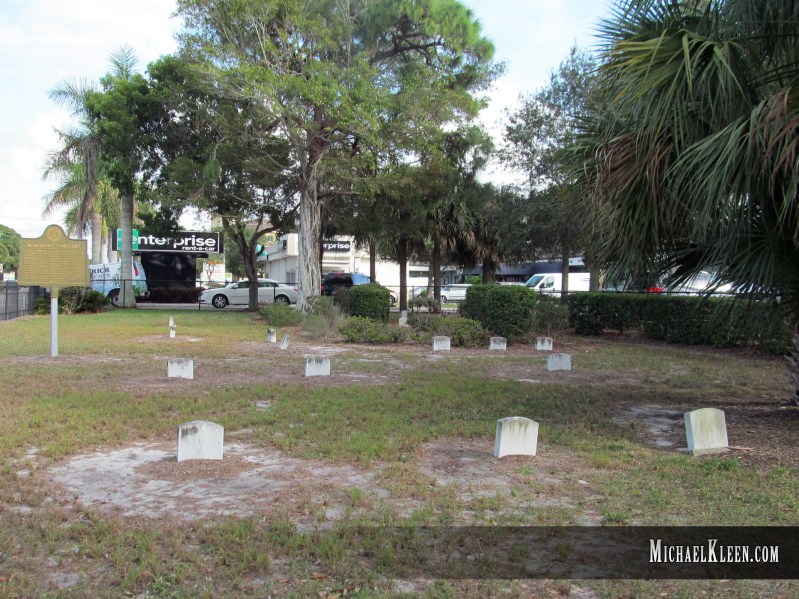
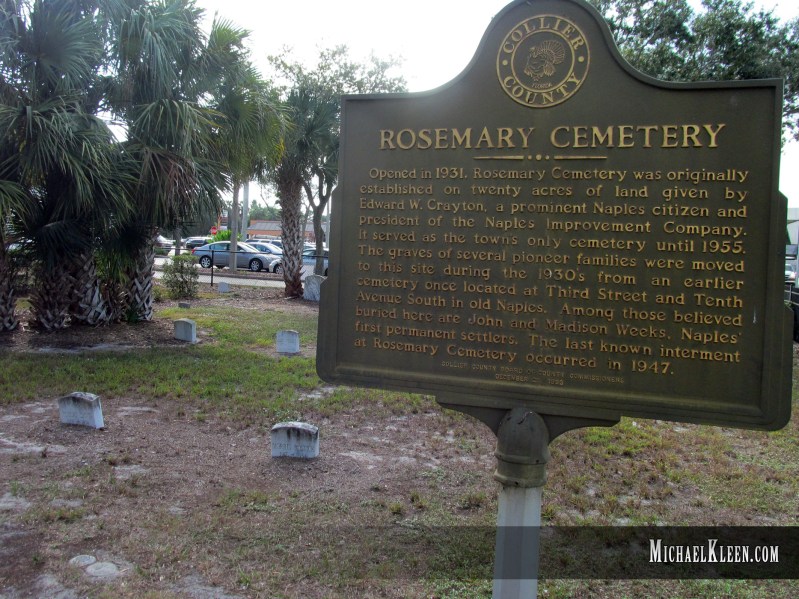
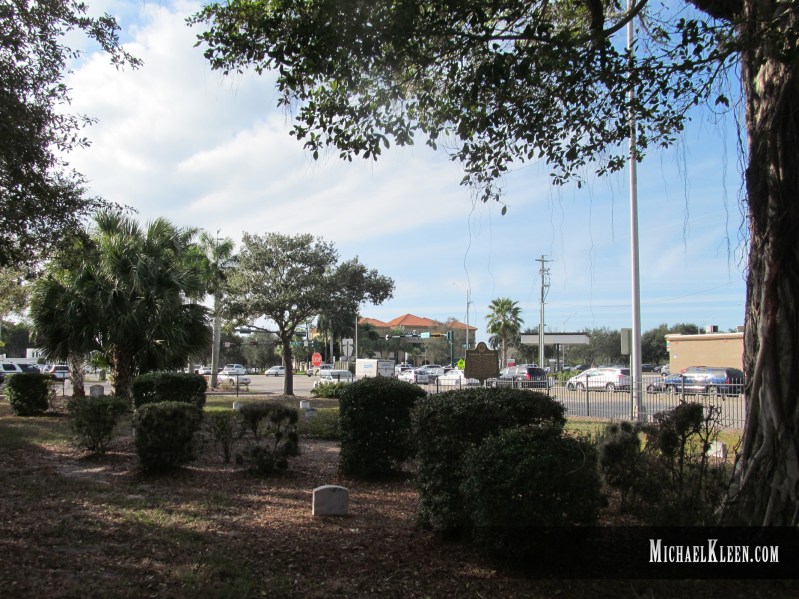
- Rosemary Cemetery in Naples, Florida, once occupied twenty acres and served as the city’s primary burial ground between 1931 and 1955 before development reduced it to a tiny graveyard beside a busy intersection.
- The cemetery contains the graves of some of Naples’ earliest settlers, including John and Madison Weeks, considered the city’s first permanent residents.
- Local legends claim the cemetery may hold the remains of orphaned children or unidentified laborers who died while building Tamiami Trail or working on the railroad.
- Rumors of paranormal activity and repeated business failures near the cemetery have fueled stories that disturbed graves and displaced remains left restless spirits behind.
A graveyard is not something most people expect to encounter beside a pharmacy at a busy urban intersection in one of the wealthiest communities in the United States. Yet that is exactly what stands at the corner of Tamiami Trail North (U.S. 41) and Pine Ridge Road in Naples, Florida.
For years, passersby have wondered about the origins of this tiny cemetery and the identities of those buried there. Adding to the mystery are persistent reports of paranormal activity and rumors that neighboring businesses rarely remain open for long.
Though home to only a little more than 19,000 residents, Naples ranks among the wealthiest cities in the nation, boasting one of the highest per capita incomes and concentrations of millionaires in America. Tourists flock there each year, and in 2005 the Travel Channel named Naples Beach the best beach in the United States.
Naples was not always so crowded or fashionable. In the 1870s, reporters praised the region’s mild climate, abundant fishing, and picturesque shoreline, comparing it to the coast of Italy. Inspired by those descriptions, U.S. Senator John Stuart Williams of Kentucky and his business partner, Walter N. Haldeman, founded a settlement there and named it Naples after the Italian city.
Many of the area’s earliest settlers were originally buried in a cemetery at the corner of 3rd Street South and 10th Avenue South. During the population boom of the 1930s, however, developers sought to build on the property, and the cemetery was relocated to a twenty-acre tract on the outskirts of town donated by Edward W. Crayton, president of the Naples Improvement Company.
Today, that once-isolated parcel sits in the middle of one of the busiest parts of the city. Among those interred there are John and Madison Weeks, considered Naples’ first permanent settlers.
Rosemary Cemetery remained active between 1931 and 1947, with the latter marking the last known burial, and served as Naples’ only cemetery until 1955. Over the decades, the original twenty acres were gradually consumed by development until only a small graveyard remained beside the parking lot of a CVS Pharmacy. The site has fueled endless speculation about what became of the thousands once buried there, and about the identities of those whose graves still survive.
According to Glendon Guttenfelder of Florida Fringe Tourism, “Some people still believe the burials belong to the original Naples pioneers. Others claim Rosemary is the burial site for orphaned or unwanted children who died many years ago. The most popular belief is that this is the mysterious ‘Plot N’ which contains the graves of ‘8 Unknown Negros’ who were killed working on the railroad, building Tamiami Trail or by a mob in a bar fight.”
The destruction of burial grounds through development, whether urban or rural, is unfortunately common and has long been associated with tales of paranormal activity. Many believe the dead do not take kindly to having their resting places disturbed. Some locals even wonder whether that might explain the frequent failure of businesses at this busy intersection in Naples. No one can say for certain. Yet as long as Rosemary Cemetery catches the eye of passing motorists, curious minds will continue searching for answers among its lonely graves.
Donate
Enjoy what you read? Please consider making a one-time donation to support my research.
Enjoy what you read? Please consider making a monthly donation to support my research.
Enjoy what you read? Please consider making a yearly donation to support my research.
Choose an amount
Or enter a custom amount
Your contribution is appreciated.
Your contribution is appreciated.
Your contribution is appreciated.


What are your thoughts?