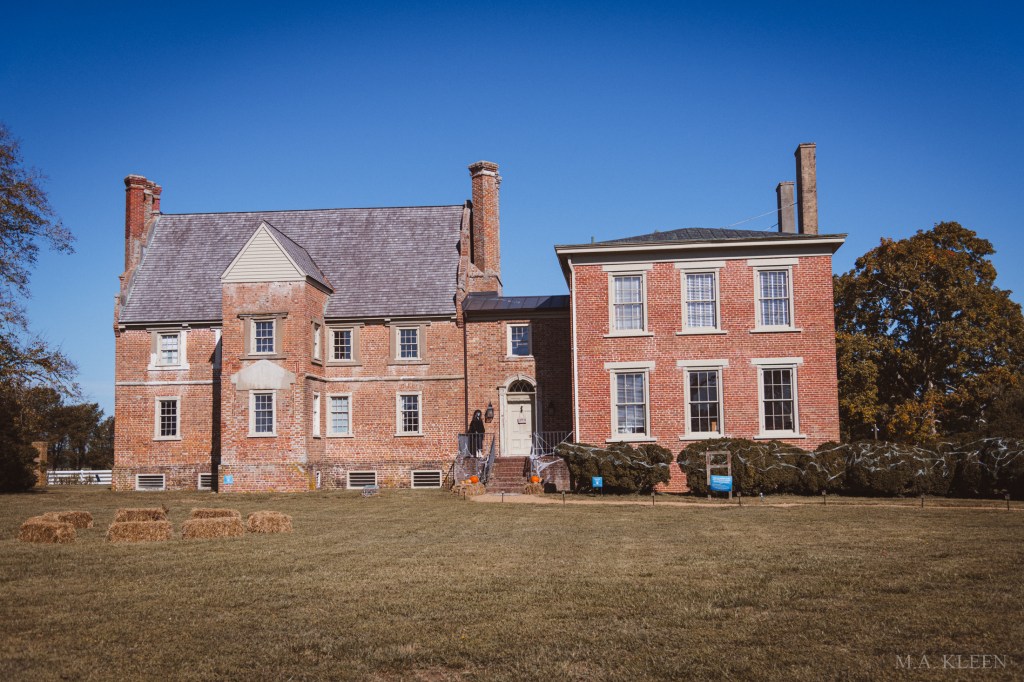
Love, rebellion, and fire still haunt the halls of Bacon’s Castle, where ghosts walk the stairs and a glowing red orb drifts through the night sky. History lives here, but so do the dead.
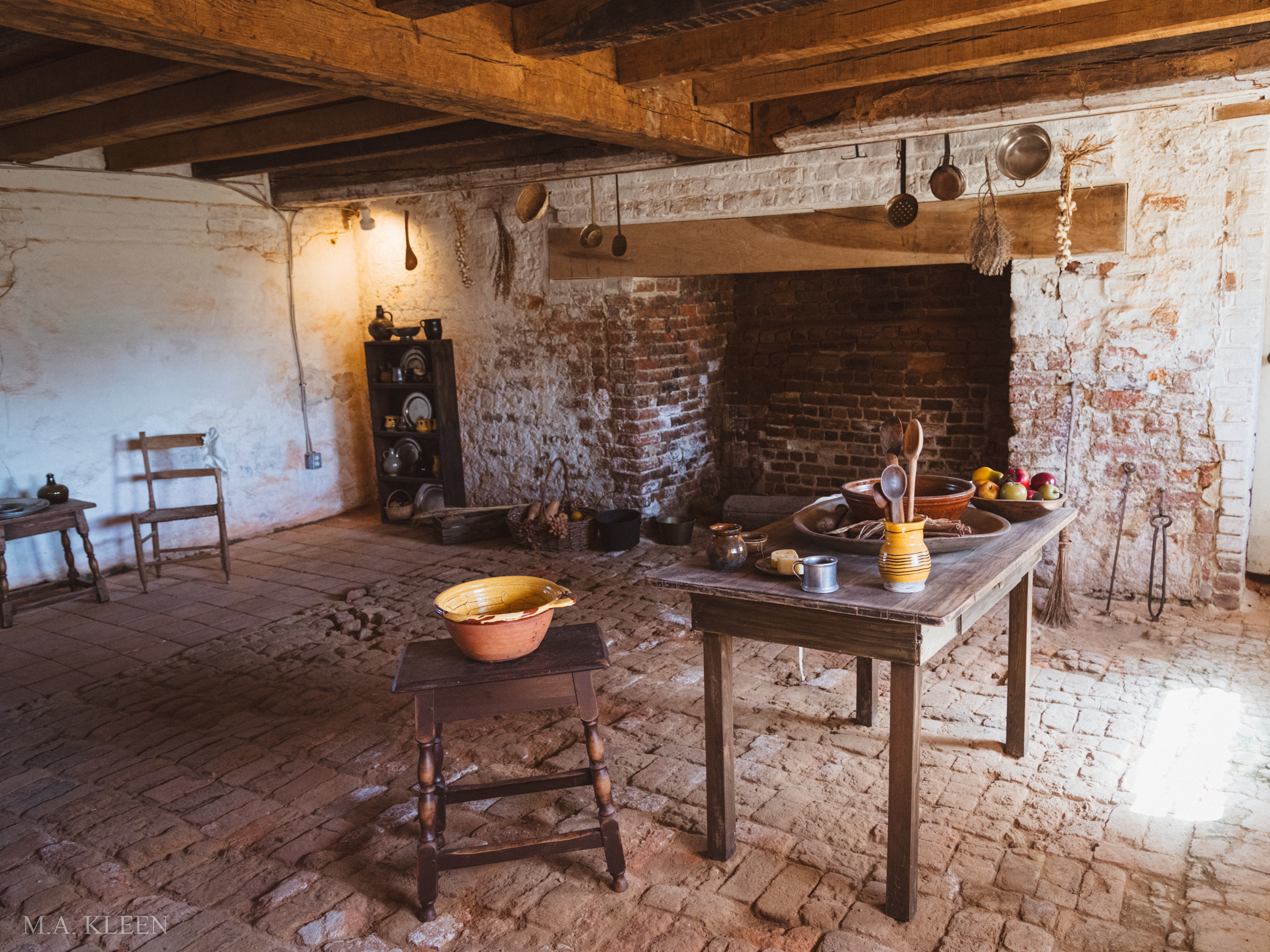
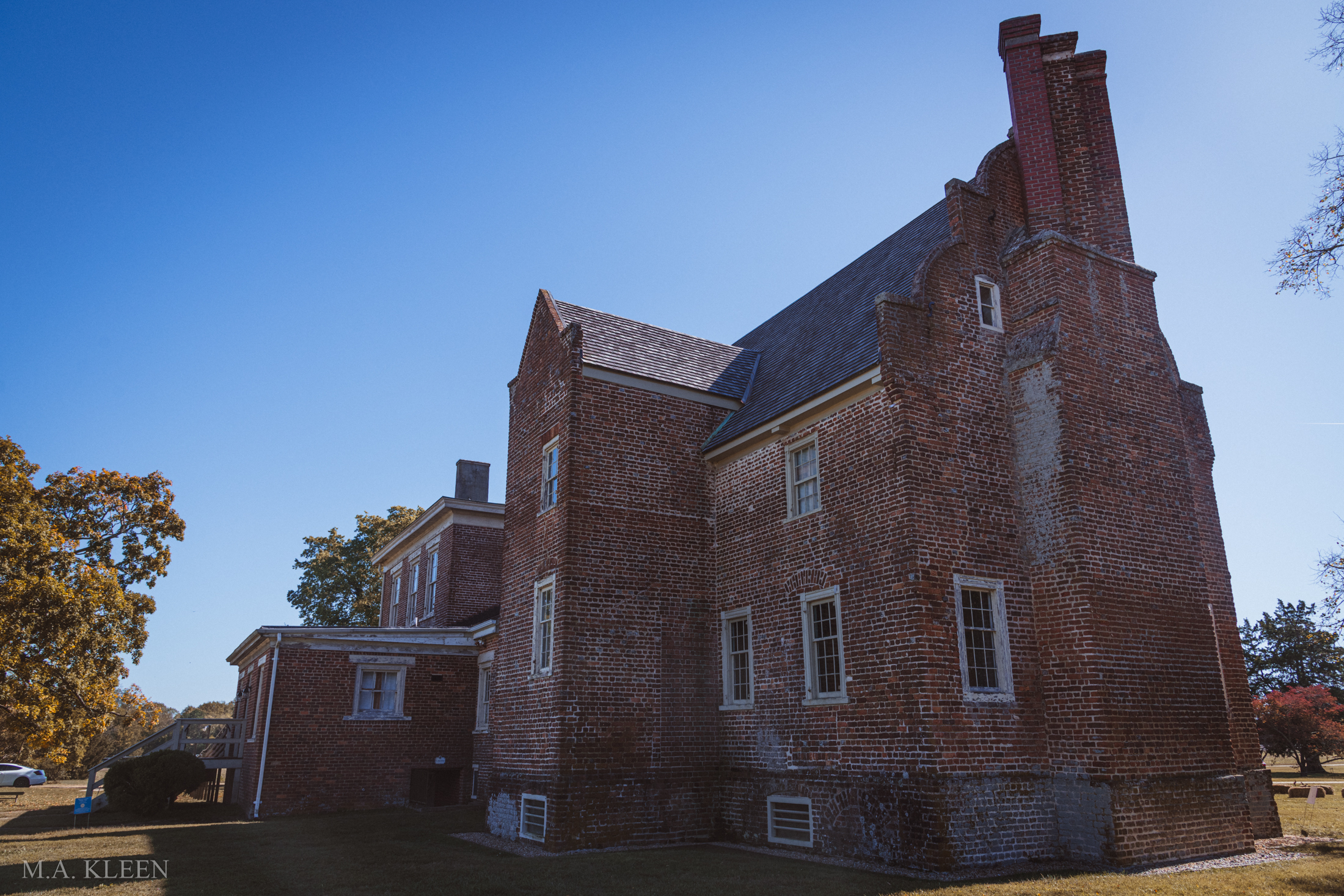
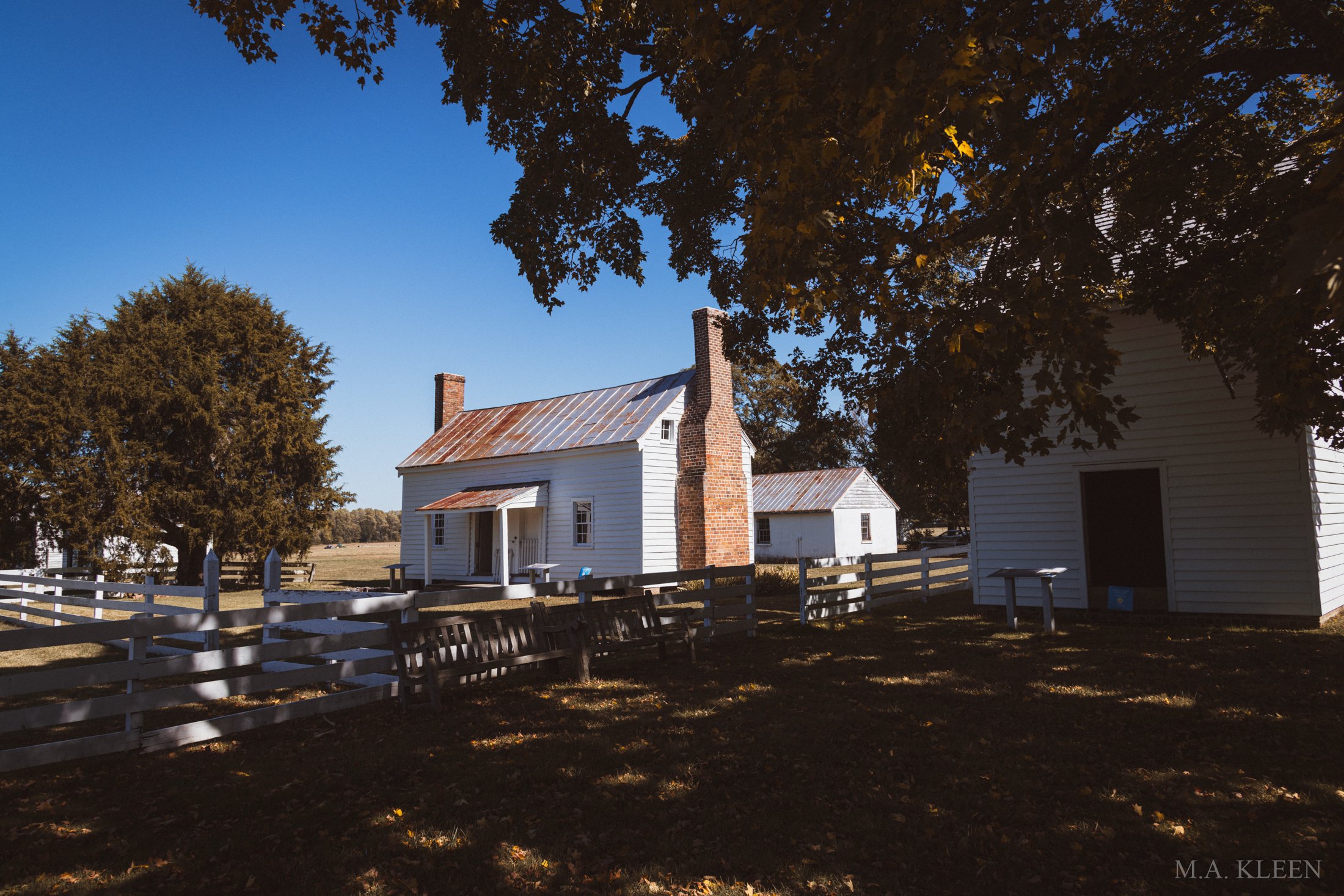
- Bacon’s Castle is the oldest surviving brick dwelling in Virginia, built in 1665, and among the few remaining examples of Jacobean architecture in the Western Hemisphere.
- Nathaniel Bacon never actually lived here. The house was seized by his followers in 1676, and the name “Bacon’s Castle” was added later as a nickname.
- Visitors have reported cold spots, lights turning on by themselves, and a mysterious figure in 17th-century clothing appearing and vanishing on the stairs.
- The property once included one of the earliest formal English-style gardens in North America.
Bacon’s Castle rises from the flat fields of Surry County, Virginia like a relic out of time. Its red brick façade, marked with centuries of wear, contrasts sharply against the bright sky. Tall chimneys and steep gables lend it a fortified silhouette, while the symmetrical windows of a later addition hint at changing tastes layered over the old. The house doesn’t just sit on the land, it commands it.
I stood at the end of the long dirt lane on a still autumn afternoon, and though the light was clear, the house seemed to brood under it, watching in silence.
Built in 1665 and originally known as Allen’s Brick House, the mansion is the oldest documented brick dwelling in Virginia and one of the few surviving examples of Jacobean architecture in the New World. But what sets Bacon’s Castle apart isn’t just the architecture. It’s what happened inside, and what some say still does.
In 1676, during the turmoil of Bacon’s Rebellion, about seventy armed men loyal to Nathaniel Bacon seized the house and held it for three months. The sky had warned of catastrophe. A comet had blazed across the heavens the previous year, followed by a plague of locusts that stripped the land bare.
Colonists whispered omens as passenger pigeons darkened the sky. Then came the bloodshed. Indian raids, political feuds, and a failed rebellion culminated in the burning of Jamestown. Bacon himself died of dysentery shortly after, and his rebellion crumbled. But the scars remained.
The house would stand through centuries of struggle and sorrow, from colonial wars to Civil War romances. Generations passed, but the stories lingered.
There is the tale of Ginna Hankins, the daughter of the home’s Civil War-era owner, who fell deeply in love with the Confederate poet-soldier Sidney Lanier. He called her “Little Brown Bird,” and their time together was a fleeting escape from the war surrounding them. Though they never married, their letters and poems endured. Some say her presence still lingers, pacing the halls in silence, waiting for a reunion that never came.
Then there’s the girl with the candle. Long after the war, a young woman snuck home late from a forbidden tryst, her father disapproving of the boy she loved. Ascending the stairs by candlelight, she tripped. The flame caught her long hair. Rather than scream and reveal her secret, she fled through the cornfield, ablaze, seeking her lover. She died in his arms. Visitors to the Castle still report the scent of singed hair in the hallway or a fleeting glimpse of a flame flickering in the distance with no source.
But not all the phenomena are wistful or benign.
According to L.B. Taylor, Jr., author of Ghosts of Virginia, in the early 1900s, Mrs. Charles Walker Warren described glass shattered without cause, a dictionary hurled across a room, and footsteps pounding overhead where no one walked. A preacher once challenged an unseen presence reading his Bible in the parlor late at night. The red velvet rocking chair began to sway on its own until he shouted scripture into the darkness. Then it stopped.
Others tell of icy touches in warm rooms, voices whispering from the attic, and footsteps pacing in empty halls. One child, barely old enough to speak, asked his father, “Where’s the lady with the white hands?” She had been tickling him, he said, laughing in the dead of night.

Hey, Sleuthhounds!
Imagine you’ve switched places with one of the servants who lived at Bacon’s Castle in the 1700s. What do you see that modern visitors never will? What mystery would you try to solve before returning to your time?
Yet the strangest story, told time and again, is of the floating fireball.
Multiple witnesses over the years have seen a glowing red orb rise from the nearby cemetery of Old Brick Church (aka Lawnes Creek Parish Church) and float silently east towards Bacon’s Castle. It moves deliberately, pulsing in the dark like a living ember. One man said it entered his bedroom, circled his bed, then vanished out the window. A church congregation reportedly witnessed it during a night revival, and some believe it is the spirit of the girl who burned in the cornfield, her blazing hair eternally crossing the grounds.
Others insist it is something darker. Some believe it is the Prince of Darkness himself, or a demon stirred by the rebellion and bloodshed. A legend holds that a servant, overtaken by the orb, was burned alive by it near the house. And though some believe it is linked to a hoard of hidden money, or even a harbinger like the comet of 1675, no scientific explanation has settled the question.
I stood by the churchyard one evening, long after the tour had ended, and the silence was complete. No wind rustled the trees. Yet I could not shake the feeling that something was moving through the air around me, something just out of sight.
You don’t just visit Bacon’s Castle. You carry it with you after you leave.
Donate
Enjoy what you read? Please consider making a one-time donation to support my research.
Enjoy what you read? Please consider making a monthly donation to support my research.
Enjoy what you read? Please consider making a yearly donation to support my research.
Choose an amount
Or enter a custom amount
Your contribution is appreciated.
Your contribution is appreciated.
Your contribution is appreciated.
DonateDonate monthlyDonate yearlySources
Brown, Beth. Haunted Plantations of Virginia. Atglen, PA: Schiffer Publishing, 2009.
Carmichael, Sherman. Mysterious Virginia. Charleston, SC: The History Press, 2022.
Du Pont Lee, Marguerite. Virginia Ghosts. Berryville, VA: Virginia Book Company, 1966.
Hauck, Dennis William. National Directory of Haunted Places. New York: Penguin Books, 2002.
Taylor, Jr., L.B. Ghosts of Virginia, I. Lynchburg: Progress Printing Co., 1993.

 M.A. Kleen
What are your thoughts?