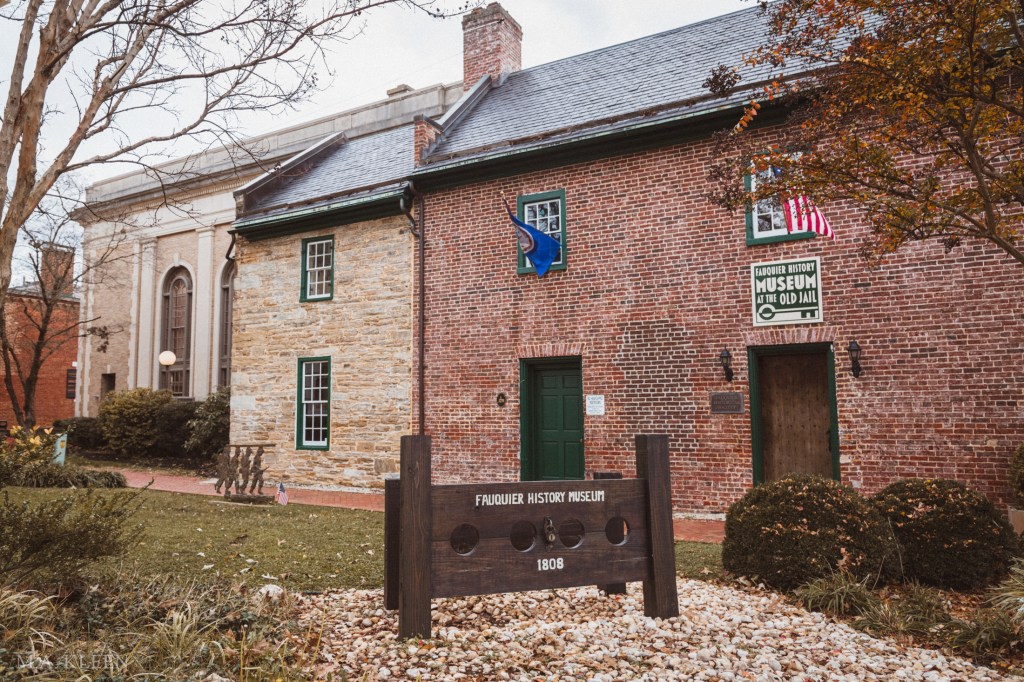
Behind the brick walls of this old jail, history lingers—and so do the dead. From ghostly children and flickering lights to the Lady in White and the restless spirit of a freezing inmate, the Fauquier History Museum is a place where the past refuses to stay silent.
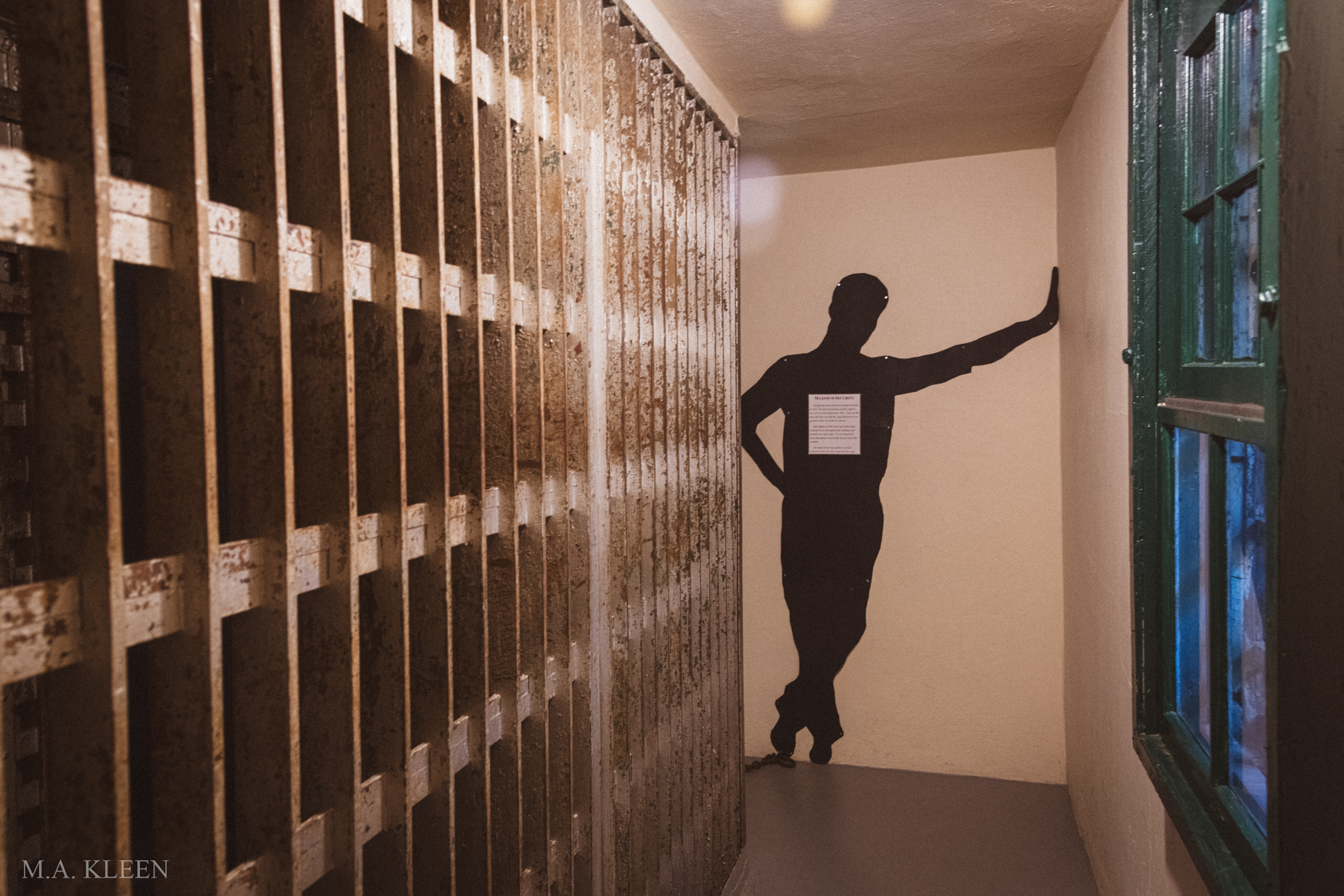
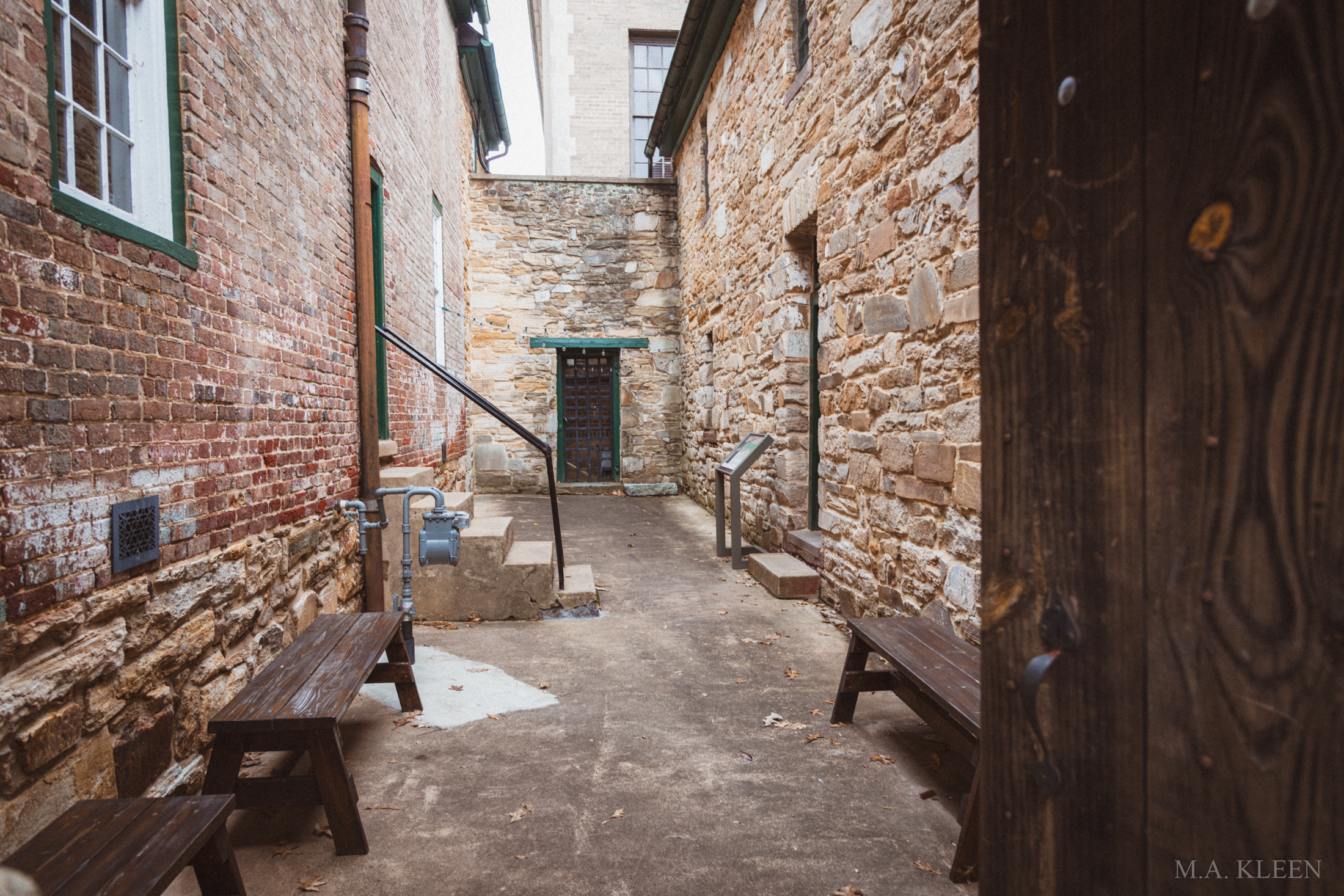
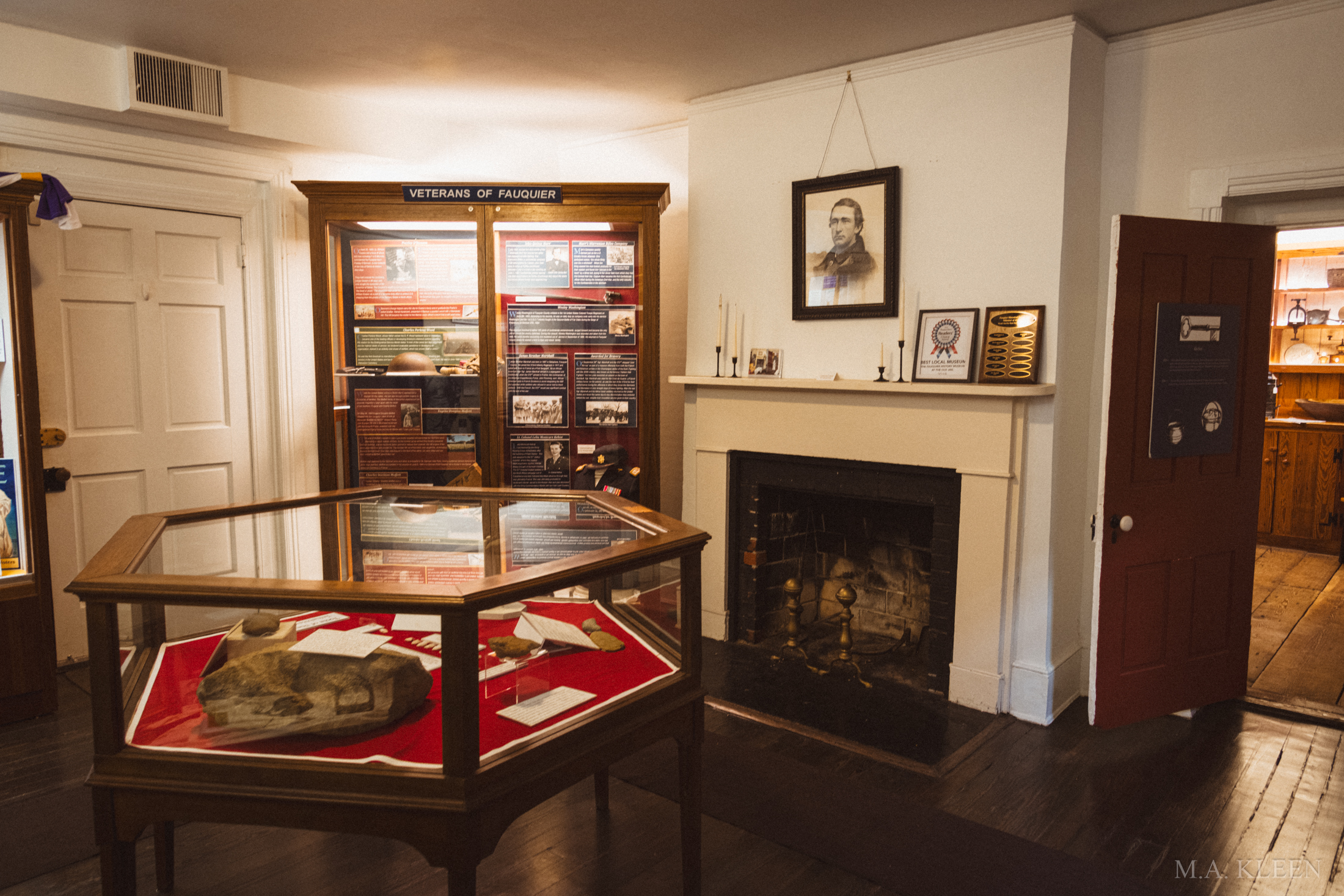
- The jail operated for over 150 years (1808–1966) and includes both the original 1808 jail and a larger 1823 structure, making it one of the longest-functioning jails in Virginia.
- Public executions were held in the jail yard, including hangings that drew large crowds.
- The ghost of a jailer’s daughter, Josie, is said to haunt the museum, often heard laughing or tugging on visitors’ clothing.
- Visitors and ghost hunters report strange activity, including unexplained footsteps, flickering lights, and objects moving on their own, particularly in the oldest part of the jail.
Tucked just off Main Street in Warrenton, Virginia, the red-brick buildings known today as the Fauquier History Museum stand on foundations of fear, loss, and lingering whispers. Once the county’s primary jail from 1808 until 1966, this historic facility now houses local artifacts, but it retains the echoes of its darkest days. I visited on a bright summer afternoon, but even in daylight the silent corridors felt charged, as though the walls themselves remembered centuries of suffering.
Originally constructed in 1808, the smaller jail featured just four cramped cells and a dungeon reserved for the unruliest inmates. By 1823, overcrowding prompted the addition of a larger stone building with new cells, an exercise yard, and a hanging yard where public executions continued until 1896, all amid primitive and often deadly conditions. According to the Virginia Landmarks Register, this is one of the longest-operating jails in the Commonwealth, and it lingered until the county replaced it only in 1966.
Inside these cells, both Union and Confederate soldiers were held during the Civil War. Even Col. John Singleton Mosby, the famous Gray Ghost of partisan ranger fame, was reportedly detained here before being released. Early 19th-century prisoners included debtors forced into cramped, freezing cells without plumbing. Some died of disease or by suicide; others were executed in the yard.
When a modern jail replaced it in 1966, the old buildings were almost demolished, until a local preservation group, now the Fauquier Historical Society, rescued them and converted them into a museum. Listed on the National Register in 1978, the two structures now hold exhibits ranging from jailer’s parlors under the 1808 king to dentist chairs and barber stations installed over time.
But beneath the history, the jail is filled with tales of ghosts. According to Jody Arneson of MidAtlantic Day Trips, staff and visitors report playful ghost children moving objects, disappearing orbs, footsteps, banging doors, and flickering lights. One volunteer known as Seth leads ghost hunts here in the old cells and kitchen, where a “Lady in White” apparition is said to haunt the fireplace hearth where her skirts caught aflame in a tragic accident.

Hey, Sleuthhounds!
Imagine you’ve been hired to design the museum’s next haunted tour. What’s your theme, and which room do you feature first?
The Falconer, Fauquier High School’s student newspaper, reports that the jailer’s daughter Josie, who died of scarlet fever, is seen playing and tugging at sleeves. According to The Falconer’s Catherine Smith, “The former director had many instances where she heard children laughing, and when she went to see where they were, no one was there.”
There is also the ghost of “Mr. McGracken,” who perished in the 1920s from burns and pneumonia. His spirit reportedly enters cells at night, “trying to steal blankets.” In those cells, visitors report being lightly touched, or feeling cold spots and overwhelming dread when alone.
Some have captured blinking lights and EMF spikes, especially in the dark, high-security cells added in the early 1900s. According to MidAtlantic Day Trips, one ghost hunter’s app called out a person’s name in the jailer’s kitchen—despite no one being nearby.
It’s easy to explain why this place unsettles even skeptics. The buildings are old, enclosed by cold stone walls and history. Hanging yards, disease-riddled cells, accidental deaths, and burned children. In other words, this is concentrated human anguish. Sound behaves oddly against brick; dim light and shadows that shift on their own leave room for imagination. No wonder people hear laughter, footsteps, and distant voices.
Now owned by the Fauquier Historical Society, the museum offers daytime history tours and periodic ghost walks after dark. Whether you come for courthouse records or cryptic voices, visiting the Old Jail means stepping into a place where memory is alive, and perhaps something else lives on through it.
Donate
Enjoy what you read? Please consider making a one-time donation to support my research.
Enjoy what you read? Please consider making a monthly donation to support my research.
Enjoy what you read? Please consider making a yearly donation to support my research.
Choose an amount
Or enter a custom amount
Your contribution is appreciated.
Your contribution is appreciated.
Your contribution is appreciated.
Sources
Allshouse, Frances A. R. and Andrew B. Allshouse. Ghosts of the Old Jail. Middletown: By the author, 2013.
Arneson, Jody. “Old Fauquier Jail: Doing Time with the Spirits.” MidAtlantic Daytrips, October 1, 2022.
Hauck, Dennis William. National Directory of Haunted Places. New York: Penguin Books, 2002.
Smith, Catherine. “The Hauntings of the Old Jail.” The Falconer (Warrenton, VA) 1 November 2019.
Taylor, L.B., Jr. The Ghosts of Fredericksburg …and nearby environs. Lynchburg: Progress Printing Co., 1991.


 M.A. Kleen
What are your thoughts?