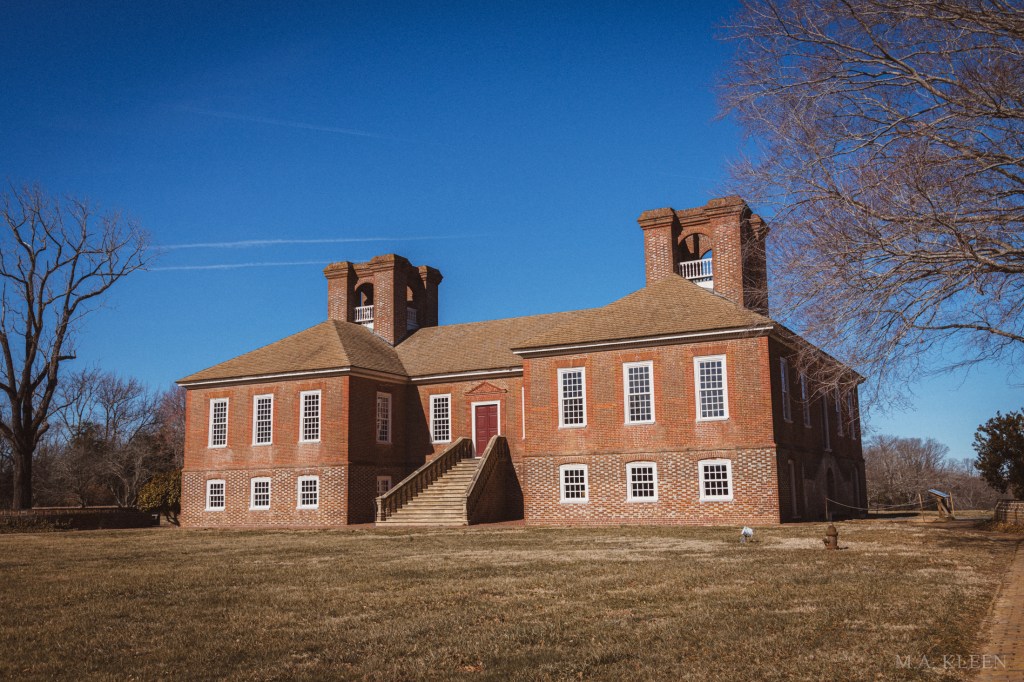
Stratford Hall may be among Virginia’s most elegant colonial estates, but behind its brick walls and beneath its polished floors, something stirs. From ghostly children and vanishing figures to icy air and unseen hands, the Lees may have left Stratford—but not all of them are resting.
- Stratford Hall was the birthplace of Robert E. Lee, but it was also home to two signers of the Declaration of Independence—Richard Henry Lee and Francis Lightfoot Lee.
- The estate was built using locally sourced oyster shell mortar, a colonial technique that helped preserve the brickwork for over 280 years.
- Multiple visitors and staff have reported ghostly encounters, including phantom footsteps, doors opening on their own, and the apparition of a man in colonial dress roaming the halls.
- “Light-Horse Harry” Lee was a Revolutionary War hero and early governor of Virginia, but he died in poverty after being imprisoned for debt. His complicated legacy still haunts the estate, both historically and (some say) spiritually.
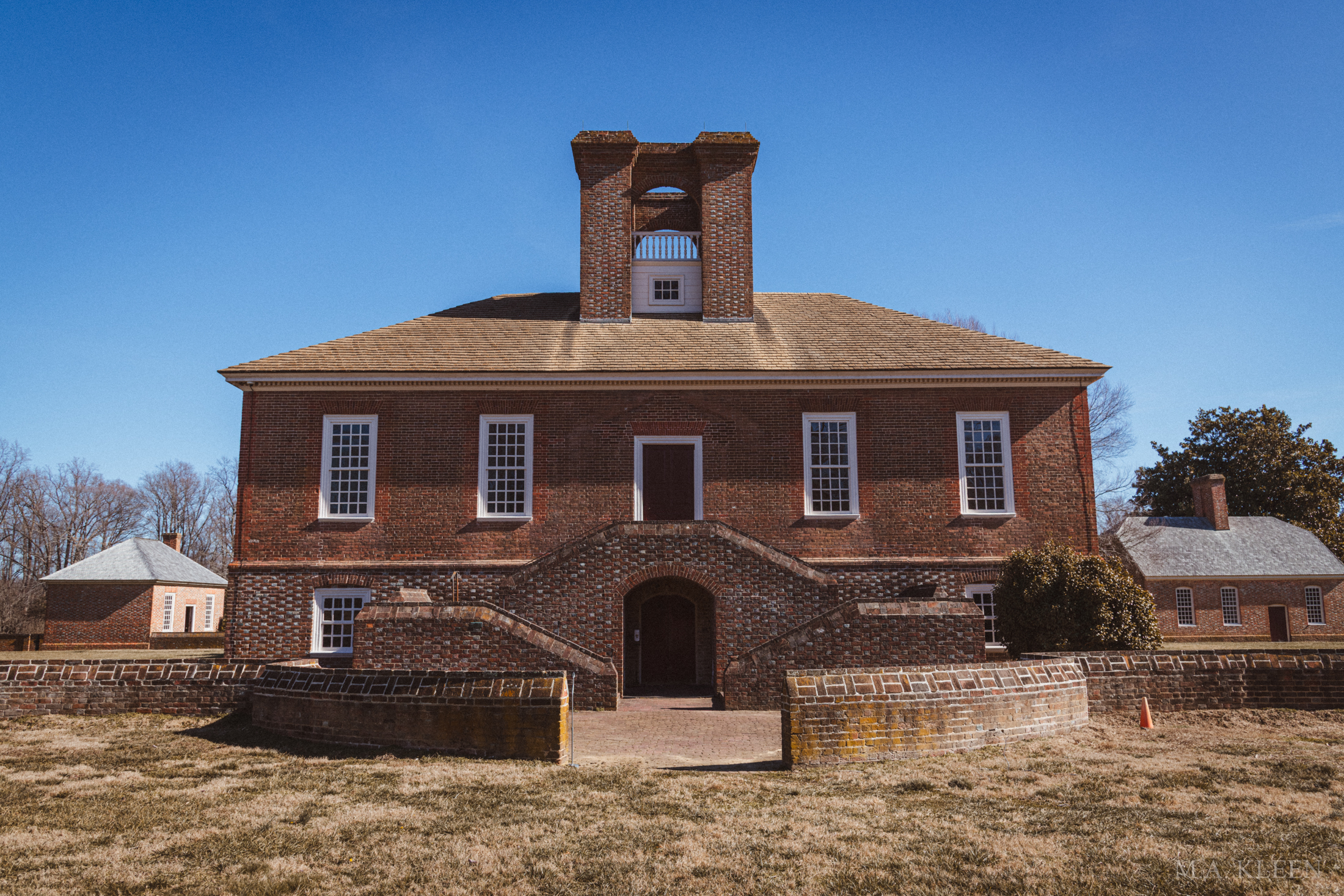
Perched on a high bluff above the Potomac River in Westmoreland County, Virginia, Stratford Hall stands as one of the grandest colonial homes in the country. Built in the 1730s by Thomas Lee, once home to two signers of the Declaration of Independence, and the birthplace of Robert E. Lee, the mansion’s red brick walls seem steeped in the memory of the American story. But for all its elegance, Stratford carries something else as well. Something quieter. And colder.
I visited Stratford Hall not just to admire its Georgian symmetry or stroll its sweeping lawns, but because of what people whisper about the place. While tour guides mostly focus on the Lee family’s political and military legacy, the house holds a different reputation among those who’ve worked the grounds after hours, or spent time in the dim corners where portraits don’t quite seem to sit still. Stratford Hall may be a historical gem, but it is also one of Virginia’s most persistently haunted places.
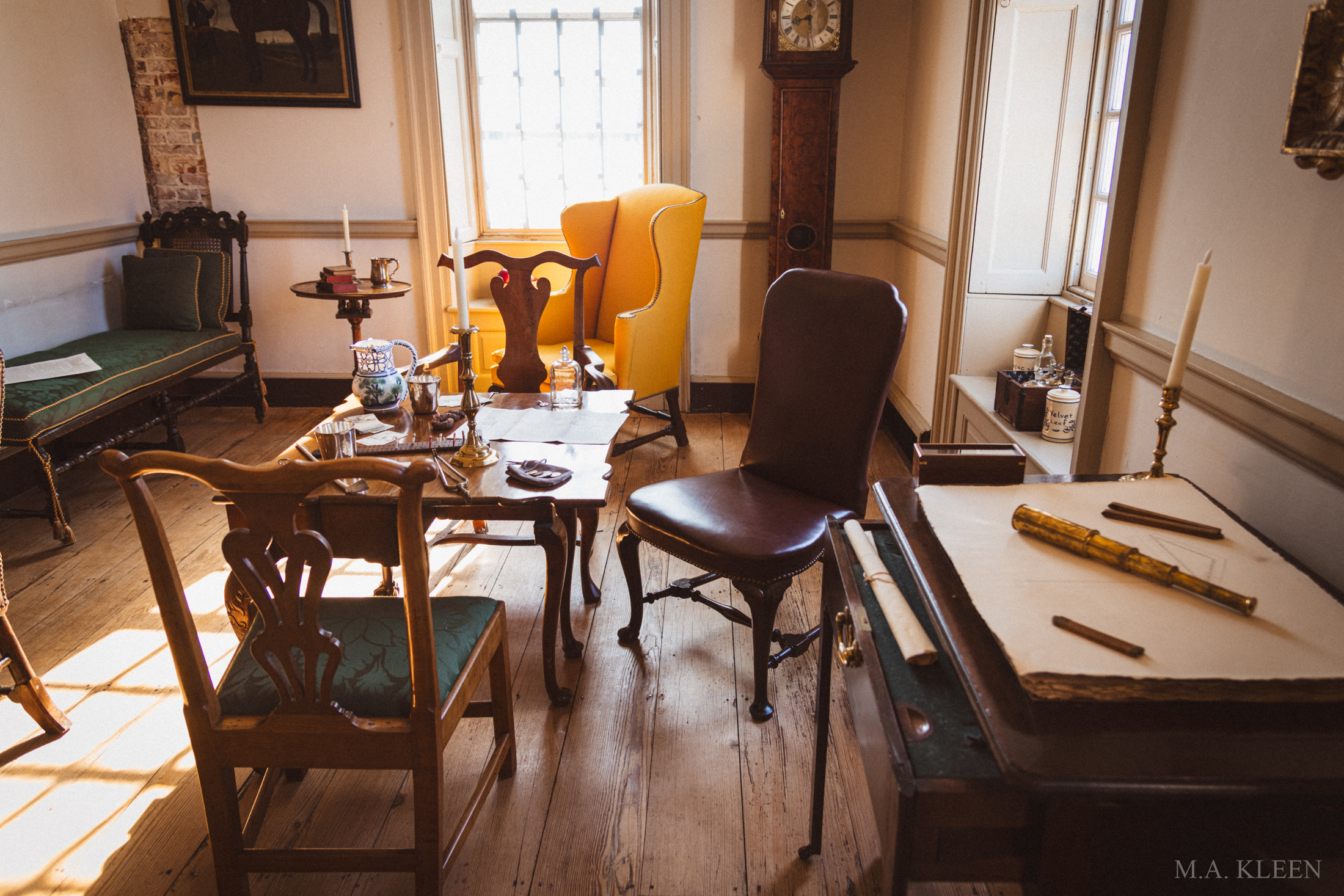
Some of the earliest ghost stories center around the main house itself. A former staff member once saw what she believed was a man seated at a desk in the library, calmly reviewing papers. She politely backed out so as not to disturb him, only to discover moments later that no one else had been in the room. Another guide, dressed in full period costume, felt a sharp tug at the hoop of her colonial skirt. Twice. She had been alone.
A psychic visiting the house described seeing a gathering of Lees in the second-floor great hall, dancing and laughing as music played. On her way up the lawn, she saw a game of croquet in full swing. Whether imagination or insight, she claimed the spirits of Stratford were at peace and pleased with how the estate was being cared for. Others have not been so reassured.
One former hostess described a dark winter afternoon when she led a tour group through the upper west wing of the house. Out of the corner of her eye, she saw a woman and small child in gray and red cloaks standing silently in the corner. She assumed they were guests—until she realized no one else had seen them, and her colleague downstairs insisted she had never left her post.
The woman believes she saw Ann Lee, wife of “Black Horse Harry” Lee, and their daughter Margaret, who died tragically at the age of two after falling down the stairs in 1820. Other staff members have heard Ann calling out to the child, followed by the sound of little footsteps and laughter echoing through the halls.

Hey, Sleuthhounds!
Imagine you’ve been assigned to stay in Stratford Hall overnight—alone. Around 2:00 a.m., you hear a loud knock on the front door, even though the grounds are locked. What do you do?
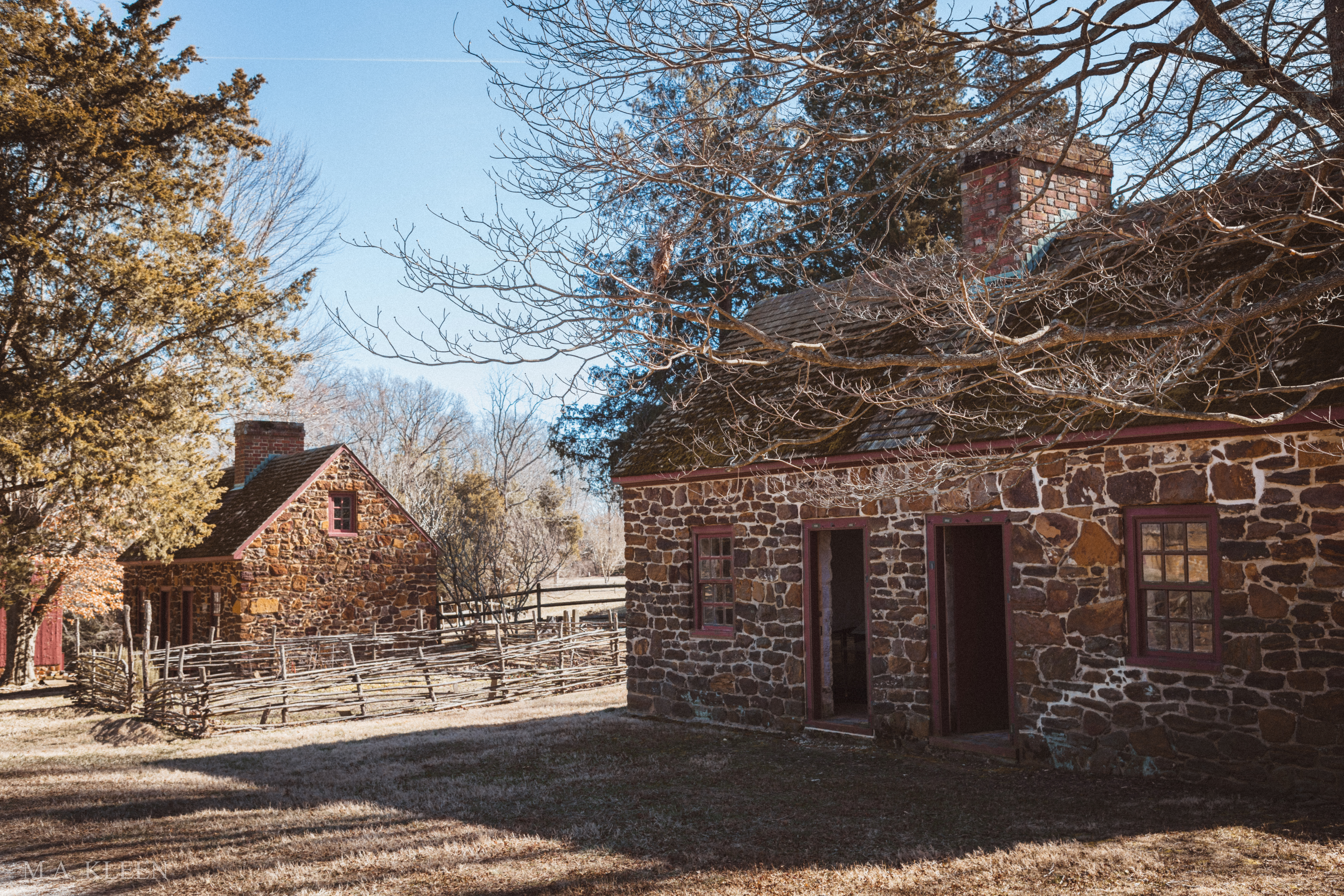
The main house is not the only structure where spirits are said to stir. The dependency buildings, particularly the southwest one, have long been considered the center of the most intense activity. Security officers who patrol the estate at night have reported hearing heavy furniture being dragged across wooden floors, footsteps on the second level, and the unmistakable rustle of skirts and petticoats brushing against tables and chairs. Yet when they investigate, nothing is ever out of place.
One officer saw his arm lifted by an invisible force while sitting alone in the dependency. Another time, a book he had been reading disappeared while he stepped away. Perhaps most unsettling, both officers have independently reported seeing a young boy in colonial clothing—purple trousers and a pale shirt—wandering the road or buildings, only to vanish when approached. They believe he is the spirit of Phillip Ludwell Lee’s son, who died at age four after a fall down the stairs in 1779. He was to inherit Stratford. Instead, he remains its most elusive resident.
One of the most dramatic encounters came from a historical craftsman who had been invited to spend the night in the southwest dependency during a weekend event. After lighting six candles for light, he was struck by an unnatural wave of freezing air.
Then came the thunderous banging in the sealed chimney. The candles went out one by one, as if pinched by invisible fingers. He fled the room and refused to return that night. The next morning, the air was still cool, but whatever had been there had gone. He returned to Stratford two years later, but refused to sleep in that room again.
Stratford Hall wears its grandeur well, but its past has a chilling hold. The house has known triumph and tragedy—political ambition, family ruin, war, and the loss of children. It was here that young Robert E. Lee took his first steps before his family was forced to abandon the estate due to debt. Perhaps that is why his spirit, if it walks at all, is said to visit this place, not the battlefields where he made his name.
Whether you come for the history, the architecture, or the chance to glimpse something just beyond the veil, Stratford Hall offers more than a beautiful view of the Potomac. It offers echoes. Some from the past. Some from somewhere else.
Donate
Enjoy what you read? Please consider making a one-time donation to support my research.
Enjoy what you read? Please consider making a monthly donation to support my research.
Enjoy what you read? Please consider making a yearly donation to support my research.
Choose an amount
Or enter a custom amount
Your contribution is appreciated.
Your contribution is appreciated.
Your contribution is appreciated.
Sources
A Guide to Stratford Hall Plantation and the Lees of Virginia. Robert E. Lee Memorial Association, 2004.
Armes, Ethel. Stratford Hall: The Great House of the Lees. Richmond: Garrett and Massie, Inc., 1936.
Coleman, Christopher K. Dixie Spirits: True Tales of the Strange and Supernatural in the South. Nashville, TN: Cumberland House Pub., 2008.
Hauck, Dennis William. National Directory of Haunted Places. New York: Penguin Books, 2002.
Taylor, L.B., Jr. Ghosts of Virginia, I. Lynchburg: Progress Printing Co., 1993.
Taylor, L.B., Jr. The Ghosts of Fredericksburg …and nearby environs. Lynchburg, VA: Progress Printing Co., 1991.


What are your thoughts?