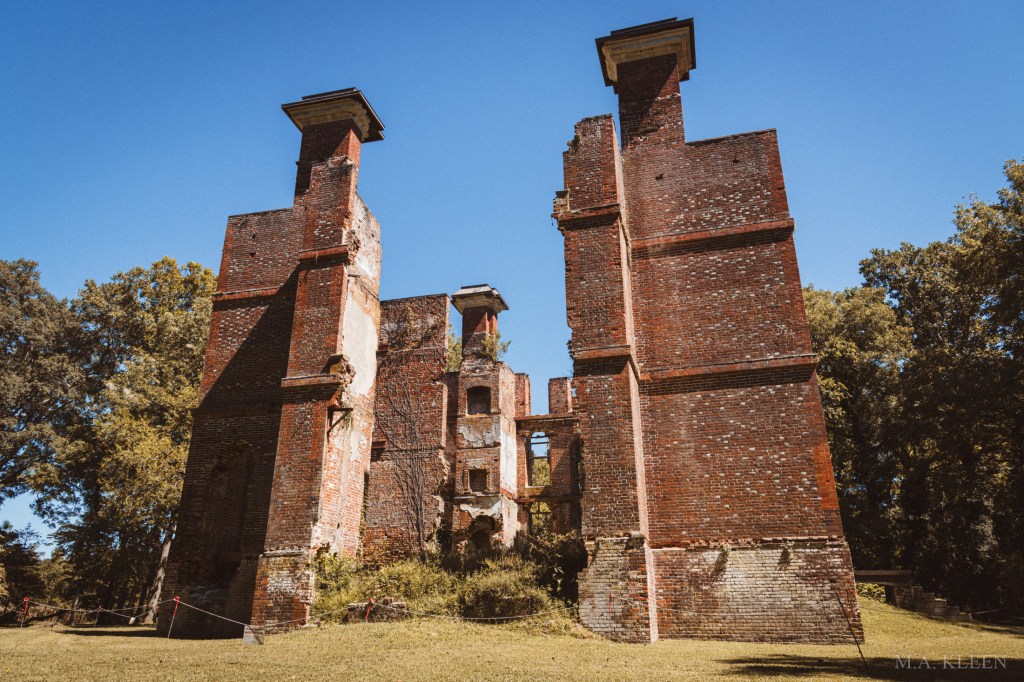
Once the grandest mansion in colonial Virginia, Rosewell now stands in ruin—but not in silence. From spectral music and vanishing guests to the infamous Lady in Red, these haunted ruins echo with the secrets of a family’s rise, fall, and ghostly legacy.
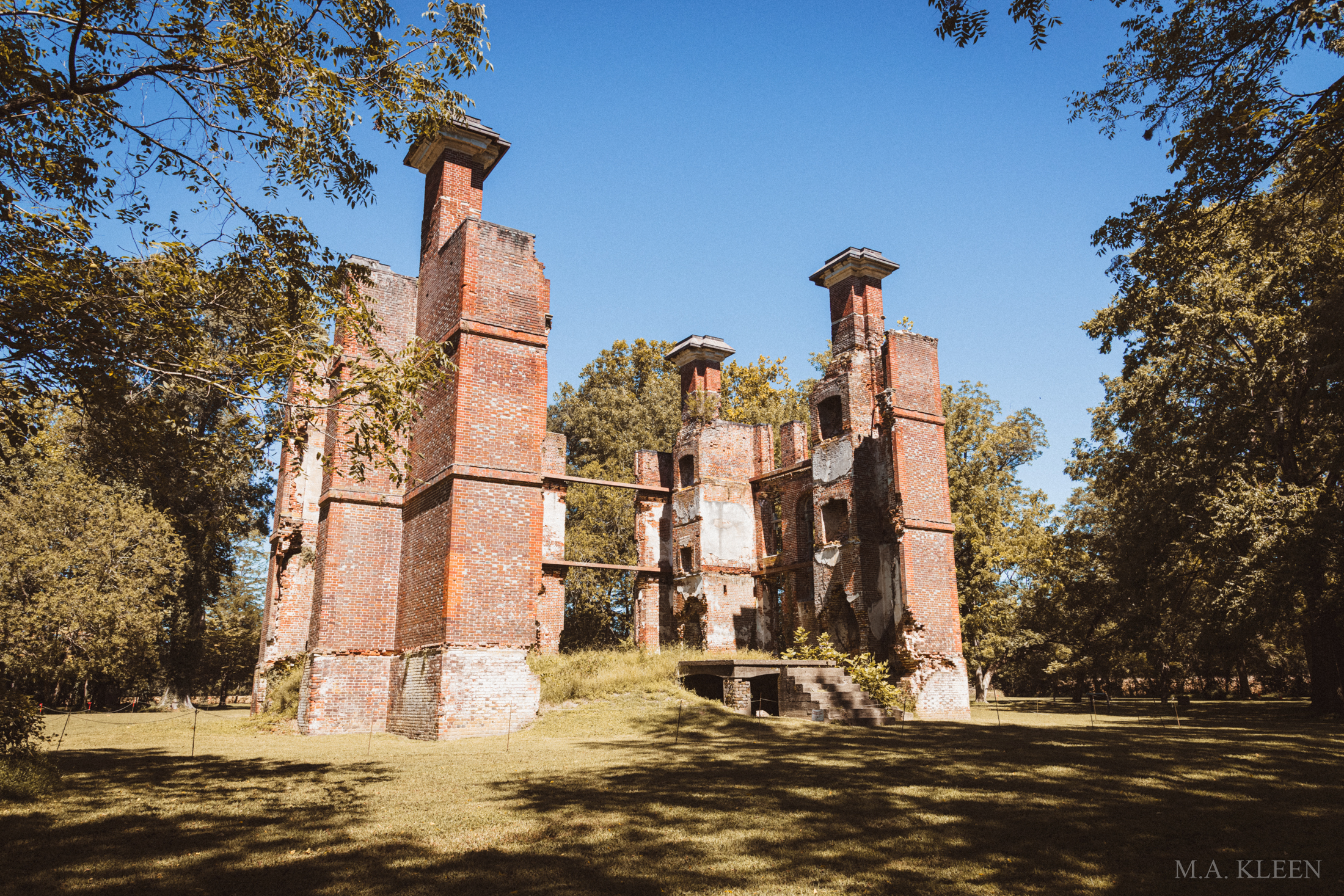
- Rosewell was once the grandest mansion in colonial Virginia, boasting 35 rooms, imported glass from England, and a staircase wide enough for eight people to walk side by side.
- Thomas Jefferson was a frequent guest at Rosewell, and according to legend, he even drafted portions of the Declaration of Independence in its now-vanished Blue Room.
- Visitors have reported hearing spectral music echoing from the chimneys, as if a colonial ball were still being held inside the crumbled walls.
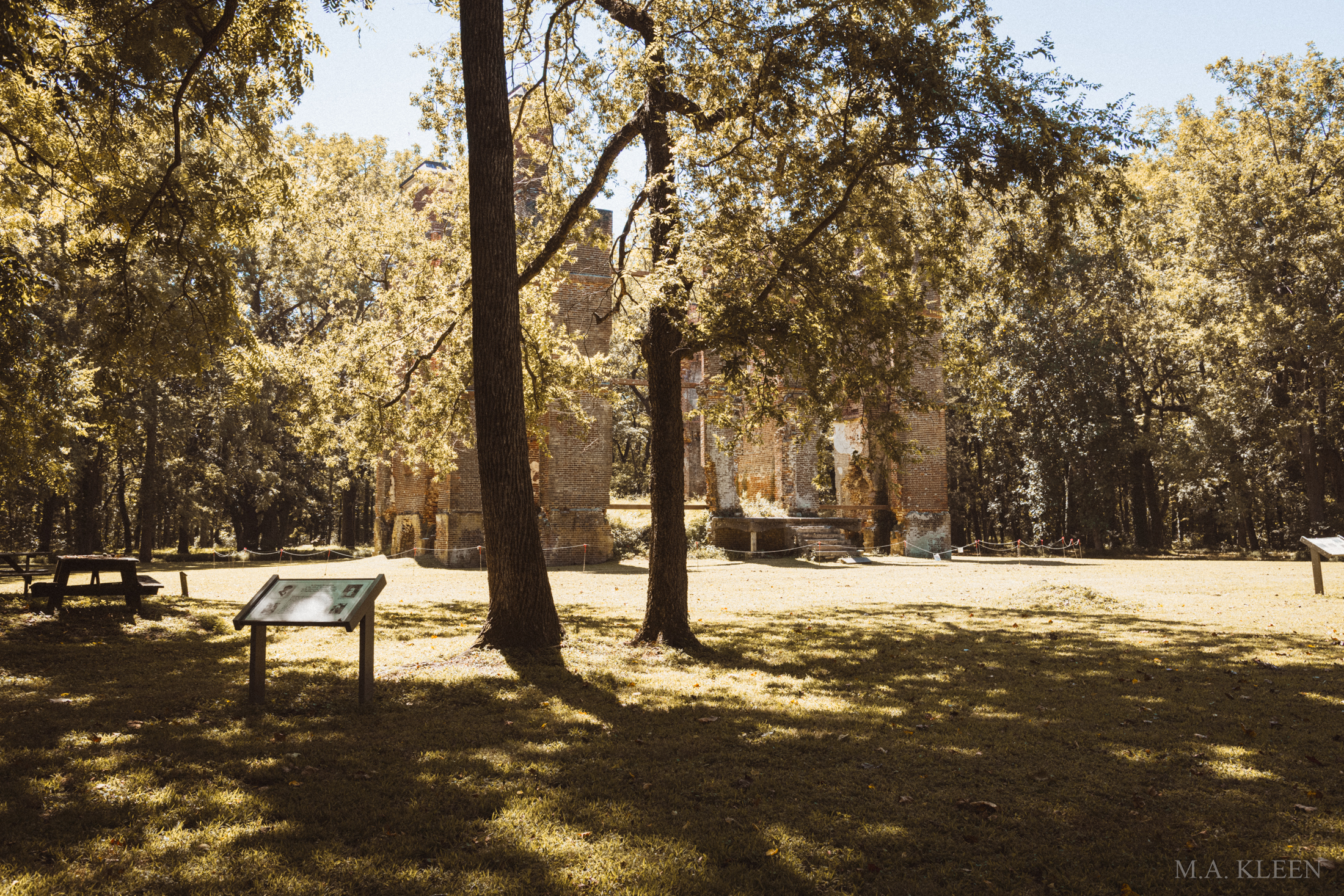
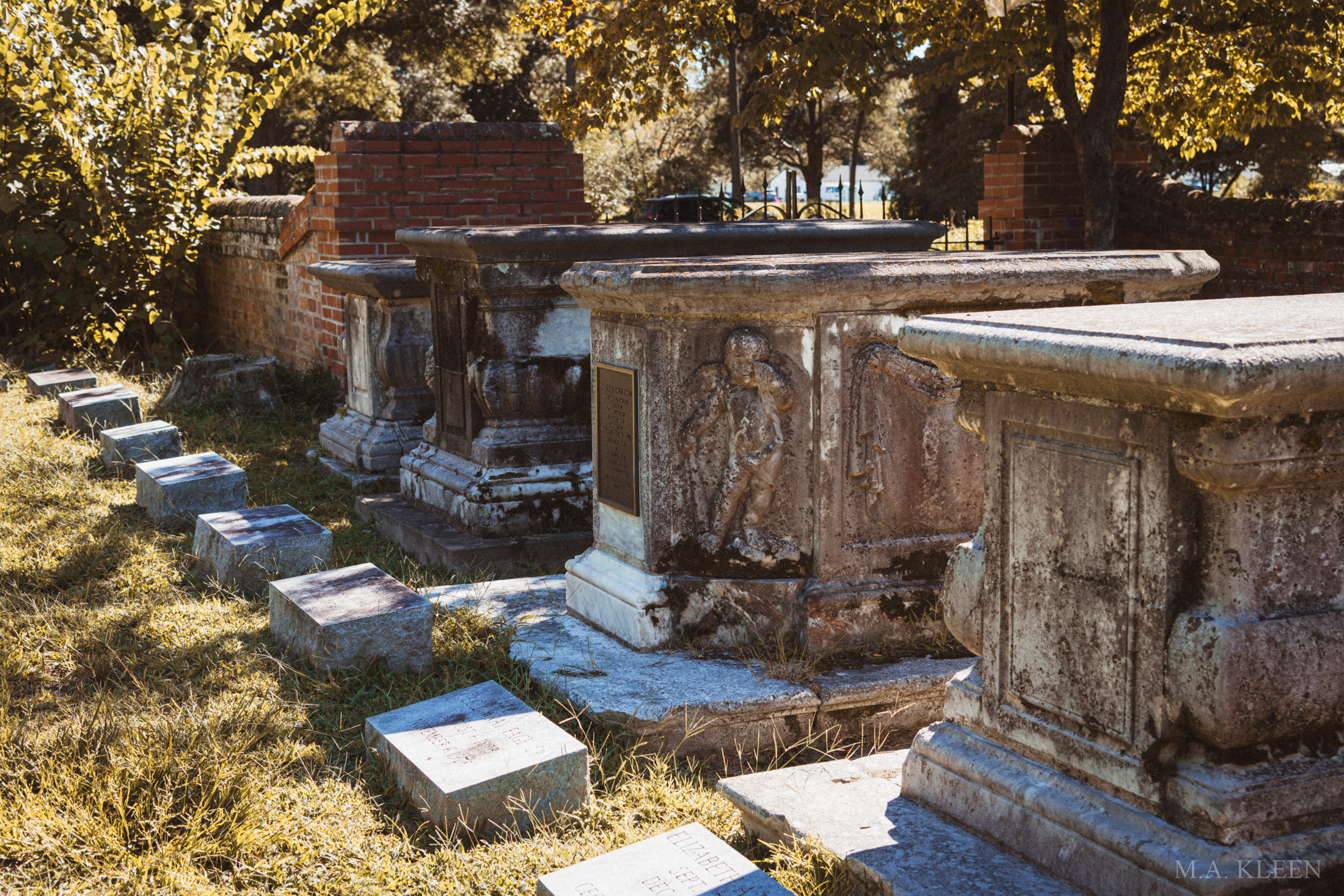
- Though destroyed by fire in 1916, you can still visit the ruins and mansion grounds.
Tucked away in the quiet countryside of Gloucester County, Virginia, the rose-red brick skeleton of Rosewell still looms with eerie grandeur. Once hailed as the finest colonial mansion in America, this 18th-century estate built by Mann Page in 1725 was more than just a monument to wealth, it was a stage upon which triumph, tragedy, and lingering spirits have played out for centuries.
The house itself was a marvel: four stories tall, 35 rooms, white marble casements, carved wood paneling, and a staircase so wide eight people could walk abreast. According to author L.B. Taylor, Jr., its grandeur rivaled the Governor’s Palace in Williamsburg. But even before the first guests arrived, misfortune cast its shadow. Mann Page died before construction was complete, his body laid out in the grand hall before the family ever moved in.
This set the tone for what many believe is a cursed lineage. His son, Mann Page II, inherited not just the estate but also a mountain of secret debt. The younger Page tried to mask his financial ruin with opulence, entertaining the likes of Thomas Jefferson, who is rumored (though unproven) to have drafted a portion of the Declaration of Independence in the infamous Blue Room.
That room, in particular, carries a disturbing legacy. According to Beth Brown, author of Haunted Plantations of Virginia (2009), a runaway slave once died mysteriously while imprisoned there overnight. His death, likely the result of injuries or abuse, left behind a pall of superstition. Later generations avoided the room altogether, though Jefferson himself supposedly sought solitude within its walls.

Hey, Sleuthhounds!
Imagine walking the halls when the mansion was whole. What room would you want to explore first, and why?
But Rosewell’s hauntings stretch far beyond its architecture. The Lady in Red is perhaps its most famous apparition—a spectral woman often glimpsed running from the ruined staircase into the woods. Her identity is a mystery, though some speculate she could be Letitia Dalton, a scandalous figure from nearby Paynton Plantation. As Taylor recounts, Letitia was rumored to have orchestrated her sister’s death and later drove her husband to a fatal fall. Her ghost is said to have migrated to Rosewell after Paynton burned during the Civil War.
Visitors to the ruins tell of spectral music drifting from the chimneys as though violins and harpsichords still play for vanished balls, and ghostly boys lighting lanterns at the entrance as if awaiting long-dead guests. One local man, Ronnie Miles, had a match struck from his hand by a thrown brick while exploring a cellar believed to have once imprisoned a slave. He never returned.
Jumpy visitors have been known to scare themselves on occasion. Beth Brown recounts a story from Rosewell’s Executive Director about a woman who claimed to see a ghostly figure in a vintage car parked at the ruins. When the startled couple returned moments later, the car and the woman had vanished. Later, it was revealed the car belonged to a caretaker’s relative who had hidden behind the dashboard to avoid being seen, then quietly driven off.
A ghost-hunting group described seeing a floating black figure near the site and later found dew-covered impressions of a baby’s hand and a man’s hand, which was missing an index finger, on their car window. Even hardened skeptics have reported an overpowering sense of being watched, strange lights, and equipment malfunctions—like a camera that refused to work near the cellar until mysteriously fixing itself once the photographer backed away.
Today, Rosewell is a stabilized ruin open for public visits. It remains an evocative window into Virginia’s colonial past, and a magnet for those seeking to glimpse its ghostly legacy. Whether you believe in spirits or not, the site exudes a palpable atmosphere charged with sorrow, memory, and maybe something else.
Donate
Enjoy what you read? Please consider making a one-time donation to support my research.
Enjoy what you read? Please consider making a monthly donation to support my research.
Enjoy what you read? Please consider making a yearly donation to support my research.
Choose an amount
Or enter a custom amount
Your contribution is appreciated.
Your contribution is appreciated.
Your contribution is appreciated.
DonateDonate monthlyDonate yearlySources
Brown, Beth. Haunted Plantations of Virginia. Atglen, PA: Schiffer Publishing, 2009.
Hauck, Dennis William. National Directory of Haunted Places. New York: Penguin Books, 2002.
Kinney, Pamela. Virginia’s Haunted Historic Triangle. Atglen, PA: Schiffer Publishing, 2019.
Southall, Richard. Haunted Plantations of the South. Woodbury, MN: Llewellyn Publications, 2015.
Taylor, Jr., L.B. Ghosts of Virginia, I. Lynchburg: Progress Printing Co., 1993.

 M.A. Kleen
What are your thoughts?