Discover the hidden stories behind the South’s most iconic landmarks, where immigrants’ craftsmanship and cultures shaped the architecture, traditions, and spirit of the region. From cobblestone streets to soaring spires, these cultural crossroads reveal a history as intricate as the designs they left behind.
The South, with its rich tapestry of tradition and history, owes much of its identity to the contributions of immigrants. These individuals brought with them unique skills, architectural styles, and cultural practices that have left an indelible mark on the region’s most iconic landmarks. From bustling port cities to quiet plantations, the influence of immigrants shaped the South into the cultural crossroads it remains today.
Let’s journey through some of the South’s most celebrated landmarks and explore how immigrant communities helped build, design, and define them. Their stories weave together a fascinating narrative of collaboration, resilience, and creativity that continues to resonate.
The French Legacy in New Orleans
New Orleans is perhaps the South’s most vivid example of cultural fusion, and much of that can be traced back to its French founders. Established in 1718 by French colonists, the city quickly became a melting pot, drawing immigrants from Spain, the Caribbean, and beyond. This blending of cultures is most evident in the architecture of the French Quarter, where wrought-iron balconies, pastel facades, and lush courtyards reflect a distinctly European influence.
Take the Cabildo, for instance. This historic building, which now serves as a museum, was originally constructed in the late 18th century under Spanish rule, but its design reflects the French Creole style that dominates the area. Immigrant architects and artisans worked hand-in-hand, crafting a structure that seamlessly blends Old World elegance with New World materials.
As you wander the streets of New Orleans, it’s impossible not to feel the presence of its immigrant roots. From the Creole townhouses to the lively strains of jazz—an art form born from African, Caribbean, and European influences—the city is a living testament to what happens when cultures collide and create something entirely unique.
Irish Hands Behind Savannah’s Beauty
Savannah, Georgia, known for its picturesque squares and stately homes, owes much of its character to Irish immigrants. During the 19th century, Savannah became a haven for Irish workers fleeing famine and hardship. Many of them found employment in the construction of the city’s infrastructure, including its iconic cobblestone streets and historic buildings.
The Cathedral Basilica of St. John the Baptist, a stunning example of Gothic Revival architecture, stands as a symbol of the Irish Catholic community’s influence. Built in the late 19th century, the cathedral’s soaring spires and intricate stained glass windows were crafted with the dedication and skill of Irish artisans. The annual St. Patrick’s Day Parade, one of the largest in the country, further underscores the lasting impact of Irish culture on Savannah.
Walking through Savannah’s streets, you can almost hear the echoes of those who toiled to lay its foundation, their legacy etched into every brick and stone.
The German Influence on Charleston
Charleston, South Carolina, often called the “Holy City” for its abundance of churches, showcases another chapter in the South’s immigrant story. German immigrants arrived in the 18th and 19th centuries, bringing with them a strong work ethic and an eye for craftsmanship.
One of Charleston’s most iconic landmarks, the St. Matthew’s Lutheran Church, is a tribute to the city’s German community. Its Gothic spire, visible for miles, is a masterpiece of immigrant design. German artisans were also instrumental in the city’s ironwork, crafting the intricate gates and railings that adorn many historic homes.
The contributions of Charleston’s German community extended beyond architecture. They introduced traditions like beer brewing, which still thrives in the city today, blending seamlessly into Charleston’s culinary and cultural landscape.
Italian Artistry in Southern Mansions
The antebellum mansions of the South are celebrated for their grandiose architecture and elaborate details, many of which were made possible by the skilled hands of Italian artisans. Immigrant stonemasons, sculptors, and craftsmen brought a level of artistry that elevated these homes into works of art.
One shining example is the Bellingrath Gardens and Home in Theodore, Alabama. While primarily known for its stunning gardens, the estate’s Mediterranean-style architecture reflects the influence of Italian design. Immigrant labor played a crucial role in constructing the home’s ornate columns, tile work, and fountains, showcasing their unparalleled craftsmanship.
These artisans not only left their mark on the physical structures but also enriched the cultural fabric of the South, introducing techniques and aesthetics that remain admired to this day.
Spanish Influence in Florida
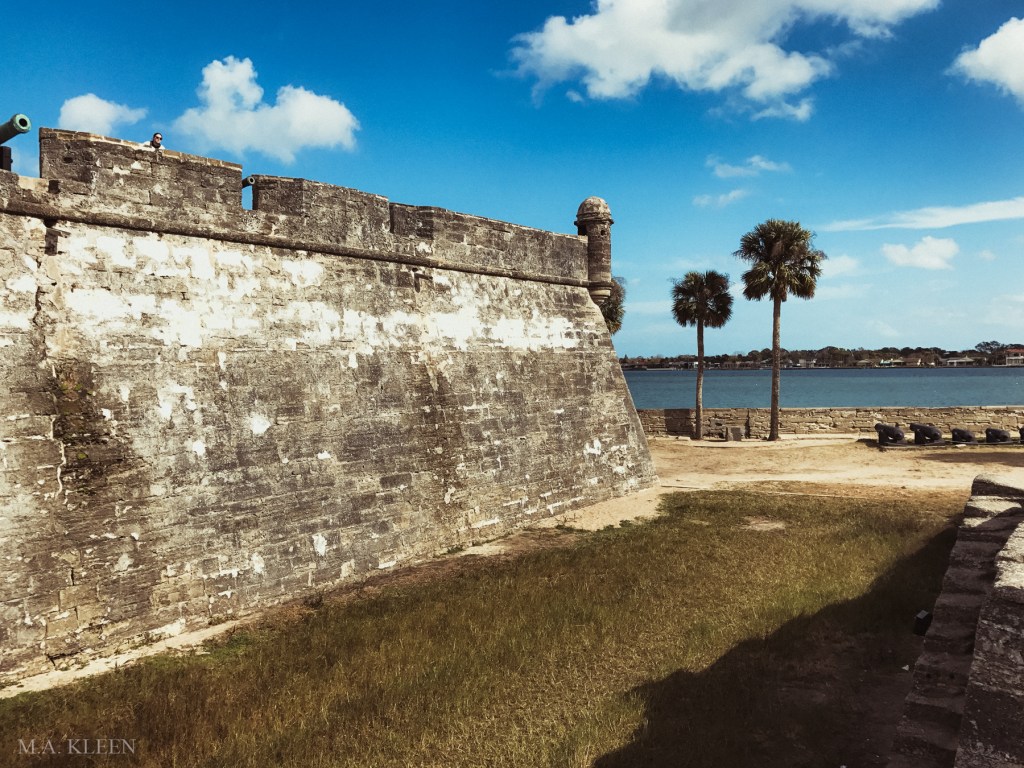
Florida, long a gateway to the Americas, has deep Spanish roots that can be traced back to its earliest settlers. Cities like St. Augustine, founded in 1565, showcase Spanish influence in their architecture, cuisine, and culture. The Castillo de San Marcos, the oldest masonry fort in the continental United States, is a testament to this legacy.
Built by Spanish engineers in the 17th century, the fort’s coquina walls have withstood centuries of attacks and hurricanes, a feat of both design and endurance. Today, it stands as a symbol of resilience and a reminder of the ingenuity brought by Spanish settlers to the South.
The South’s iconic landmarks are more than just beautiful structures; they are repositories of immigrant stories. Each stone laid, each beam raised, and each intricate detail tells a tale of people who came from afar, bringing their skills, dreams, and traditions with them. These immigrants didn’t just shape the physical landscape—they enriched the cultural identity of the South, creating a mosaic of influences that continues to inspire.
As you explore these landmarks, take a moment to appreciate the hands that built them and the stories they carry. In their artistry and endurance, you’ll find the essence of what makes the South so extraordinary: a place where cultures converge and leave their mark on history.


What are your thoughts?