Explore how suburban gothic horror—from Desperate Housewives to American Beauty—unmasks the dark consequences of gendered expectations, where women are trapped by perfection and men by repression, turning domestic bliss into a chilling nightmare.
Suburbia, with its perfectly manicured lawns and idyllic homes, was once heralded as the pinnacle of the American Dream. Yet, in suburban gothic horror, this dreamscape turns nightmarish, exposing the fragility of its polished exterior. Central to this genre’s unsettling stories are the roles and expectations imposed on men and women.
Through characters navigating the oppressive forces of conformity and perfection, suburban gothic horror critiques traditional gender roles and their darker consequences. From the “perfect” housewives of Desperate Housewives to the repressed rage of men like Lester Burnham in American Beauty, gender dynamics are woven into the heart of this genre’s most chilling tales.
The “Perfect Housewife” as Prisoner
The suburban gothic often begins with the archetype of the perfect housewife, a figure who embodies domestic tranquility while concealing deep personal turmoil. In Desperate Housewives (2004–2012), Wisteria Lane’s picturesque neighborhood hides secrets of betrayal, murder, and despair. The series opens with the shocking suicide of Mary Alice Young, whose death sets the tone for the show’s critique of suburban life. Mary Alice, who seemed to have it all—a beautiful home, a loving family—took her life to conceal a crime tied to her quest for domestic perfection.
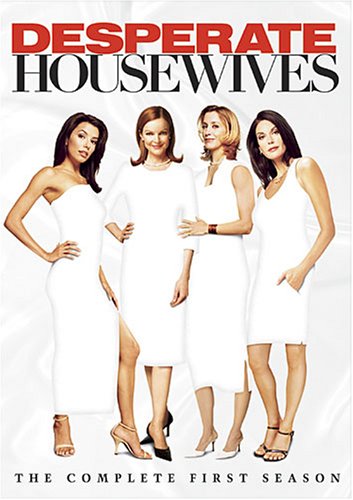
Characters like Bree Van de Kamp further embody this theme. Bree, the quintessential housewife, dedicates herself to maintaining an immaculate home and flawless family. Yet, her obsession with appearances becomes her prison. Bree’s rigidity and perfectionism alienate her loved ones, leaving her isolated and struggling to reconcile her outward image with her inner unhappiness. Through Bree and Mary Alice, Desperate Housewives exposes the crushing expectations placed on women to embody domestic ideals and how the pressure to sustain these facades can lead to psychological and emotional collapse.
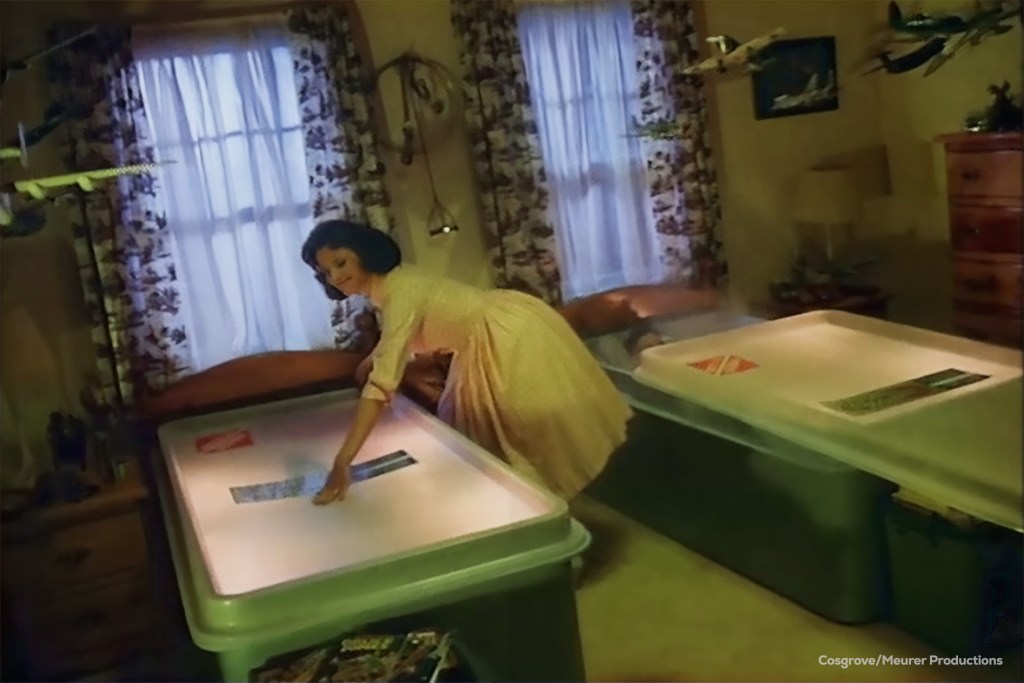
The theme of preservation—both literal and figurative—is another hallmark of suburban gothic horror. In Eerie, Indiana’s episode “Foreverware,” directed by Joe Dante (who also directed The ‘Burbs), a mother uses airtight plastic containers to preserve not just food but her family’s appearance and youth. Each night, her children are sealed into the containers, unable to grow or change, trapped in an artificial stasis of perfection.
This surreal exaggeration highlights a more profound critique: the societal expectation that women in suburbia maintain an eternal sense of youth, beauty, and order. The demand to “freeze” time and imperfections, symbolized by the Foreverware containers, reveals the suffocating pressures of conformity. The episode mirrors the ways women are often expected to uphold impossible standards, sacrificing authenticity and growth for the sake of appearances.
While many women in suburban gothic narratives are trapped by their roles, others rebel against them, often to devastating effect. In American Beauty (1999), Carolyn Burnham exemplifies this rebellion. Carolyn’s affair and obsessive pursuit of material success serve as coping mechanisms for her dissatisfaction with suburban life. Yet, her defiance of traditional gender expectations—seeking power and pleasure outside her domestic role—makes her a divisive figure.
Unlike her husband Lester, whose rebellion is framed as a tragic but liberating journey, Carolyn’s actions are portrayed as cold and destructive. This double standard reflects the genre’s frequent tension: women who challenge the constraints of suburban perfection often face judgment or punishment, emphasizing the genre’s critique of society’s limited avenues for female agency.
The Domesticated Breadwinner
Suburban gothic horror frequently portrays men as suffocated by their roles as breadwinners and providers. In American Beauty, Lester Burnham’s life is defined by monotony and emasculation. Trapped in a joyless marriage and dead-end job, Lester’s suburban existence is a cage, leading him to a midlife crisis that manifests in reckless rebellion—quitting his job, pursuing a teenage girl, and rejecting societal expectations.
Lester’s descent into hedonism is portrayed as both pathetic and cathartic, a tragic commentary on the pressures men face to conform to rigid ideals of masculinity. Yet, his attempts to reclaim agency ultimately lead to his demise, underscoring the dangers of unchecked desires and societal repression.
While some suburban gothic narratives frame men as victims of societal pressures, others cast them as villains whose repression festers into violence. In Suburbicon (2017), Gardner Lodge exemplifies this transformation. Gardner’s suburban life is a facade, masking his greed and capacity for violence. When a staged home invasion results in his wife’s death, Gardner’s true nature emerges as he spirals into deceit and murder.
Gardner’s story highlights a recurring theme in suburban gothic horror: the danger of unacknowledged darkness within seemingly ordinary men. The suburban setting, with its emphasis on control and appearances, becomes a pressure cooker for male characters whose unresolved impulses often explode in destructive ways.
The repressed violence of suburban men is also explored through characters who direct their paranoia outward. In The ‘Burbs (1989), Ray Peterson and his neighbors channel their dissatisfaction with suburban monotony into obsessive surveillance of the eccentric Klopek family. Though played for dark comedy, their actions reveal deeper anxieties about the loss of control and identity in suburbia.
This trope—a suburban man projecting his frustrations onto others—reflects the genre’s broader critique of conformity and repression. The nosy neighbor archetype, often male, is a foil to the suburban gothic housewife, showing how both genders struggle to navigate their assigned roles in these tightly controlled communities.
Suburban Gothic as Gender Critique
Suburban gothic horror doesn’t merely tell stories of individual struggles; it critiques the societal structures that enforce traditional gender roles. Women are burdened with the impossible task of maintaining perfection, sacrificing their own needs for the sake of appearances. Men, meanwhile, are trapped by expectations of dominance and control, leading to repression or destructive outbursts.
These narratives expose how suburbia’s carefully planned environments create a breeding ground for dissatisfaction and dysfunction. By highlighting the fragility of the suburban dream, suburban gothic horror forces audiences to confront uncomfortable truths about the societal ideals we cling to—and the toll they take on those who inhabit them.
Suburban gothic horror reveals the darker side of the American Dream, turning its idyllic neighborhoods into stages for gendered struggles and suppressed chaos. Through tales of desperate housewives, repressed husbands, and the fragile facades they fight to maintain, the genre critiques the unrealistic expectations placed on men and women alike.
These stories remind us that beneath the manicured lawns and picture-perfect homes lies a reality far messier and more human. And in this mess, the true horror of suburbia takes root, challenging us to rethink what perfection really costs—and whether it’s worth the price.

 M.A. Kleen
What are your thoughts?