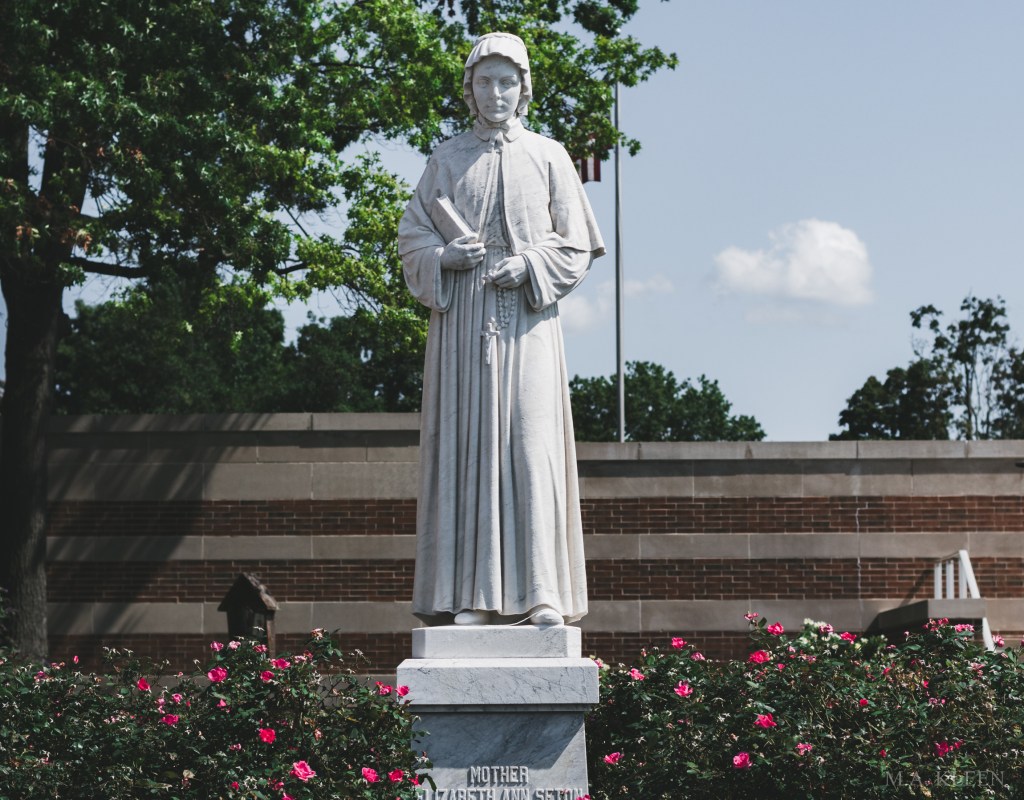
Step into the rich tapestry of history and faith at the National Shrine of Saint Elizabeth Ann Seton, where a saint’s enduring legacy meets tales of compassion on Civil War battlefields. Discover the surprising stories and hidden gems that make this Emmitsburg landmark a must-visit destination for travelers and history lovers alike.
Nestled in the picturesque town of Emmitsburg, Maryland, the National Shrine of Saint Elizabeth Ann Seton stands as a testament to faith, resilience, and history. As a revered pilgrimage site and a treasure trove of historical significance, this destination offers visitors a unique glimpse into the life and legacy of St. Elizabeth Ann Seton, the first American-born saint. Beyond its religious appeal, the shrine also holds a rich narrative interwoven with the American Civil War, making it a compelling stop for history enthusiasts and travelers alike.
Located at 339 S. Seton Avenue, Emmitsburg, MD, the National Shrine of Saint Elizabeth Ann Seton serves as a tribute to a remarkable woman whose legacy continues to inspire. Open daily from 10:00 AM to 5:00 PM, the shrine features a visitor center, a museum, and the awe-inspiring basilica where Mother Seton’s remains are entombed. Daily masses are held, offering a moment of spiritual reflection, while guided tours immerse visitors in the world of Mother Seton and her enduring contributions.
The shrine grounds include the Stone House, White House, and the cemetery lovingly referred to as “God’s Little Acre.” These historic structures transport visitors back to the early 19th century, allowing them to walk in the footsteps of the saint who founded the Sisters of Charity and established the first free Catholic school for girls in the United States.
A visit to the shrine isn’t just about observing history—it’s about living it. The living history program, offered on weekends, provides a dynamic, hands-on experience. Historical interpreters portray students and Sisters of Charity, sharing captivating stories from the past while demonstrating daily activities from Mother Seton’s time. Whether you’re joining a guided tour or exploring on your own with a map from the visitor center, every corner of the shrine reveals a piece of Mother Seton’s inspiring story.
The shrine’s historical significance extends beyond the life of St. Elizabeth Ann Seton. During the Civil War, the Daughters of Charity, an order that evolved from the Sisters of Charity, played a critical role as battlefield nurses. Dubbed “angels of the battlefield,” these women provided care and comfort to wounded soldiers, regardless of their allegiance. Their acts of compassion, carried out often under perilous conditions, earned them widespread admiration.

The sisters’ efforts extended to pivotal moments such as the aftermath of the Battle of Gettysburg. Traveling to the frontlines with supplies, they witnessed and alleviated unimaginable suffering. Sister Mary Jane Stokes described feeding half-starved soldiers with bread prepared at St. Joseph’s Central House. This act of charity exemplifies the sisters’ unwavering dedication to humanity, echoing the values Mother Seton instilled.
Emmitsburg’s proximity to Gettysburg brought the Civil War to the shrine’s doorstep. During the five days leading up to the historic battle, over 38,000 Union troops passed through Saint Joseph’s Valley. The grounds of the shrine buzzed with activity, as soldiers camped and generals sought refuge. Notable figures like General John Reynolds and General Oliver O. Howard stayed at St. Joseph’s Rectory, while General Carl Schurz made use of the White House.
The sisters, despite the challenges of martial law, extended hospitality and aid to soldiers. The story of St. Joseph’s farm manager, Joseph Brawner, discovering his clover field grazed barren by cavalry horses is a poignant reminder of the war’s impact on everyday life. Yet, the sisters remained steadfast, providing bread and solace to those in need, embodying the spirit of charity Mother Seton championed.
The shrine is steeped in fascinating stories and surprising details that add depth to its allure:
- International Ties: The shrine’s Saint Joseph’s Chapel, consecrated in 1841, houses three paintings gifted by King Louis-Philippe and Queen Marie-Amélie of France. Among them is a stunning rendition of the “Assumption” based on Murillo’s masterpiece.
- The Basilica’s Artistry: The basilica, dedicated in 1965, showcases intricate artwork crafted by Italian and German artisans. The serene beauty of its design enhances the spiritual atmosphere, making it a favorite spot for quiet reflection.
- Patroness of Sea Services: Mother Seton’s legacy extends to the U.S. Navy and other sea services, owing to her devotion to her two sons who served in the Navy. Each October, the shrine hosts a Pilgrimage for the Sea Services, honoring her as their patroness and seeking her intercession.
- A Unique Celebration: An annual event honors all women named “Elizabeth” or “Elizabeth Ann.” Participants join a special procession into the basilica, highlighting Mother Seton’s lasting impact on women and families.
Planning Your Visit
Travelers visiting the shrine will find a wealth of activities to enrich their experience:
- Explore the Museum and Visitor Center: Dive into exhibits showcasing Mother Seton’s life, artifacts, and her canonization journey.
- Walk the Historic Grounds: Take in the tranquil beauty of the cemetery, historic homes, and lush surroundings.
- Participate in Mass or Reflection: Attend a daily Mass or find a quiet spot for prayer and meditation.
What to Do Nearby
Emmitsburg, Maryland, offers plenty of attractions to round out a visit to the shrine. Just a short drive away:
- Gettysburg National Military Park: Immerse yourself in Civil War history at this iconic battlefield.
- Catoctin Mountain Park: Hike scenic trails and enjoy nature in this beautiful national park.
- Downtown Emmitsburg: Discover quaint shops, local eateries, and small-town charm.
The National Shrine of Saint Elizabeth Ann Seton is more than a religious landmark; it’s a portal to a bygone era where faith, education, and service transformed a nation. Whether you’re a devout pilgrim, a history buff, or a curious traveler, the shrine offers an enriching journey into the life of a saint and the stories that shaped her legacy.
From its deep connections to the Civil War to the personal sacrifices made by the Sisters of Charity, the shrine bridges the past with the present. Visiting this sacred and historical space is an opportunity to reflect, learn, and find inspiration—a reminder that even in the face of adversity, one person’s vision can change the world.

 M.A. Kleen
What are your thoughts?