Who was Marie Laveau—the celebrated Voodoo Queen of New Orleans: a healer, a mystic, or a misunderstood icon? Dive into the tangled web of truth and legend to uncover the real story behind one of history’s most enigmatic figures.
Marie Laveau’s name is synonymous with mystery, magic, and voodoo, her legend as vibrant and enigmatic as the city of New Orleans itself. Known as the “Voodoo Queen,” she remains one of the most talked-about figures in Louisiana history. But who was Marie Laveau, really? The line between truth and myth has blurred over the years, creating a legacy steeped in both reverence and speculation.
Let’s unravel the threads of her story, sifting fact from fiction to uncover the truth behind one of New Orleans’ most enduring legends. From her rise to power to the myths that swirl around her, Marie Laveau’s legacy is a fascinating blend of reality, rumor, and cultural evolution.
The Woman Behind the Legend
Marie Laveau was born in New Orleans on September 10, 1801, to a Creole mother and a freeman. Her heritage, a mix of African, Native American, and European ancestry, placed her squarely in New Orleans’ Creole culture. She married a Haitian immigrant, Jacques Paris, who disappeared a few years into their marriage. Later, she entered a long-term relationship with a wealthy Frenchman, Christophe Dominick Duminy de Glapion, with whom she had several children.
Laveau’s life unfolded in a city unlike any other—a vibrant crossroads of cultures, traditions, and beliefs. It was this cultural melting pot that allowed voodoo to flourish, blending African spiritual practices with Catholic rituals and French Creole traditions. Marie Laveau became its most famous practitioner, revered as much for her charisma and healing abilities as for her mystical powers.
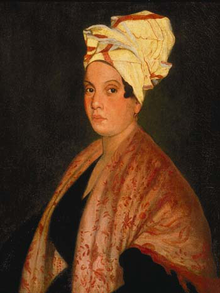
By the mid-19th century, Marie Laveau had risen to prominence as New Orleans’ reigning Voodoo Queen. Her influence extended far beyond the ceremonies she led. She was a healer, a confidante, and a powerful figure in her community. Laveau worked as a hairdresser, which gave her access to the homes and secrets of New Orleans’ elite. This unique position allowed her to offer not just spiritual guidance but also advice rooted in a deep understanding of human nature and the social landscape.
Her spiritual practices often incorporated Catholic elements, such as prayers, candles, and saints. This blending of faiths made voodoo more palatable to the city’s Catholic population and helped cement her position as a bridge between worlds. Laveau’s ability to command respect from both the wealthy and the marginalized added to her mystique.
Despite her very real influence, much of what we “know” about Marie Laveau is shrouded in myth. Over the years, she’s been depicted as everything from a benevolent healer to a sinister sorceress, depending on who’s telling the story. Many of these tales are rooted in misunderstandings—or outright fabrications.
For instance, one common myth is that Marie Laveau could cast curses or control people with her powers. While she certainly performed rituals and sold charms, her reputation for malevolent magic likely stems from sensationalized accounts by outsiders unfamiliar with voodoo practices. To her community, she was more often seen as a protector and a healer than a witch.
Another persistent legend involves her supposed immortality. Stories claim that after her death in 1881, she continued to be seen around New Orleans. This myth likely arose because her daughter, Marie Laveau II, followed in her footsteps, leading ceremonies and perpetuating her mother’s legacy. The two women’s lives have become so intertwined in popular memory that distinguishing between them is nearly impossible.
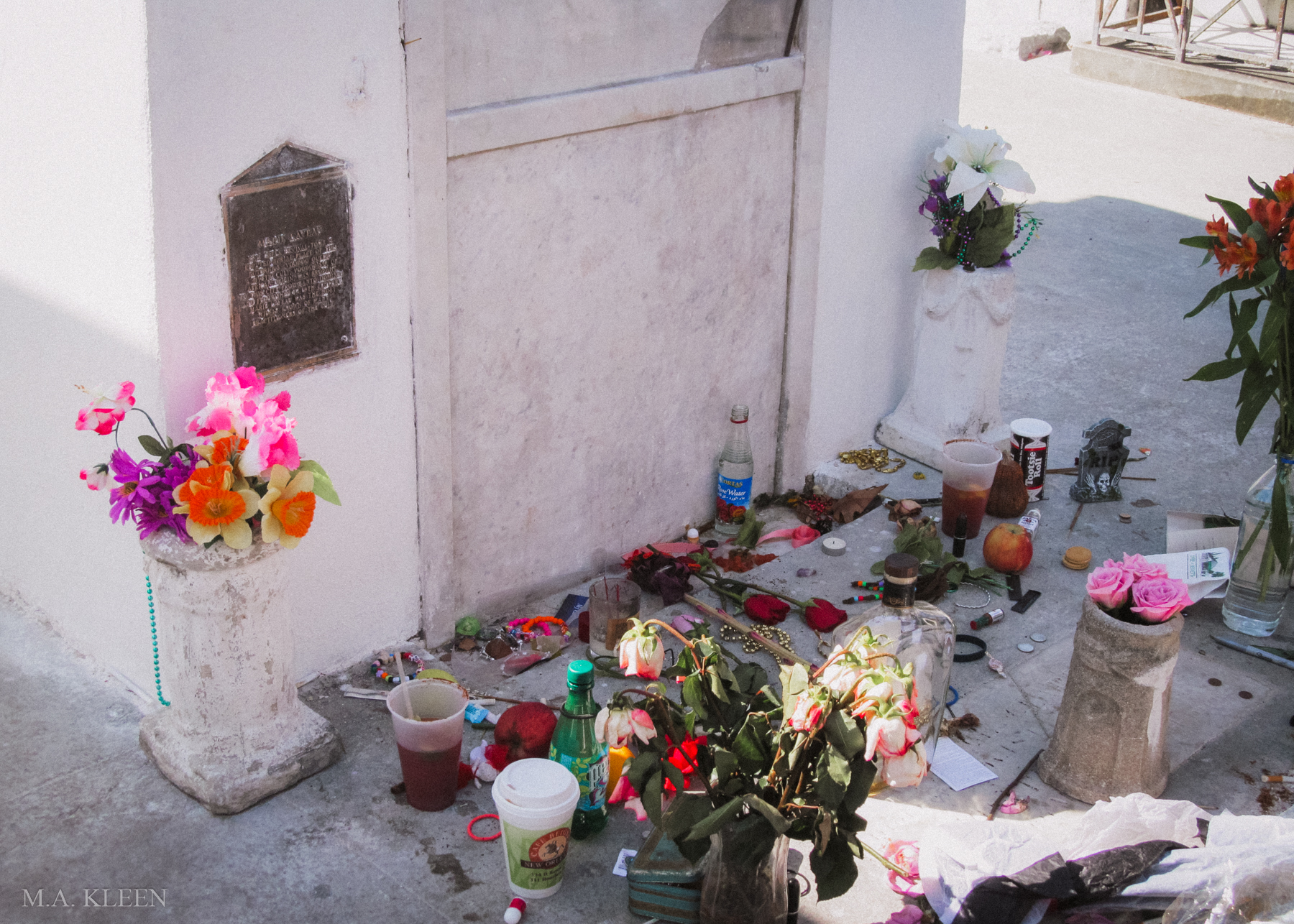
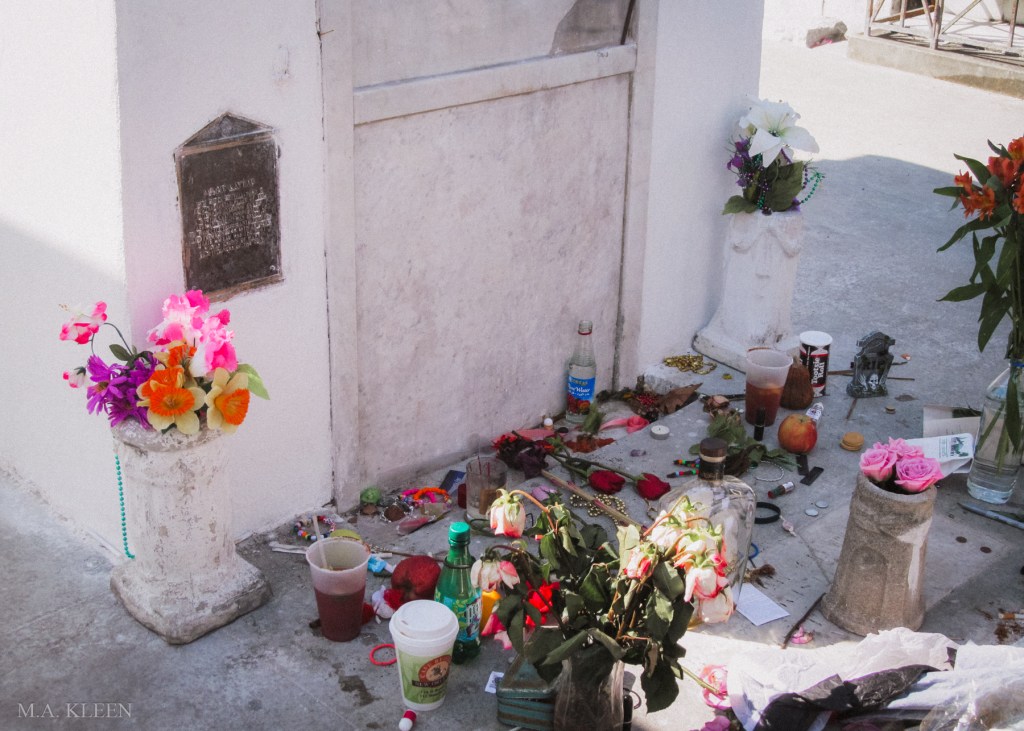
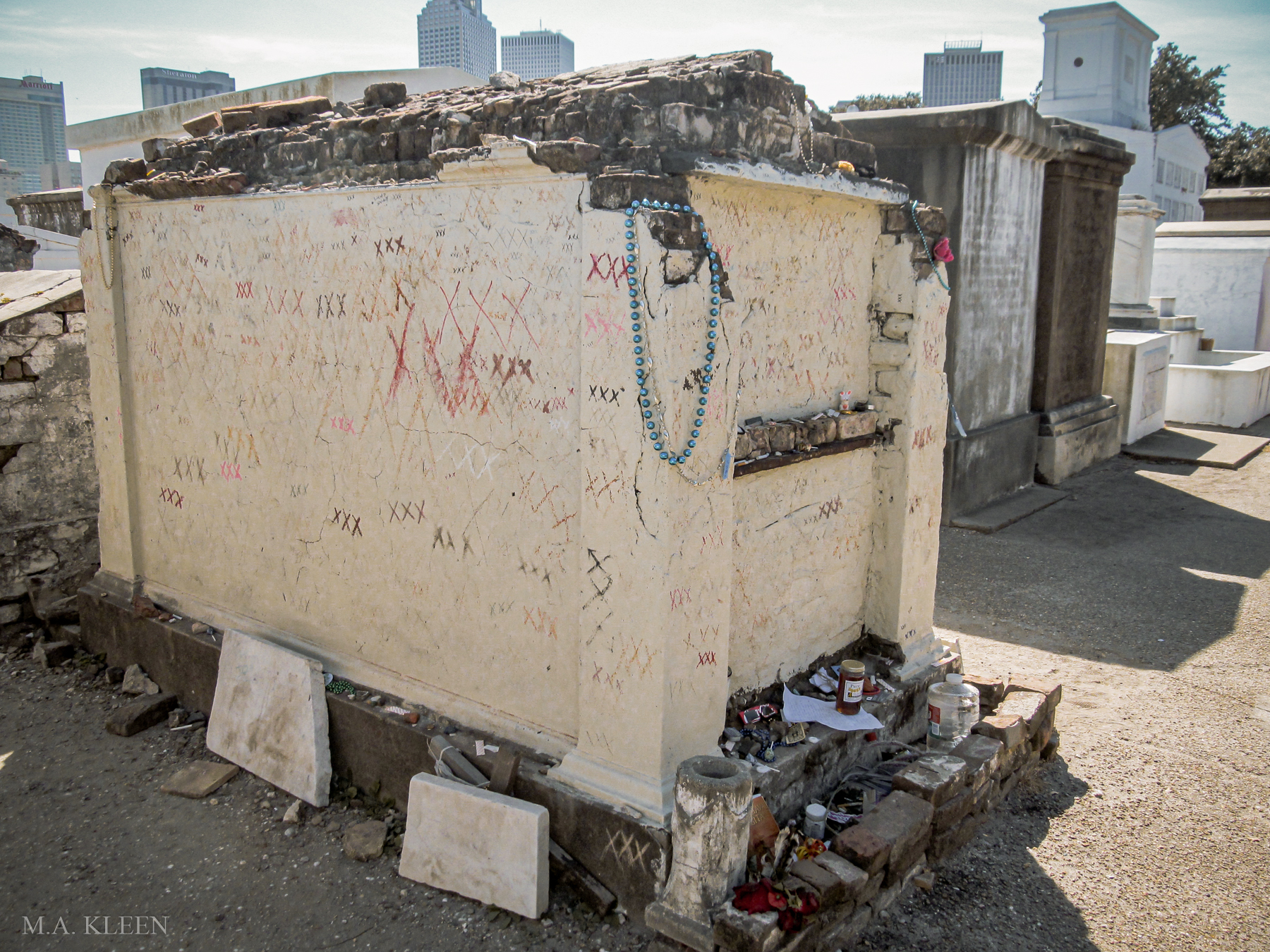
Marie Laveau’s final resting place in Saint Louis Cemetery No. 1 is both a pilgrimage site and a source of intrigue. Her tomb, marked by offerings and inscriptions of Xs, has become an emblem of her enduring influence. Visitors often leave gifts—candles, beads, coins—hoping to earn her favor or receive spiritual guidance.
But even her burial is surrounded by mystery. Some historians question whether she is actually interred in the tomb traditionally associated with her, as records from that time are incomplete. The confusion only adds to her mythos, making her grave a symbol of her larger-than-life story.
Marie Laveau’s legacy has transcended history, finding new life in literature, music, and television. From novels like Jewell Parker Rhodes’ Voodoo Dreams to portrayals in shows like American Horror Story: Coven, her character has been reimagined countless times. Each retelling adds a new layer to her legend, keeping her spirit alive while often distorting the truth.
In these depictions, she is often portrayed as an all-powerful sorceress or a cunning manipulator—roles that reflect more about our fascination with mysticism and power than the reality of her life. Yet even as these portrayals veer into fantasy, they underscore the cultural impact of her story.
At the heart of Marie Laveau’s legacy is a woman who used her intelligence, charisma, and spiritual knowledge to navigate a complex society. She lived during a time when women, especially women of color, faced immense challenges, yet she managed to carve out a position of influence and respect.
Her story is a testament to resilience and ingenuity. Whether she was leading voodoo ceremonies, advising clients, or healing the sick, Marie Laveau embodied the spirit of New Orleans—a city where tradition and innovation coexist, and where the past continues to shape the present.
Marie Laveau’s legend endures because it captures something timeless: the human desire for connection, healing, and understanding. Whether you view her as a spiritual leader, a cultural icon, or a figure of myth, her story invites us to reflect on the power of belief and the ways we shape—and are shaped by—our communities.
As you walk the streets of New Orleans, it’s easy to feel her presence. It lingers in the rituals, the music, and the stories passed down through generations. And perhaps that’s the greatest magic of all—not the myths, but the enduring impact of a life well lived.

 M.A. Kleen
What are your thoughts?