What happens when the places that shaped your childhood vanish, leaving only echoes in your memory? Journey through the streets of a changing Des Plaines, Illinois, where the past feels more real than the present, and discover why preserving those fleeting moments matters more than you think.
There’s something peculiar about distance: the road ahead always feels longer than the same stretch behind you. Childhood, much like a journey that once seemed endless, now lies far in my rearview mirror. It’s bittersweet to realize that the town where I grew up—a patchwork of houses, stores, and memories—will one day be unrecognizable. Time, after all, cares little for sentiment.
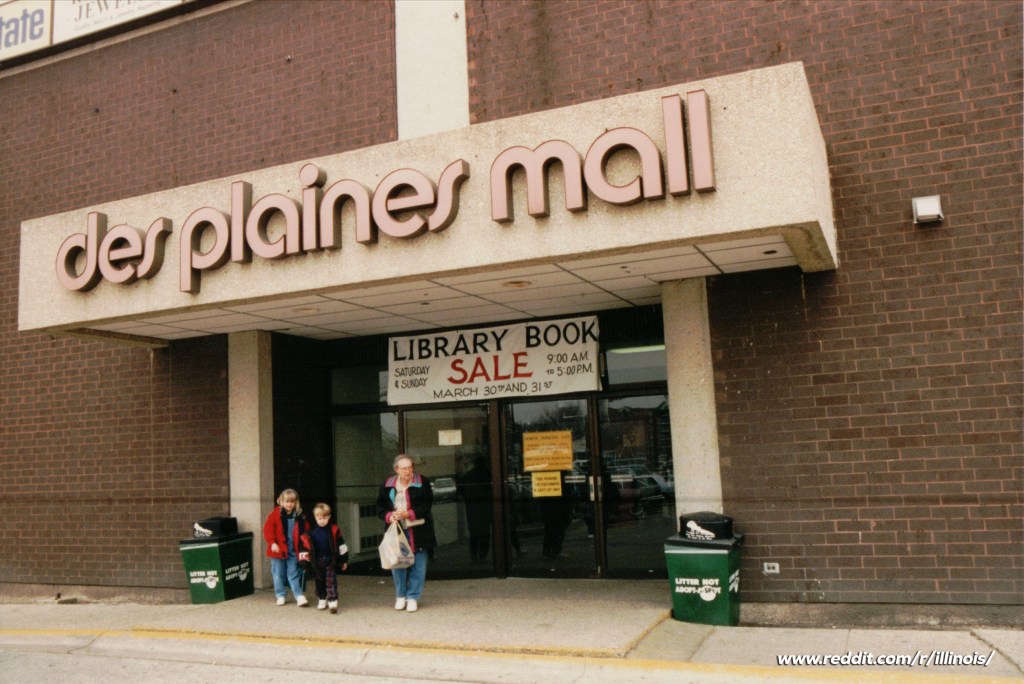
In suburban Des Plaines, Illinois, there was once a mall. Today, it’s gone. Though modest compared to the sprawling shopping centers I’ve visited since, that two-story mall occupies an outsized space in my memory. The further back I delve, the more alive it becomes—a bustling hub where I would walk the crowded hallways, tightly gripping my mother’s hand. The bright window displays and throngs of people filled me with wonder.
By sixth grade, the mall was already in decline. My friends and I would stop by in the mornings, pooling the dollars we earned from odd chores to buy pastries from the bakery. By then, just five stores remained: an insurance office in the basement, a Christian bookstore and church upstairs, and a run-down department store where my friend Mike and I would microwave Hot Pockets. We’d eat them in the basement at tables surrounded by echoes of a mall that once thrived.
Attempts to revitalize it failed miserably—a retro arcade and a Rave club closed almost as quickly as they opened. By my first year of high school, the mall was permanently shuttered, overshadowed by the skeleton of a crumbling four-story parking garage. Soon after, it was demolished. Where it once stood, there’s now a gleaming new library with a heated parking garage.
I never thought to take a picture of the mall. I didn’t pause to immortalize it, and then, all too soon, it was gone. No plaques commemorate it; no historical society deemed it worth preserving. But to those of us who wandered its halls, it was a piece of history—a fleeting moment of community that’s now just a memory.

I don’t live in Des Plaines anymore. My childhood home—a weathered brown and yellow house with cracked ceilings and a perpetually flooded basement—is also unrecognizable. When I drive past, it’s painted white and green, its yard adorned with toys and flowers I never knew. A tall wooden fence hides where my dad and I used to play in the yard. The house, transformed into a suburban dream home, feels like a stranger’s.
I struggle to place my memories in this unfamiliar setting. The chandelier hanging in my old bedroom window seems out of place in the room where I used to watch thunderstorms and neighborhood fireworks and lower my GI Joes to the porch on a string. That house, like the mall, belongs to a version of Des Plaines that no longer exists.
Des Plaines itself has changed in countless ways. The movie theater is now an entertainment venue. The comic book shop temporarily became a Beanie Baby store before vanishing entirely. The K-Mart where I worked my first job is an empty shell. Sim’s Bowl & Lounge, which sat along Ellinwood Street since 1955, vanished under the wrecking ball. The game shop on Lee Street, where my friends and I played card games after school, sits empty. The entire strip mall is boarded up.
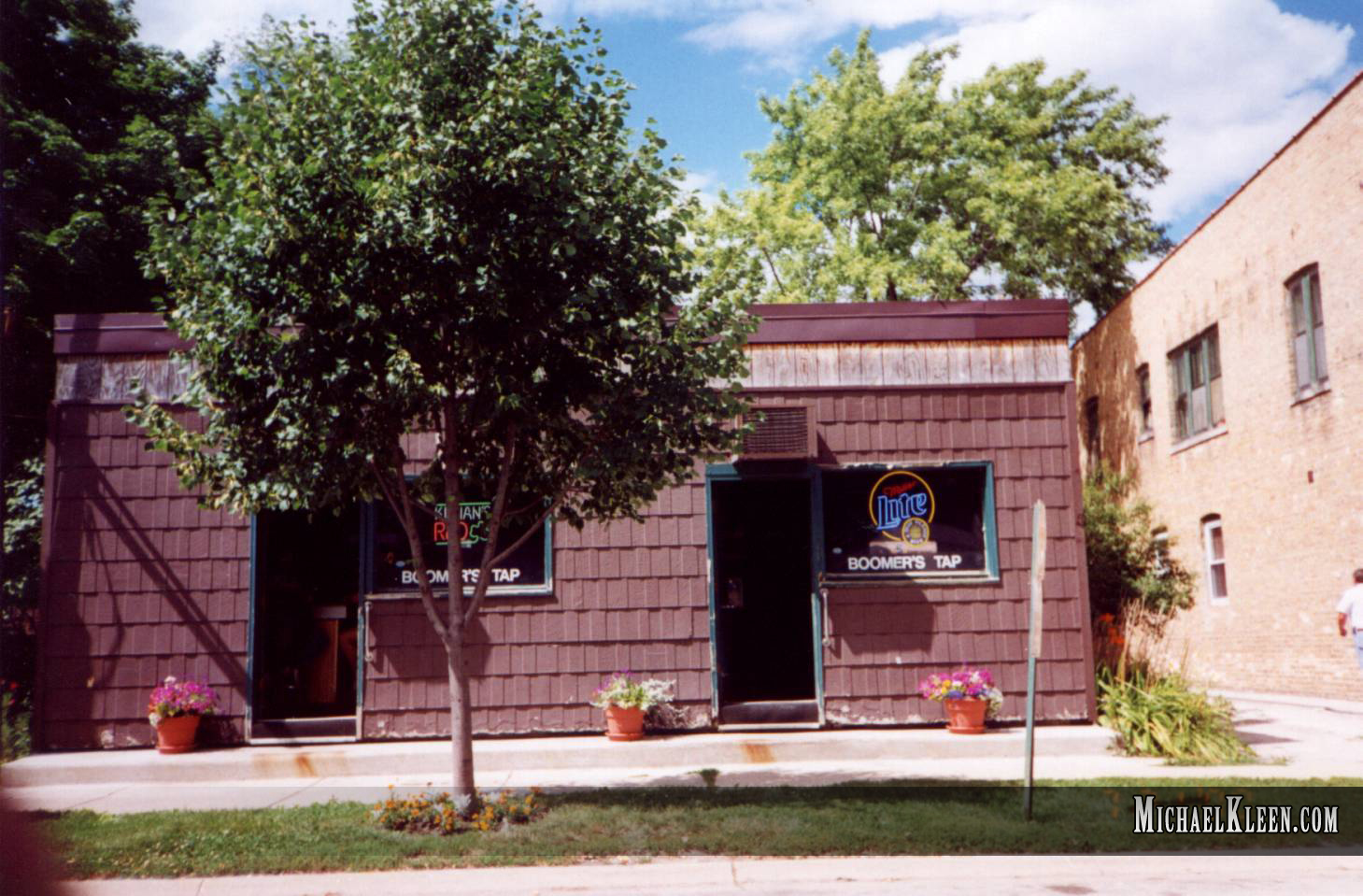
At Central Elementary, the monkey bars and playgrounds that fueled our imaginations have been replaced with sports fields. Even Boomer’s Tap, a bar improbably nestled in a residential neighborhood, has vanished. I always planned to visit it when I turned 21, but by then, it was rubble, cleared to make way for expensive homes.
When I left for college, I returned to a town I barely recognized. Yet, the echoes of the old Des Plaines remain. They linger in the collective memory of my classmates and neighbors. They live in the fragments of dreams, in the way certain streets feel familiar beneath your feet, even as the scenery has changed.
Growing up, we were taught to focus on the future—to chase the next product, milestone, or paycheck. But the truth is, the future doesn’t exist until we stumble into it. The past, by contrast, is tangible. It’s alive in our memories, in photographs, and in the feelings stirred by an old bench in a forgotten park.
Whenever my mind drifts to the old mall, I’m transported to a world of “once-was.” In contrast, when I think of the library that replaced it, my mind draws a blank.
We should never have to say, “If only.” If only I had taken a picture. If only I had paused to remember. History is more than distant dates or monuments—it’s the story of our lives. Without the memories of Des Plaines and the countless moments that shaped me, I’d feel hollow, like a machine endlessly chasing the future.
Preserving memory isn’t just about nostalgia; it’s about preserving what makes us human. After all, our stories, no matter how small, are what define us. They’re the threads that connect us to a larger tapestry of time, even as the world around us changes.
Donate
Enjoy what you read? Please consider making a one-time donation to support my research.
Enjoy what you read? Please consider making a monthly donation to support my research.
Enjoy what you read? Please consider making a yearly donation to support my research.
Choose an amount
Or enter a custom amount
Your contribution is appreciated.
Your contribution is appreciated.
Your contribution is appreciated.
DonateDonate monthlyDonate yearly
 M.A. Kleen
What are your thoughts?