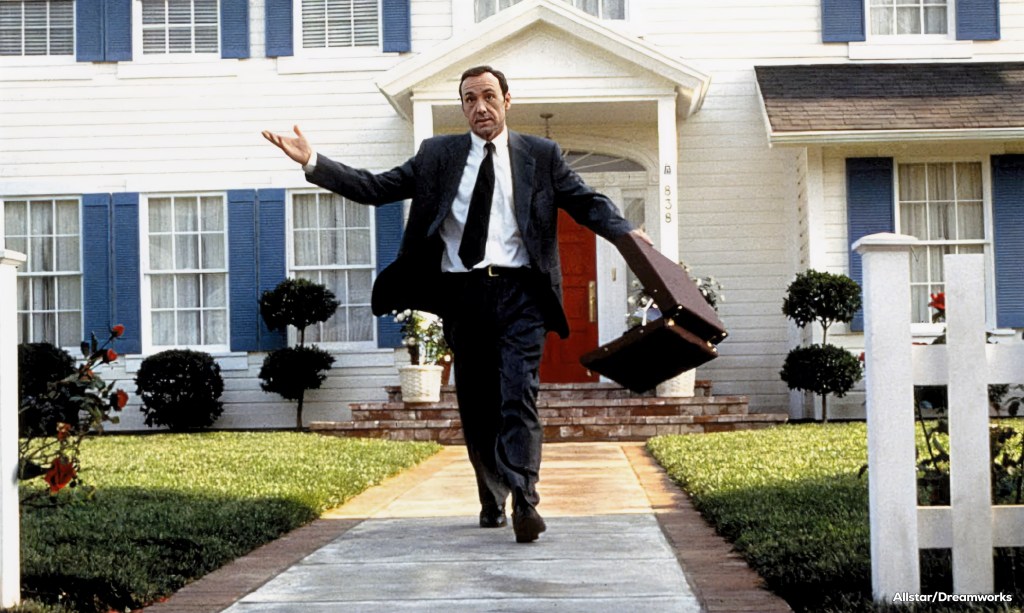
Behind the manicured lawns and picture-perfect facades of suburbia lies a world of secrets, scandals, and spine-chilling horrors. Dive into the shadowy allure of suburban gothic horror and discover how films like The ‘Burbs, American Beauty, and Summer of 84 unmask the dark truths lurking in America’s idyllic neighborhoods.
Suburbia—a word that conjures images of manicured lawns, picket fences, and the hum of idyllic family life. But behind this veneer of tranquility lurks a shadowy underbelly, rife with secrets, transgressions, and horrors. This duality—the tension between the apparent and the real—is the heart of suburban gothic.
This uniquely American genre merges Dark Romanticism’s skepticism of human perfectibility with the eerie, picture-perfect setting of suburbia. Through films and TV shows like The ‘Burbs, American Beauty, Desperate Housewives, and Summer of 84, the suburban gothic narrative probes the cracks in the suburban facade, revealing the sinister truths lurking beneath.
Suburban gothic is a genre that contrasts the polished exterior of suburban life with the darkness it conceals. Its roots lie in American Gothic, which evolved from the broader Dark Romantic movement of the 19th century. While traditional Gothic tales took place in isolated castles or eerie manors, suburban gothic horror places its terrors in the cul-de-sacs and ranch-style homes of planned communities. These narratives challenge the Transcendentalist ideal that humanity and society are perfectible, emphasizing instead our inherent fallibility and propensity for sin.
The result is a genre that turns suburban utopia on its head, suggesting that the very design meant to protect and nurture its inhabitants masks a world of chaos and horror.
Joe Dante’s The ‘Burbs (1989) is a quintessential example of suburban gothic horror. Set on Mayfield Place, an ordinary street in an unassuming Midwestern suburb, the film combines humor with an undercurrent of dread. Tom Hanks stars as Ray Peterson, a man drawn into the bizarre mystery of his neighbors, the Klopeks, whose dilapidated house and strange behavior suggest dark deeds.
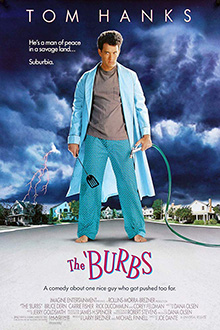
What makes The ‘Burbs a standout is its balance of comedy and critique. Behind its humor lies an exploration of suburban paranoia and the American obsession with uncovering hidden evils. Ray’s neighbors mirror the audience’s compulsion to see something sinister behind suburban normalcy—a reflection of real-life fears inspired by headlines about suburban crimes. The film’s climactic revelation of human bones in the Klopeks’ car trunk validates these fears, cementing The ‘Burbs as a satire of suburban conformity and a meditation on humanity’s darker instincts.
Sam Mendes’ American Beauty (1999) dives deeper into the psychological horror of suburban life. Starring Kevin Spacey as Lester Burnham, the film unravels the lives of the Burnham family, who appear picture-perfect but are, in truth, deeply unhappy and fractured. Beneath their well-manicured exterior lie lust, repression, betrayal, and violence.
The film critiques the materialism and emptiness of suburban aspirations. In one scene, Lester’s attempt to rekindle passion with his wife is interrupted by her concern for a couch—symbolizing how material possessions have eclipsed human connection. Through Lester’s tragic end, American Beauty asserts that the pursuit of freedom and authenticity within suburbia’s confines often leads to destruction, exposing the genre’s central tension: the idyllic is unsustainable.
ABC’s Desperate Housewives (2004–2012) brought suburban gothic horror into the mainstream, blending melodrama with dark humor. Set on Wisteria Lane (filmed on the same Universal Studios back lot as The ‘Burbs), the series follows five women navigating personal crises and deadly secrets. The show opens with the suicide of Mary Alice Young, whose posthumous narration teases the hidden transgressions of her neighbors.
Much like The ‘Burbs, Desperate Housewives critiques suburban conformity, showing how the pressure to maintain appearances leads to deception and tragedy. Mary Alice’s story encapsulates this theme: her pristine exterior hides a shocking crime—murdering a woman to keep her adopted son’s origins secret. The omnipresence of secrets in Desperate Housewives underscores a recurring theme of suburban gothic horror: behind every closed door lies a potential nightmare.

The nostalgic Summer of 84 (2018) shifts suburban gothic horror into the realm of true crime. The film follows Davey Armstrong and his friends as they investigate their seemingly ordinary neighbor, Officer Mackey, whom they suspect to be a serial killer. Unlike supernatural suburban tales, Summer of 84 draws its horror from real-life anxieties about child abduction and predatory neighbors.
Set during the height of the “Stranger Danger” panic, the film’s grounded approach amplifies its terror. Its message is chillingly simple: danger isn’t an outsider—it’s the familiar face next door. This notion, coupled with the film’s evocative setting and emotionally raw conclusion, cements Summer of 84 as a haunting addition to the genre.
What unites these stories is a shared commentary on the contradictions of suburban life. Beneath its carefully curated image of perfection lies chaos, disorder, and sin. Common themes include:
The Facade vs. Reality
- Suburban gothic narratives thrive on the contrast between appearances and hidden truths. Whether it’s the Burnhams’ hollow marriage in American Beauty or the Klopeks’ murderous basement in The ‘Burbs, the genre revels in unmasking suburban illusions.
Paranoia and Conformity
- The pressure to conform breeds both paranoia and rebellion. In Desperate Housewives, characters commit unspeakable acts to maintain the illusion of happiness, while The X-Files episode “Arcadia” literalizes conformity through a supernatural enforcer of homeowner association rules.
The Darkness of the Familiar
- Suburban gothic horror often positions danger within the familiar. In Summer of 84, the trusted neighbor is a predator. In Desperate Housewives, even friends and family harbor deadly secrets.
Critique of Materialism
- Many of these stories critique suburban materialism and its dehumanizing effects. Lester’s lament in American Beauty—“It’s just stuff!”—underscores this disillusionment, as does Eerie, Indiana’s “Foreverware,” where the pursuit of preservation becomes a trap.
Suburban gothic resonates because it reflects our collective fears about modern life. The suburb was conceived as a sanctuary, a place to escape the dangers of urban living. Yet, these stories argue, no amount of planning can escape the darker aspects of human nature. Suburbia, with its obsession with control and perfection, becomes a fertile ground for horror—both real and imagined.
This genre also mirrors America’s love-hate relationship with the suburbs. Shows like Leave it to Beaver celebrated suburban life as the pinnacle of the American Dream, but later works like The X-Files and Desperate Housewives depict it as stifling and deceptive. Suburban gothic captures this ambivalence, offering both critique and catharsis.
The enduring appeal of suburban gothic lies in its universality. Whether it’s the darkly comic The ‘Burbs or the unsettling realism of Summer of 84, these stories tap into fears we all share: the terror of the unknown, the fragility of appearances, and the lurking threat of human imperfection. By placing these fears in familiar settings, the genre makes its horrors all the more personal.
In the end, suburban gothic reminds us that no matter how idyllic the surroundings, darkness is never far away. Behind every white picket fence, there’s a story waiting to be told—a story that just might make your hair stand on end.

 M.A. Kleen
What are your thoughts?