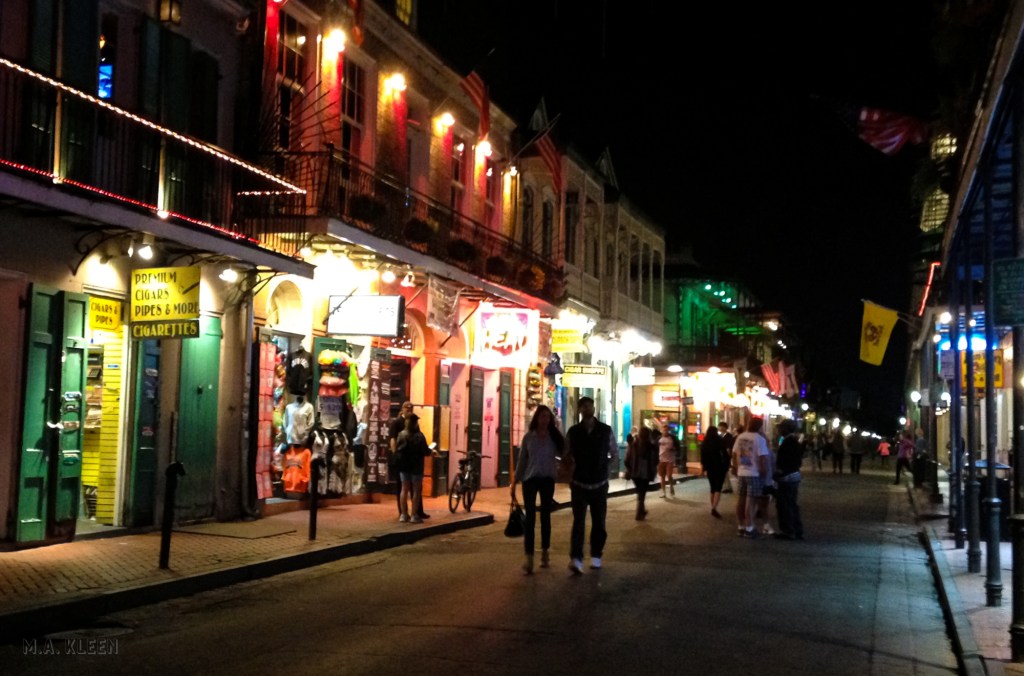
Step into the dark allure of New Orleans in the spring of 2000 with a Haunted History Tour of the French Quarter. From the chilling Ursuline Convent’s attic to the lingering impact of Hurricane Katrina, explore how the city’s mystique has faded, yet still haunts the memories of those who experienced its magic firsthand.
Spring Break, 2000. A few months before high school graduation, my dad took my best friend and I on a road trip along the Mississippi River, passing through rural Tennessee and Mississippi. Our ultimate destination was New Orleans. For two teenagers from the Chicago suburbs, New Orleans was a vibrant carnival of sights and sounds, filled with music and food unlike anything we had ever experienced. The city’s strange and macabre atmosphere—its legendary haunts and vampire lore—captivated my young imagination.
It was the tail end of the decade of Interview with the Vampire, Vampire: The Masquerade, Marilyn Manson, Type O Negative, The Crüxshadows, and Bella Morte, when goth culture reached its peak popularity and cultural influence. New Orleans became a kind of epicenter for alternative lifestyles, the strange and unusual, especially the French Quarter with its street performers, fortune tellers, voodoo shops, and goth bars.
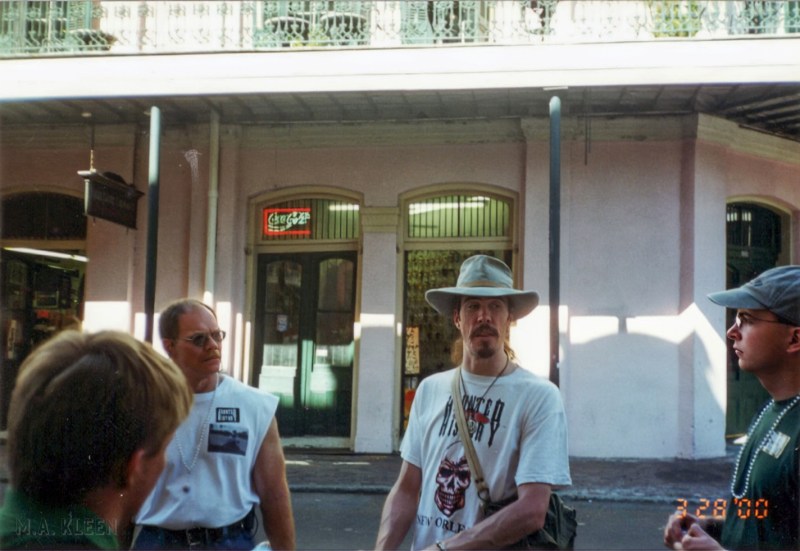
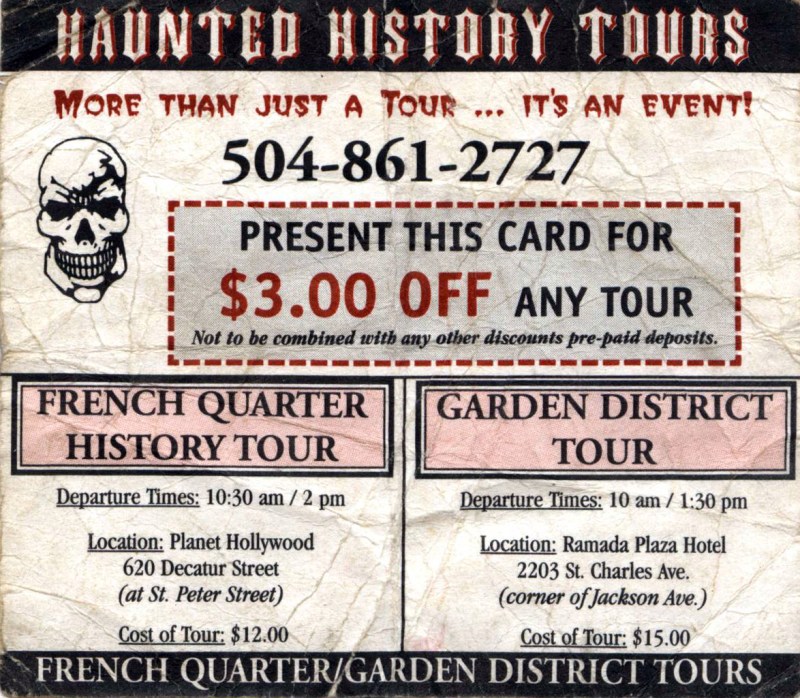
On the streets, no one did more to promote this image than Sidney Smith and Haunted History Tours. Smith, a music photographer and entertainment company director, created the original paranormal-themed tour in New Orleans in 1995. He hired not just tour guides but entertainers–people who would tell history and local legends and folklore with a sense of style and flair for the dramatic. They offered several options, including a cemetery tour, vampire tour, haunted tour, and even a few historical tours.
And there was, of course, a book.
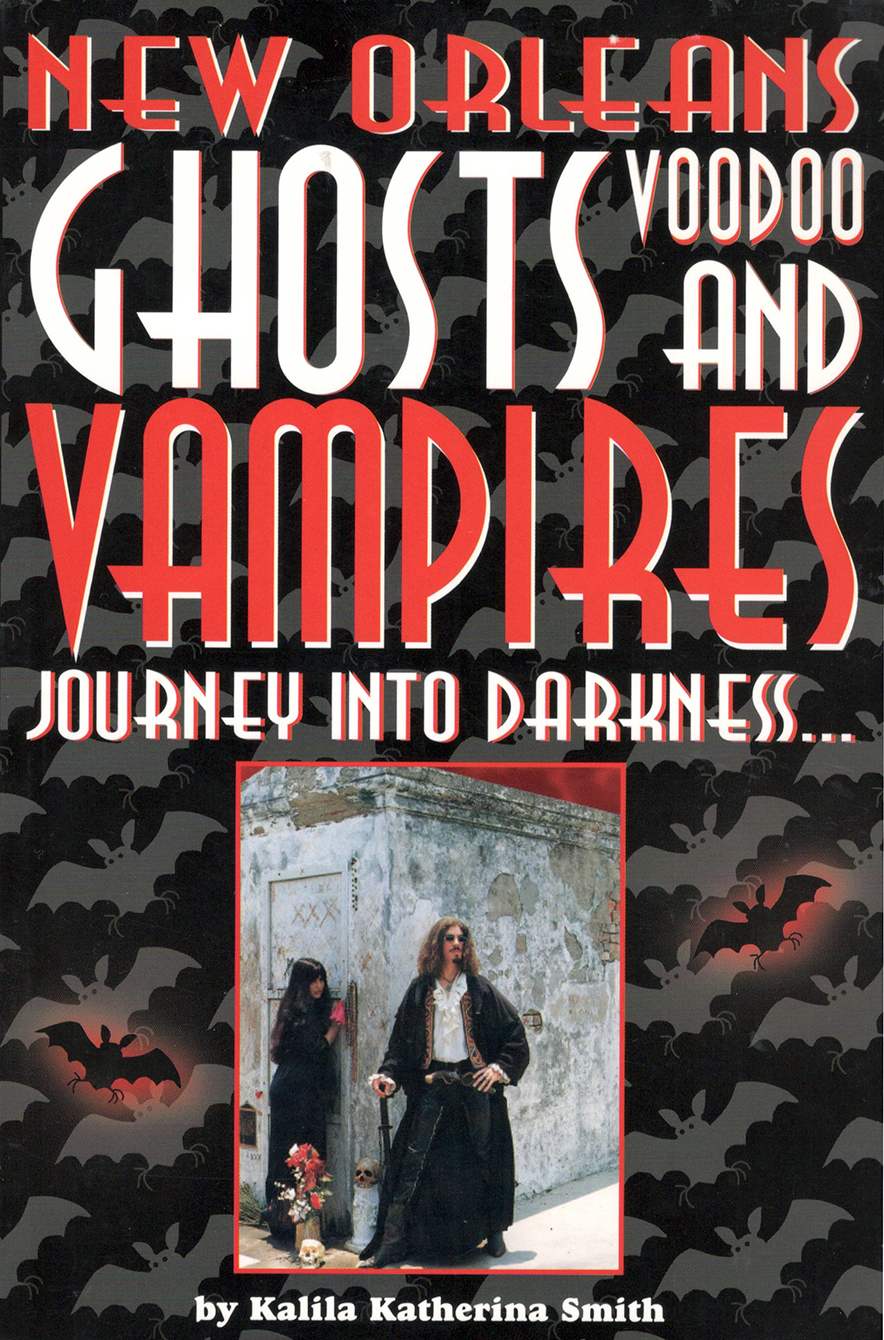
New Orleans Ghosts, Voodoo, and Vampires by Kalila Katherina Smith came out in 1997 as a vehicle for additional stories and background that tourists could take with them as they explored the city and enjoyed back home. It’s not quite a tour guide. The first few chapters are written in memoir-style, filled with the author’s own experiences and theories on the paranormal. The whole book is filled with an ever-expanding variety of personal experiences, both by the author and others. I own the fifth edition, released in 2007, and I suspect there have been many more versions since then.
My friend and I went on the Vampire Tour because it seemed like the most interesting. My favorite story was that of the Ursuline Convent on Chartres Street, which only received a brief mention in the book. Completed around 1752, the Ursuline Convent is the oldest building in Louisiana and is a National Historic Landmark and museum. According to legend, Catholic priests once captured vampires and sealed them in coffins in the attic, preventing their escape with blessed screws. Still, passersby sometimes see the window shutters mysteriously open at night or even a strange face peering out.
At the end of the evening, we crowded into The Dungeon on Toulouse Street, a “secret” goth and dungeon-themed bar complete with velvet sofas, faux marble tables, and an upright black coffin, its doors hanging open to reveal the red velvet interior.
No trip to New Orleans is complete without a visit to Saint Louis Cemetery No. 1, with its uneven rows of white above-ground vaults and spooky voodoo myths. Cemetery No. 1 is the final resting place for a veritable who’s who of New Orleans, including Etienne de Boré and Ernest N. Morial, former mayors. Actor Nicolas Cage even purchased a crypt there in 2010. Some of the more infamous-but-unconfirmed burials include voodoo priestess Marie Laveau and murderess Madame Delphine LaLaurie. Visitors leave token offerings and draw Xs on what purports to be Laveau’s crypt, in the hopes that her spirit will fulfill their wishes.
The French Quarter was mostly spared from flooding during Hurricane Katrina in 2005, but it wasn’t spared from the hurricane’s social and economic devastation. If pre-Katrina New Orleans was the party, post-Katrina New Orleans was the hangover. In the postscript to the fifth edition of her book, Kalila Katherina Smith wrote: “Directly after Katrina, there was a strange void that seemed to envelop the entire city… Normally, New Orleans has a particular pulse to it. After Katrina, that pulse was missing.”
On a return visit to the French Quarter in 2014, I noticed this void as well. Maybe I was just seeing things through more mature eyes, but it seemed like the magic was gone. Bourbon Street reeked of alcohol and vomit. The bars, restaurants, clubs, and street performers were all present, although some businesses were boarded up or covered with graffiti, but there was a tangible sense of desperation in the air. Esoteric and voodoo shops, once rare, were on every street, peddling “ancient mysteries” to gullible tourists. It was no longer about having fun or sharing a unique religion and culture, but milking every penny with gimmicks, cheap props, and trinkets.
One day I hope to return when the French Quarter has reclaimed its magic. Until then, there’s always New Orleans Ghosts, Voodoo, and Vampires, and my memories, to pass the time.


What are your thoughts?