You might say horse racing is a family tradition, though I come from a family of spectators. My grandpa used to take my dad to the racetrack, and my dad used to take me. I have fond memories of afternoons spent at Arlington Racecourse (thoroughbreds) in Arlington Heights, Illinois, or Maywood Park Racetrack (harness) in Melrose Park. So I was thrilled to have an opportunity to visit the National Museum of Racing and Hall of Fame in Saratoga, New York.
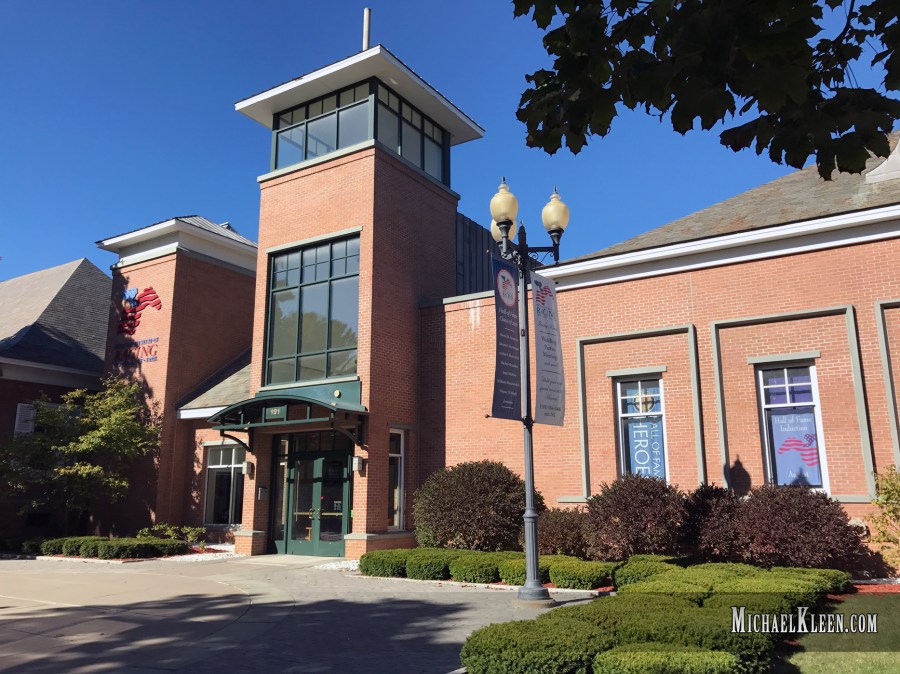
The Saratoga Race Course opened in 1863, during the American Civil War. It is the fourth oldest racetrack in the country. The National Museum of Racing and Hall of Fame was founded in 1950 and moved to its current location in 1955.
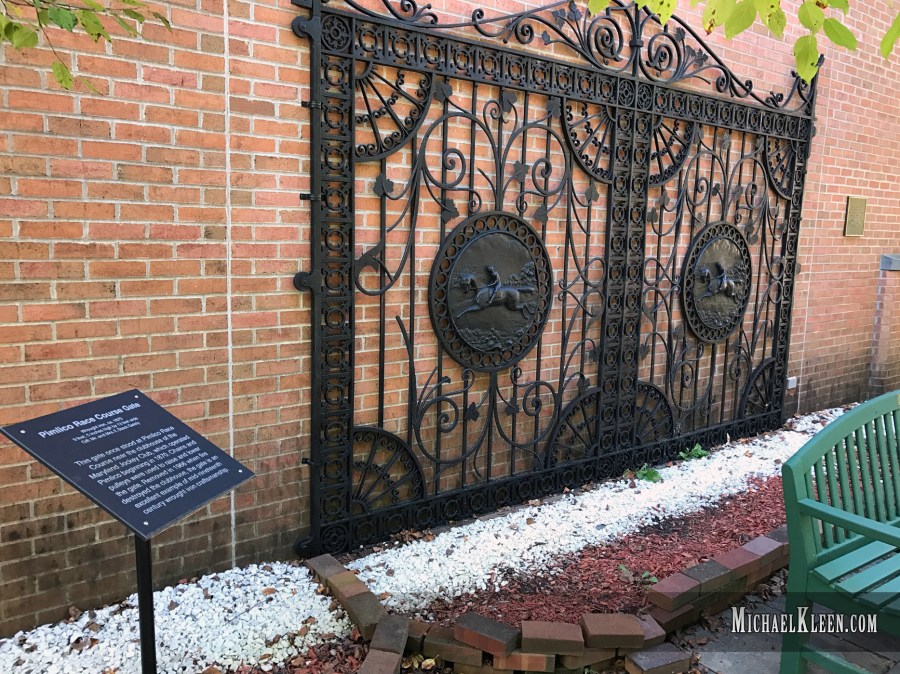
The museum takes you on an extensive tour of the history of thoroughbred horse racing, including the lineages of the horses. All thoroughbred horses can trace their ancestry back to three stallions originally imported to England from the Middle East in the 17th and 18th century: Byerley Turk, Darley Arabian, and Godolphin Arabian. Ninety-five percent of all male Thoroughbreds today trace their lineage back to Darley Arabian.
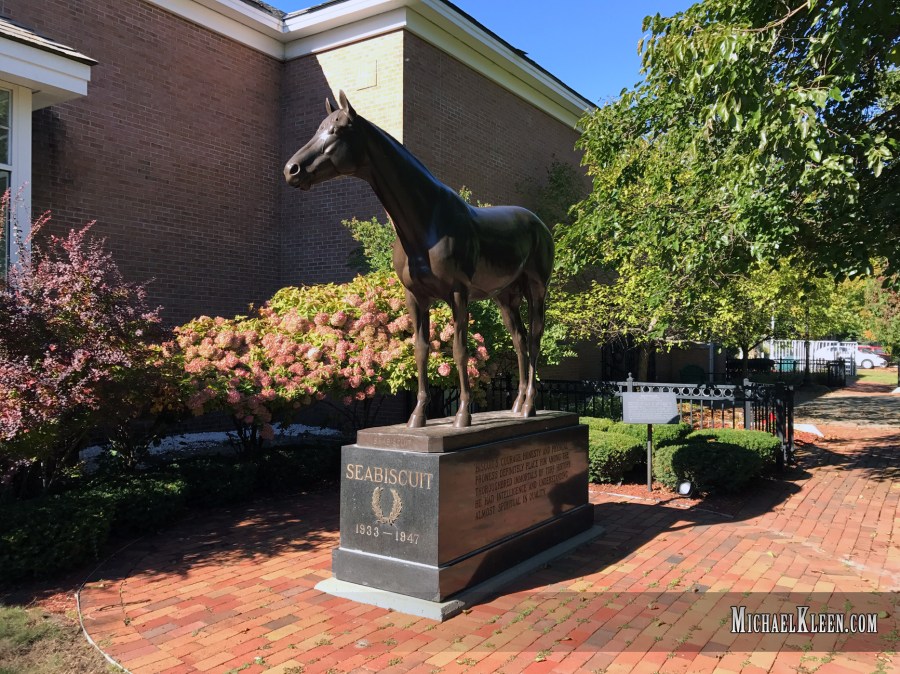
Horse racing is known as the “sport of kings,” and it’s easy to see why. There is so much wealth and tradition invested in thoroughbred horse racing. The museum maintains a collection of over 300 magnificent paintings of race horses dating back to the 1800s. Unfortunately, photography is restricted to certain areas of the museum (which doesn’t include the galleries).
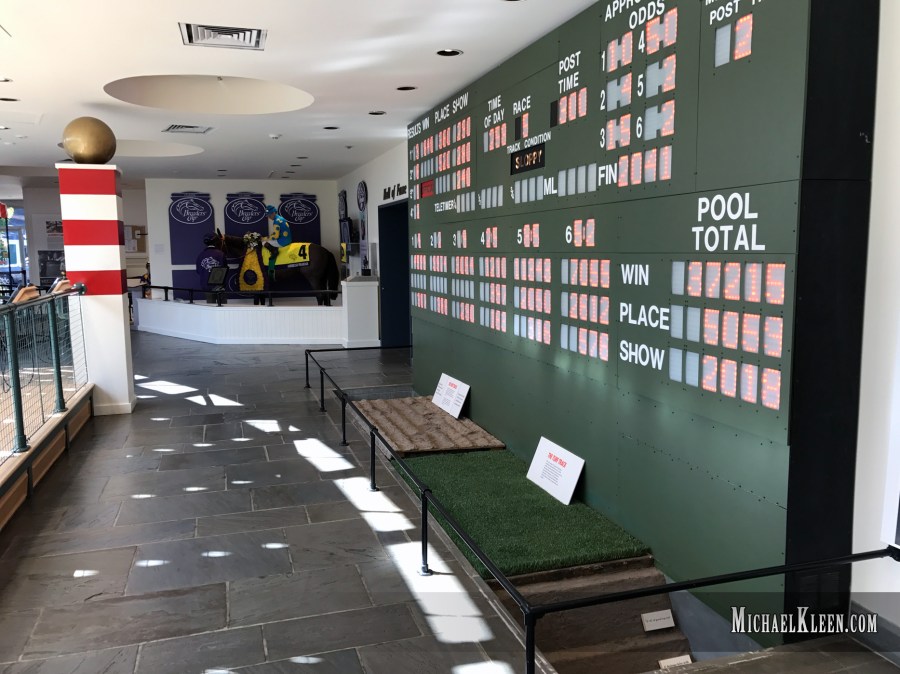
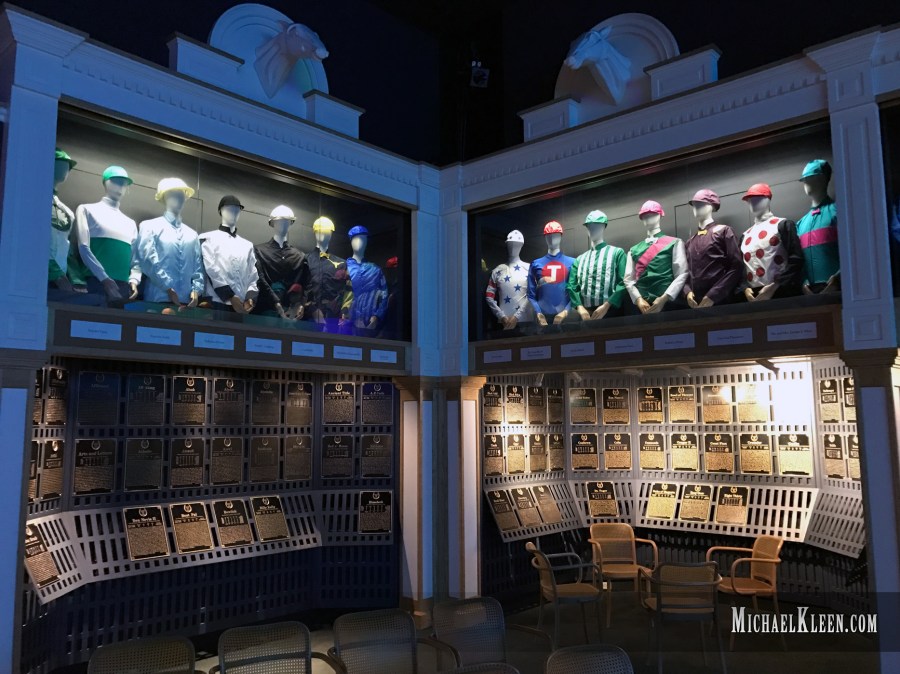
The Hall of Fame commemorates horses, jockeys, and trainers who have excelled in the sport. You can visit the hall and see the various colorful uniforms worn by the jockeys over the years, or check out the interactive exhibits in the museum. The facility also houses research archives.
The National Museum of Racing and Hall of Fame is located at 191 Union Avenue, Saratoga Springs, New York, just northwest of Saratoga Race Course. Operating times vary throughout the year. Self-guided tours are $8 for adults and $5 for seniors and students. Guided tours are only a dollar more per person. In terms of quality of exhibits and information, that’s quite a deal!


 M.A. Kleen
What are your thoughts?