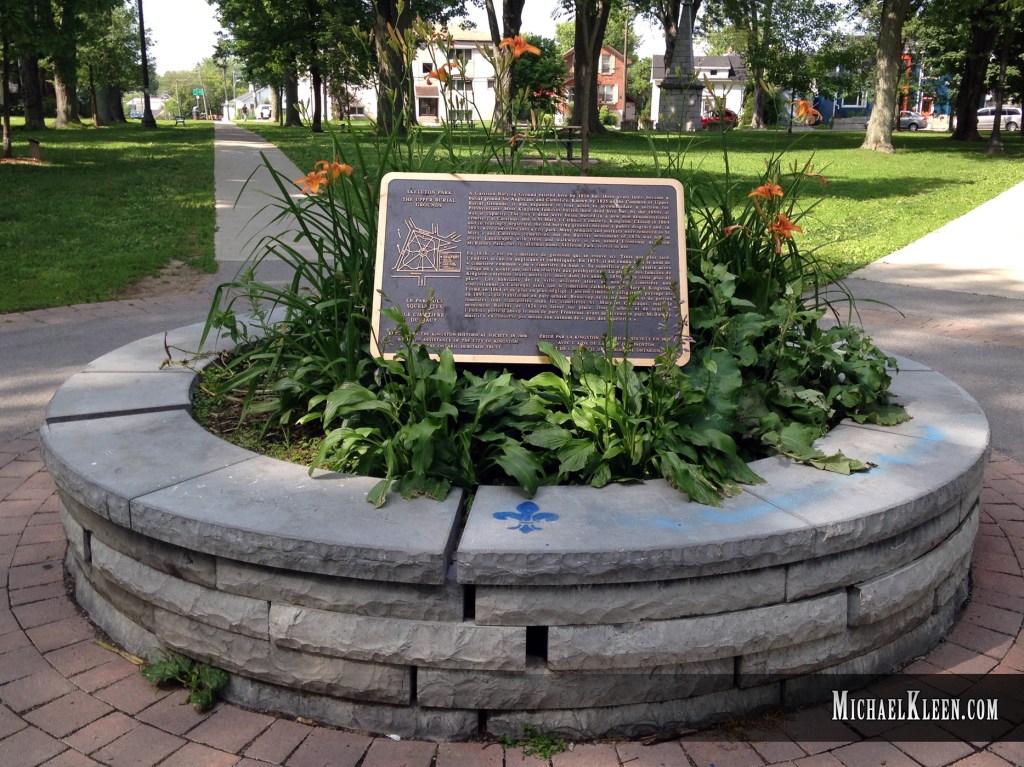
By day, McBurney Park in Kingston, Ontario, appears to be an ordinary neighborhood green space. Beneath the grass, however, lie thousands of forgotten graves, a grim history of body snatching and epidemics, and decades of ghost stories that earned the site its chilling nickname: “Skeleton Park.”
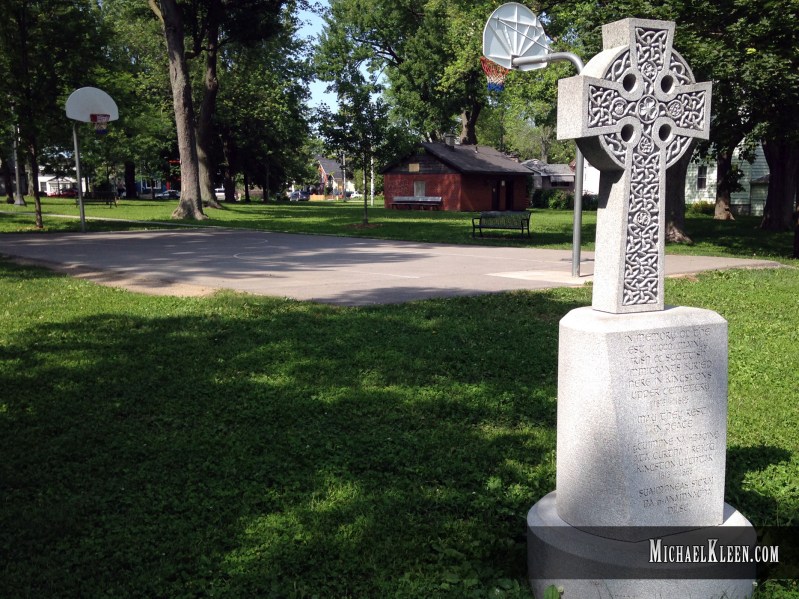
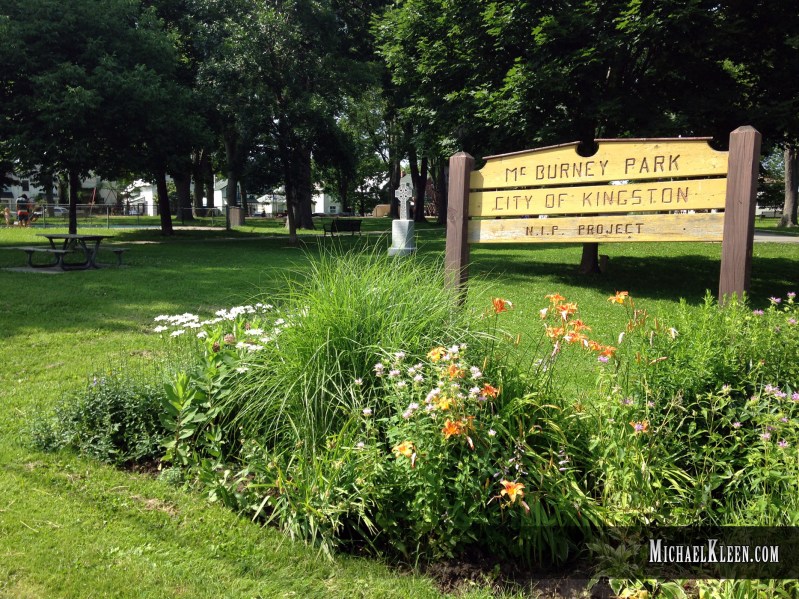
- McBurney Park in Kingston, Ontario—better known locally as “Skeleton Park”—was once a cemetery where an estimated 10,000 people were buried between 1813 and 1865.
- During the nineteenth century, grave robbers known as Resurrectionists allegedly stole bodies from the cemetery and sold them to medical students at Queen’s University.
- When the burial ground was converted into a public park in the 1890s, most of the graves were left in place and covered over rather than relocated.
- Visitors and nearby residents have reported cold spots, whispering voices, shadowy presences, and visions of the old cemetery still lingering beneath the park after dark.
A long-lost cemetery, a forgotten burial ground disturbed by construction, and hidden mass graves are the ingredients of countless horror stories. Most people expect their mortal remains to rest peacefully beneath the earth, remembered by relatives and loved ones. When those graves are disturbed, it is easy to imagine the dead rising in protest.
The grim history of McBurney Park in Kingston, Ontario, feels almost tailor-made for such legends. Known locally as “Skeleton Park,” this four-acre tract was once a burial ground for mostly Scottish and Irish immigrants. Between 1813 and 1865, an estimated 10,000 people were laid to rest there.
The park sits between Balaclava, Alma, and Ordnance streets, just a few blocks northeast of downtown Kingston. Burials began informally in 1816, and in 1825 the site officially became known as the Common, or Upper, Burial Grounds. The cemetery filled rapidly during several epidemics, including a devastating typhus outbreak in the 1840s.
Corpses were often buried quickly, sometimes only a few feet beneath the surface. Many of these hurried graves later fell prey to a criminal ring known as the Resurrectionists, who exhumed bodies and sold them to medical students at Queen’s University. To conceal their crimes, they sometimes filled the empty coffins with rocks to prevent the ground above from sinking.
If that indignity was not enough, by 1893 the burial ground had fallen into severe neglect. Weeds choked the cemetery, and roaming cattle had toppled many of the headstones. The City of Kingston eventually decided to convert the property into a public park and asked relatives of the deceased to pay for the disinterment and reburial of their loved ones. Only about one hundred bodies were ever removed.
When the American consul learned that victims of typhus were being exhumed, he reportedly threatened to close the port out of fear that disturbing the graves could spark another outbreak.
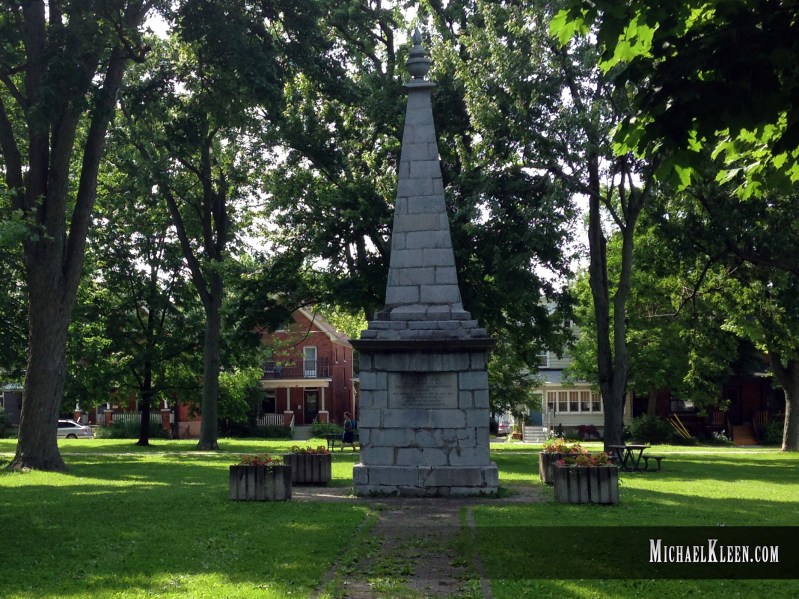
Despite the controversy, the City of Kingston moved forward with its plans. The remaining headstones were flattened, covered with soil, and buried beneath newly planted grass. Today, only a single monument remains standing: an obelisk dedicated to the city’s first Presbyterian minister.
In the 1950s, neighborhood boys reportedly unearthed skulls from the park and mounted them on their bicycles. They even used old headstones as bases during games. Later, when the city installed playground equipment and a wading pool, construction crews accidentally uncovered additional human remains. Today, two markers commemorate the thousands still buried just beneath the surface of the park.
Such a history almost inevitably gave rise to ghost stories. According to Glen Shackleton, author of Ghosts of Kingston, residents living near the park have reported unsettling experiences. Two students, unaware of the site’s grim past, rented an apartment on Ordnance Street. They soon sensed something strange about the nearby park, especially after one of the young women experienced a vision of a fog-shrouded cemetery one evening. Not long afterward, disturbing events reportedly began occurring inside their apartment as well.
“Both women began to feel a cold chill whenever they were there alone, and at other times experienced the feeling of being trapped or boxed in,” Shackleton wrote. “They sensed a strange presence… and on several occasions they and some visitors reported hearing the sound of a man and a woman whispering to each other very close by.” The women described the presence as dark and sinister.
To outward appearances, McBurney Park is a pleasant place to bring the family on a warm summer afternoon. After nightfall, however, “Skeleton Park” comes alive with darker legends. Broken headstones still protrude from the grass, grim reminders of the painful history buried beneath. Visitors should remain respectful and remember that thousands of people still lie just below the surface. You never know what angry spirits you may unintentionally disturb.
Donate
Enjoy what you read? Please consider making a one-time donation to support my research.
Enjoy what you read? Please consider making a monthly donation to support my research.
Enjoy what you read? Please consider making a yearly donation to support my research.
Choose an amount
Or enter a custom amount
Your contribution is appreciated.
Your contribution is appreciated.
Your contribution is appreciated.


What are your thoughts?