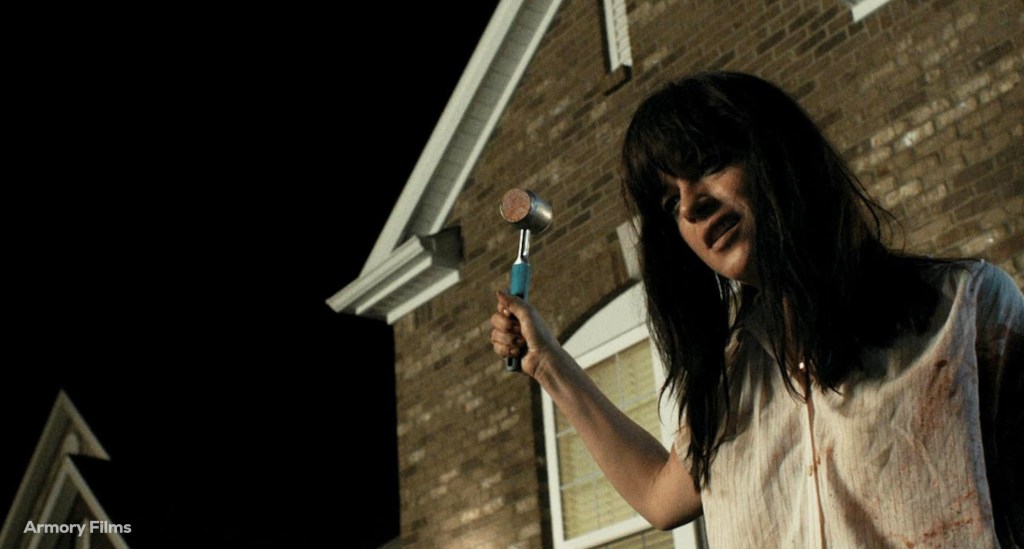
Behind every white picket fence is a story waiting to unravel, and in suburban gothic horror, the characters are the key to unlocking its darkest secrets. Explore how archetypes like the perfect housewife, the paranoid neighbor, and the repressed villain turn idyllic neighborhoods into chilling battlegrounds of suspense and fear.
Suburbia has long been a symbol of the American Dream—a safe haven for families, offering comfort, stability, and a sense of community. With its manicured lawns, symmetrical streets, and orderly routines, it promises refuge from the chaos of urban life. Yet in suburban gothic horror, this carefully constructed paradise becomes a fertile ground for terror. The genre thrives on the tension between the surface-level tranquility of suburbia and the darker truths hidden behind its white picket fences.
At the heart of suburban gothic horror lies its characters—archetypes that personify the contradictions of suburban life. These figures embody the fears, anxieties, and suppressed desires that the idyllic setting struggles to contain. Whether it’s the perfect housewife battling the suffocating weight of societal expectations, the paranoid neighbor whose suspicions lead them into dangerous territory, or the repressed villain who turns their frustrations into chaos, these archetypes drive the narratives that expose the cracks in suburban perfection.
Films like American Beauty (1999), Disturbia (2007), and Mom and Dad (2017) take these archetypes to chilling extremes, using them to unravel the fragile facade of suburbia and explore the human flaws it conceals. These stories remind us that even in the most picturesque neighborhoods, darkness thrives. Through the lens of these characters, suburban gothic horror critiques conformity, repression, and the very dream of suburban utopia, turning the everyday into a stage for fear and suspense. In this article, I’ll delve into the archetypes that define the genre, revealing the monsters next door—and the ones lurking within.
The Paranoid Neighbor: The Suburban Sleuth
In suburban gothic horror, paranoia is often personified in the figure of the “nosy neighbor” or amateur detective. These characters are driven by a suspicion that their seemingly tranquil surroundings hide something sinister, a suspicion that usually proves true.
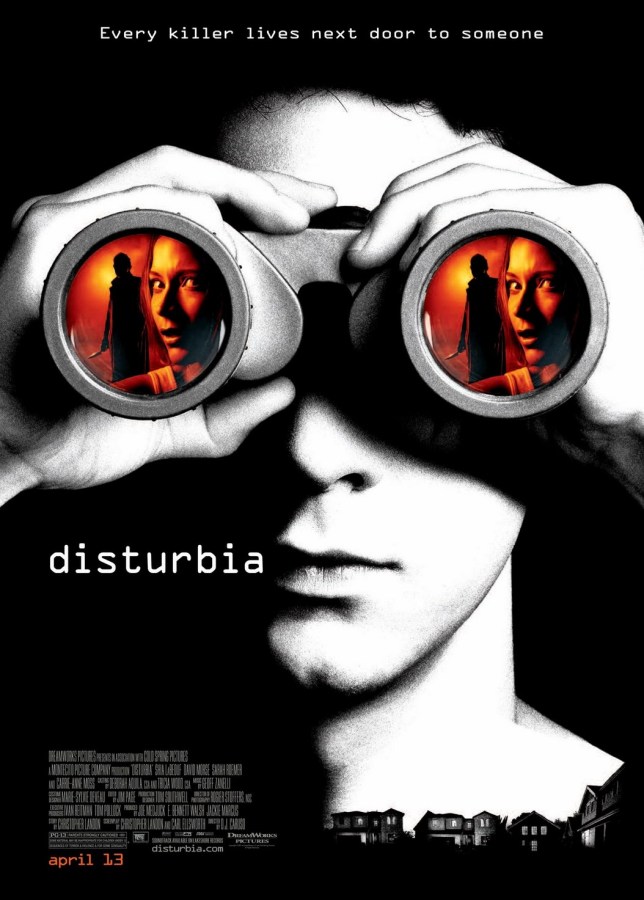
In Disturbia (2007), Kale Brecht (Shia LaBeouf) fills this role, though his journey begins reluctantly. Confined to house arrest after an outburst at school, Kale’s boredom turns to curiosity as he begins spying on his neighbors. His voyeurism evolves into obsession when he suspects Robert Turner, a quiet and enigmatic neighbor, of being a serial killer. Kale’s paranoia escalates into dangerous territory, forcing him to confront not only the horrors outside but also the grief and guilt haunting his own home.
The archetype of the paranoid neighbor is also seen in The ‘Burbs (1989), where Ray Peterson channels his suburban dissatisfaction into obsessive surveillance of the strange Klopek family. Both Kale and Ray embody the genre’s central theme of suspicion: in suburbia, where appearances are everything, the unknown becomes a source of terror. These characters act as audience surrogates, their growing unease mirroring our own as we question what lies behind the curtains of suburban normalcy.
The Perfect Housewife: The Keeper of the Facade
Suburbia often positions women as the stewards of perfection, expected to maintain pristine homes and harmonious families. But in suburban gothic horror, the “perfect housewife” is often trapped by these expectations, her outward composure concealing inner turmoil.
In Mom and Dad (2017), Kendall Ryan (Selma Blair) initially epitomizes the suburban mom trying to bridge generational divides. She struggles to connect with her teenage daughter Carly, who dismisses her as irrelevant and outdated. However, when an unexplained static signal triggers homicidal urges in parents to kill their own children, Kendall’s role as nurturer is upended. She becomes a literal threat to her kids, her desire for control transformed into lethal violence. Kendall’s descent exposes the genre’s underlying critique: the societal pressures on women to embody both authority and compassion can easily warp into something destructive under strain.
Similarly, American Beauty’s Carolyn Burnham demonstrates how the “perfect housewife” archetype can crack under suburban monotony and materialism. Carolyn’s rigid control over her environment masks deep unhappiness, and her rebellion—through infidelity and obsessive self-improvement—serves as both an attempt at liberation and a critique of the impossible standards placed on suburban women.
The Repressed Villain: The Monster Within
Suburban gothic horror frequently positions its villains as outwardly ordinary figures whose suppressed desires or frustrations erupt into violence. These characters embody the genre’s critique of repression, showing how suburban ideals of control and conformity can mask dangerous impulses.
In Disturbia, Robert Turner initially appears as a mild-mannered loner, his quiet demeanor blending seamlessly into the suburban background. However, Kale’s investigation reveals Turner’s chilling double life as a serial killer who exploits suburbia’s trust and isolation to commit his crimes undetected. Turner’s transformation from unassuming neighbor to terrifying predator underscores a central tenet of suburban gothic horror: the monsters we fear are often hiding in plain sight.
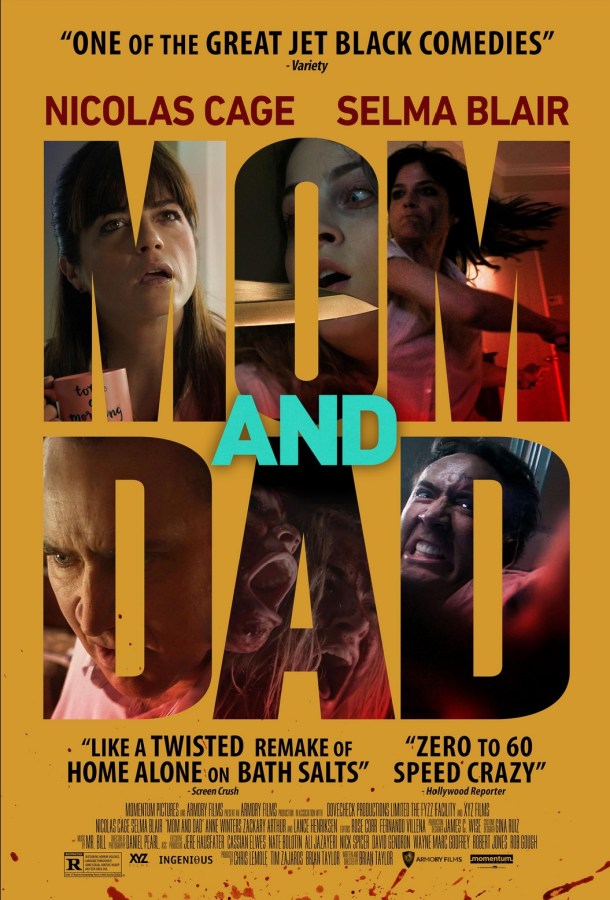
A more chaotic take on this archetype appears in Mom and Dad. Brent Ryan (Nicolas Cage), driven by the same static signal that afflicts Kendall, becomes a caricature of repressed suburban masculinity. His frustrations with aging, professional stagnation, and loss of independence boil over as he chases his children with homicidal zeal. Brent’s rampage reflects the genre’s recurring theme that repression—be it emotional, societal, or psychological—can mutate into uncontrollable violence.
The Outsider: The Catalyst for Chaos
In suburban gothic horror, the “outsider” archetype often serves as a catalyst, forcing the community to confront its flaws. Outsiders may be eccentric neighbors, marginalized individuals, or even supernatural forces, but their presence always disrupts the fragile balance of suburban life.
In Disturbia, Robert Turner functions as both villain and outsider. His solitary lifestyle and secretive behavior make him an object of suspicion, and his true nature exposes the vulnerability of a community that prides itself on safety and predictability. Turner’s very existence challenges the suburban ideal, showing how easily it can be shattered by the presence of someone who doesn’t conform.
Similarly, in Mom and Dad, the static signal acts as a metaphorical outsider, infiltrating suburban life and exposing the suppressed frustrations within every household. This external force magnifies the inherent tensions of suburban living, turning familiar spaces like kitchens and basements into battlegrounds of survival.
The Disillusioned Rebel: Breaking the Mold
The “disillusioned rebel” archetype is a staple of suburban gothic, representing individuals who reject suburban norms and seek freedom from its confines. However, their rebellion often comes at a steep cost, as these characters struggle to escape the systems that bind them.
In Disturbia, Kale’s rebellion begins with his punch at school, an act that lands him under house arrest and sets the plot in motion. His frustration with suburban monotony and his grief over his father’s death fuel his defiance, but they also blind him to the dangers of his voyeuristic pursuits. Kale’s rebellion ultimately leads him to uncover Turner’s crimes, proving that while breaking the mold can reveal hidden truths, it often comes with consequences.
Lester Burnham from American Beauty is another example of this archetype. Lester’s rejection of his suburban life—quitting his job, pursuing a teenage fantasy, and indulging in hedonism—serves as both a critique of suburban conformity and a cautionary tale about selfish rebellion. While his actions expose the emptiness of suburban ideals, they also lead to his downfall, suggesting that true escape from suburbia’s grip is nearly impossible.
Conclusion
Suburban gothic horror thrives on its characters, each archetype revealing a different facet of the fears and anxieties lurking beneath the surface of suburban life. From the perfect housewife struggling to maintain appearances to the paranoid neighbor uncovering hidden truths, these figures embody the genre’s central themes of repression, conformity, and the fragility of perfection.
Through films like Disturbia and Mom and Dad, these archetypes challenge the idyllic image of suburbia, showing that behind every manicured lawn lies a story of chaos, fear, and humanity’s darkest impulses. Whether they’re protecting facades, unraveling secrets, or breaking the mold, these characters remind us that in the world of suburban gothic, no one is as ordinary—or as safe—as they seem.

 M.A. Kleen
What are your thoughts?