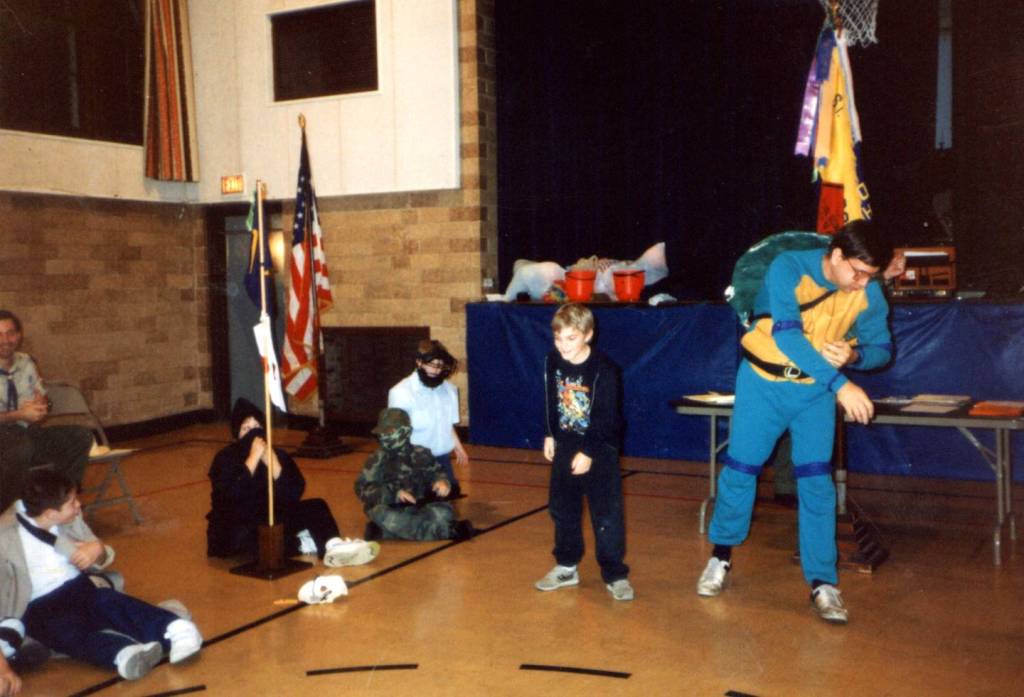
Halloween in the ’80s and ’90s felt like it belonged to kids—handmade costumes, unsupervised trick-or-treating, and neighborhood streets buzzing after dark. Today, it’s more likely to revolve around adult parties, store-bought everything, and early curfews. Let’s explore how the holiday has changed, and why it still matters.
Search for “Halloween” online and you’ll find no shortage of articles and videos claiming the holiday felt more special in the 1970s, ’80s, and ’90s. While always heavy on nostalgic references, their creators usually only hint at the answer. It’s easy to get swept up in memories of old commercials, movies, and songs—zeroing in on the familiar symbols of Halloween.
Part of what defines a holiday is its recognizable visual and cultural language. What is the cultural language of Halloween? Orange, black, purple, and green; images of ghosts, goblins, pumpkins, and vampires; kids in costume roaming the neighborhood.
And while those symbols matter, they haven’t changed much in forty years. We still hear the same Halloween songs, watch the same movies, and go trick-or-treating. So why does the holiday feel so different now?
I grew up on Henry Avenue in suburban Des Plaines, Illinois, in the 1980s and ’90s. There were at least five or six families on our block with kids around my age—some a little older, some younger—but we were all children of Baby Boomers.
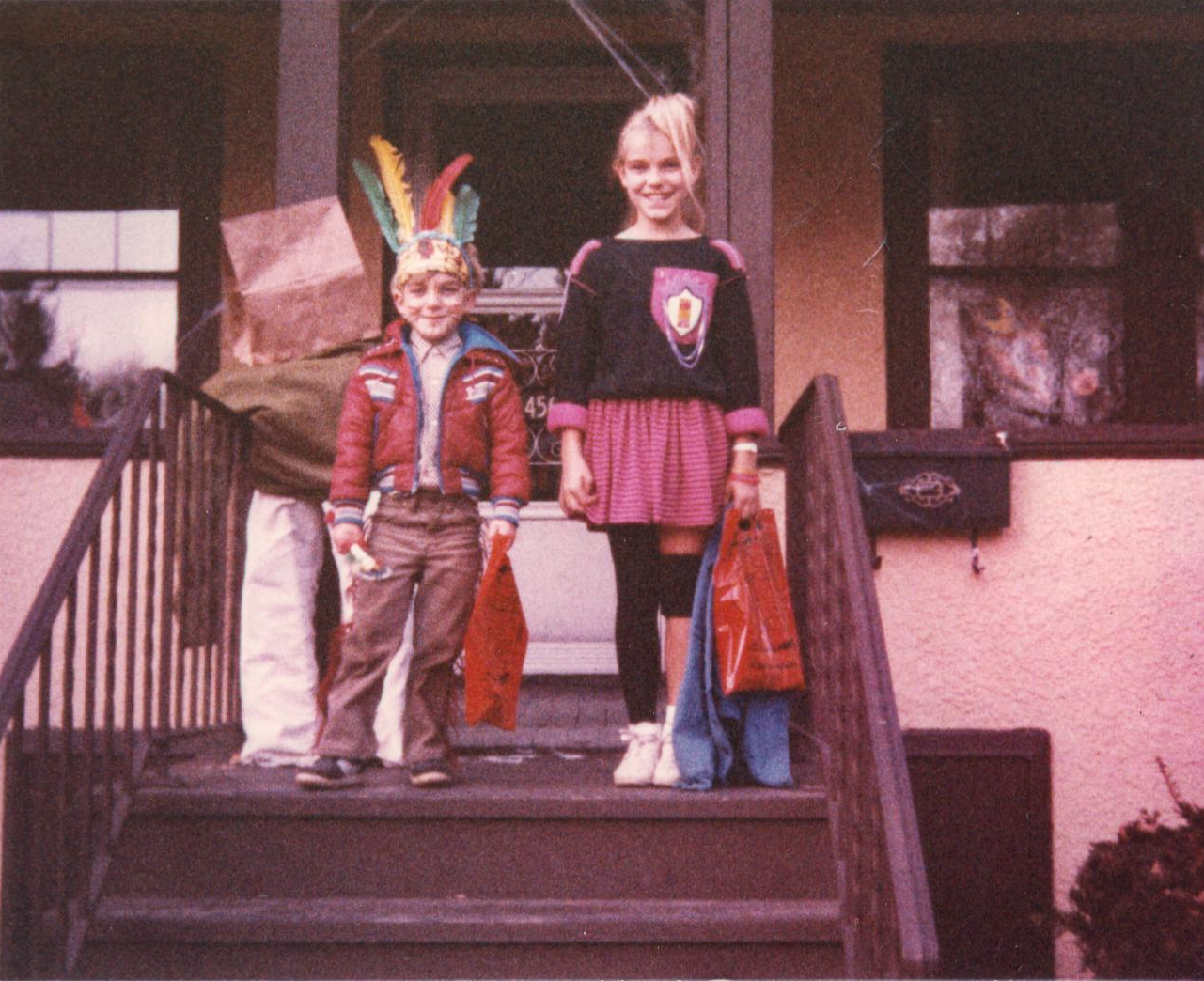
We wore our costumes to school, made the usual crafts like pumpkins cut from construction paper, and marched in a little Halloween parade. After school, we’d rush home to hit the neighborhood in groups, the younger kids looked after by the teenagers. Our parents never came with us. We trick-or-treated until after dark, then dumped our candy on the floor to assess the haul and caught up on Halloween-themed episodes of our favorite TV shows.
Once everyone was home for the night, we’d head to the Sammons’ house for their annual Halloween party, where we traded candy and watched movies like Ernest Scared Stupid, Beetlejuice, and The Monster Squad.
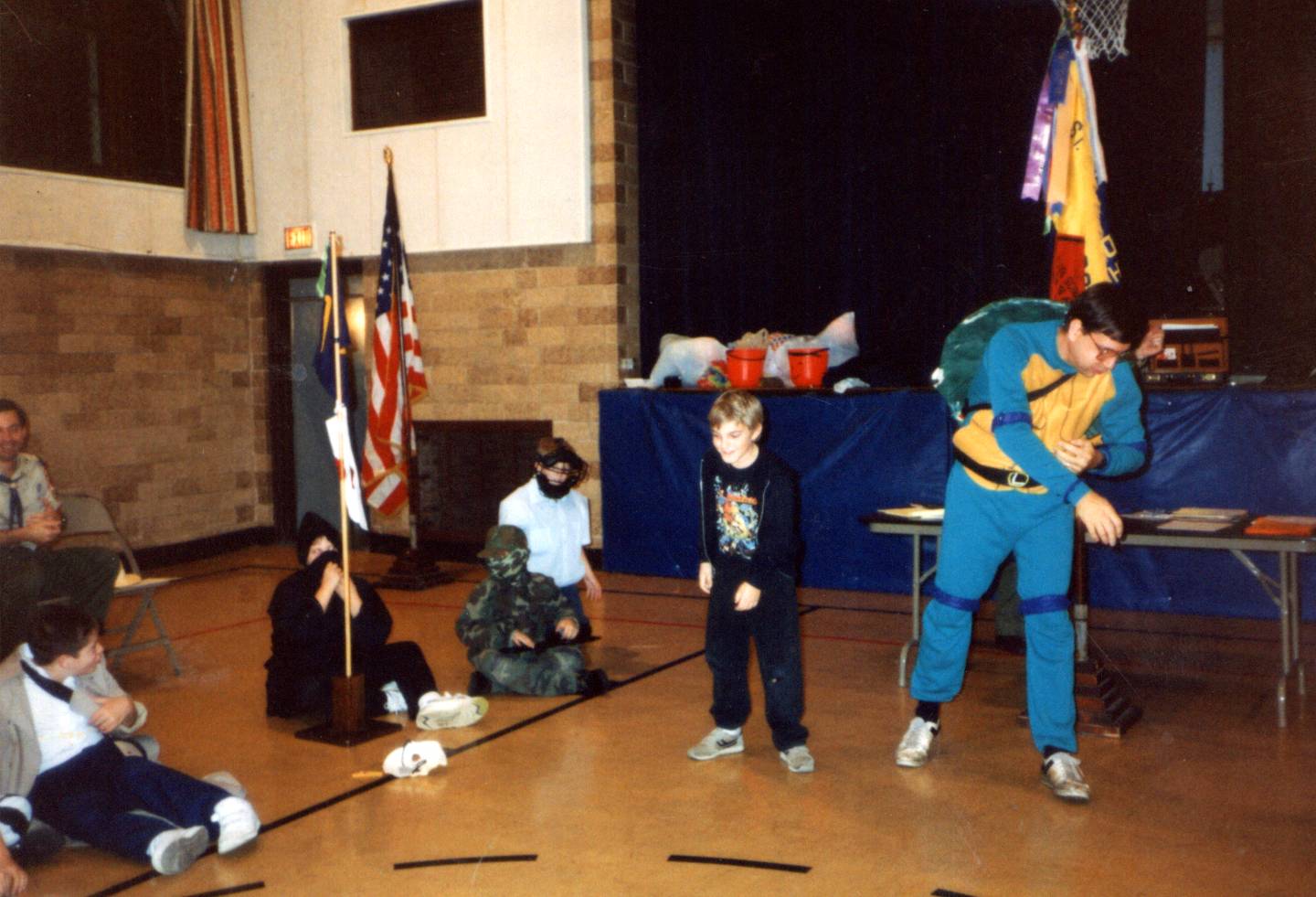
This type of Halloween wasn’t unique to my neighborhood. Ralph Koeninger, who grew up in the ’60s and ’70s, remembers putting on his costume right after school and staying out trick-or-treating with friends until 10 p.m., no parents, no curfews, no safety worries. “We didn’t start to worry until the late ’70s about checking your candy,” he said. “We were kids having a great time. No trick-or-treat hours at all.”
Cindy Huber, who grew up in Rockford, Illinois, recalls trick-or-treating only after dark and making costumes out of whatever was around the house—ghosts made from old sheets, hobos and grannies in hand-me-down clothes and baby-powdered hair. “We just stayed out until about 9:00 or so,” she said. “Our party was getting free candy as we went door-to-door. It was just good fun. It wasn’t ghoulish.”
I also recall wearing a homemade costume for most Halloweens: a soldier, the Grim Reaper, made with whatever we had around the house. More often than not, kids wore improvised costumes made from pajamas, painted cardboard cut outs and those plastic masks from Ben Cooper, Inc.
Karen Bergeron fondly remembers the homemade treats—popcorn balls, cookies, and candy apples—handed out by neighbors they knew and trusted. “That was my favorite stop,” she said. These personal, local traditions rooted Halloween firmly in the neighborhood and community.
As I got older, something about the holiday started to shift—subtly at first, then unmistakably. I’ve written before about how Halloween feels different now than it did back then, and judging by the flood of nostalgic retrospectives, I’m not alone. But was the change real, or just a natural result of growing up and seeing things through older eyes?
I was born in 1981, placing me somewhere between Gen X and Millennial. I graduated high school and entered adulthood in the year 2000, a pivotal moment when profound demographic shifts were taking hold. As my classmates and I came of age, corporate culture evolved, and it felt like the world was “growing up” right alongside us.
That sense of collective maturation was amplified by rapid technological change. When I was in elementary school, the tools we used every day were closer to what you’d find in the 1950s than to anything you’d see today. By contrast, kids born in 2000 never knew a world without the internet, cable TV, or cell phones.
This massive shift in how we communicate and consume information has shaped the way we remember the past. The 1980s, and, to a degree, the ’90s, are often seen as more “analog” and innocent. Part of that is rooted in the actual technology of the time, but part of it is the natural simplicity of a child’s view of the world. As we grew up, technology matured with us, reshaping not just how we lived, but how we remember—especially when it comes to traditions like Halloween.
The reason Halloween feels so different today is the same reason a trip to McDonald’s doesn’t feel like it did when we were kids. It’s not just that we’ve grown up—the target audience has changed. While the branding and core menu are still recognizable, McDonald’s has steadily shifted its focus toward single adults. The restaurants themselves have gone from bright, kid-friendly spaces to bland, corporate, café-style settings designed for working professionals.
Halloween has followed a similar path. What was once a kid- and family-focused holiday in the ’80s and ’90s has gradually evolved into more of a “party” holiday, often aimed at single young adults. Bruce Cline, who grew up in the 1960s, put it bluntly: “Halloween was a community and neighborhood-based event for kids. It was filled with ghost stories, fun and games. Halloween currently seems to focus on slutty costumes, violence, and over-the-top gore. Halloween just isn’t as much fun.”
Michael Kravchuk sees it as a double-edged sword. “Pro and con—the holiday has become very commercialized. I believe it’s the second biggest holiday next to Christmas,” he said. With Halloween superstores popping up earlier each year and selling increasingly elaborate decorations, costumes, and props, “everybody is getting into the spirit,” as he put it. But at the same time, “parents aren’t as willing to let kids basically canvas the entire neighborhood for all their treats,” and schools have restricted what kids can wear or bring, dialing back the spontaneous fun.
So what caused this shift? The demographic trends are hard to ignore. Americans today are, on average, older and more likely to be single or married without children. Consider this: in 1970, 67% of Americans aged 25 to 49 lived with a spouse and at least one child under 18. By 2021, that number had dropped to just 37%. People are marrying later and having fewer kids.
By the 1990s, married couples with young children made up less than half of all households. Corporations began to take notice in the early 2000s. The money—and cultural influence—had shifted, prompting businesses to rethink how they market and shape holidays like Halloween.
Halloween didn’t just change because we got older—it changed because the world around it did. As families shrank, neighborhoods quieted, and tech reshaped how we connect, the holiday followed suit. What was once a kid-centered, community-based ritual became a commercialized spectacle, rebranded for adults and optimized for Instagram. But that doesn’t make our memories any less real, or the shift any less noticeable.
If the magic feels like it’s gone, maybe it’s because so much of that magic was homemade—built from cardboard costumes, popcorn balls, and the thrill of walking your own block in the dark. We can’t bring back the past, but we can choose what parts of it are worth reviving. Maybe it starts with turning the porch light back on and remembering who Halloween was really for.


 M.A. Kleen
What are your thoughts?