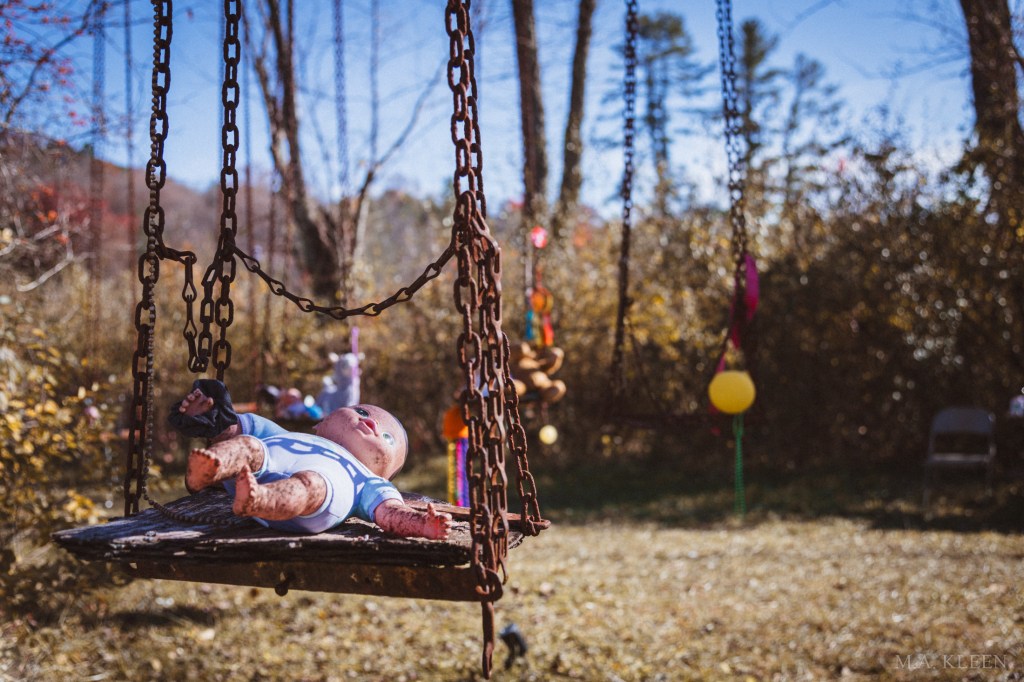
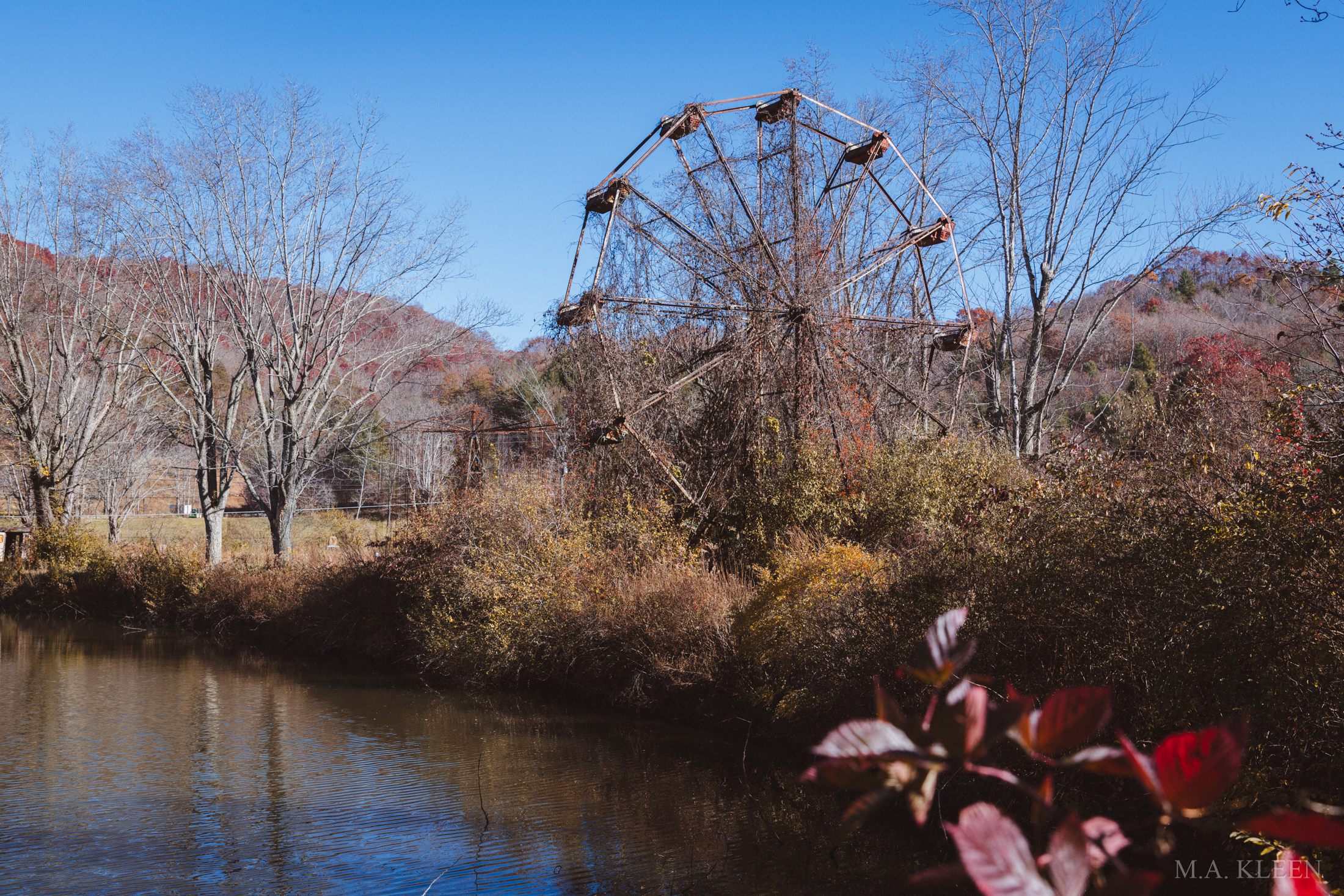
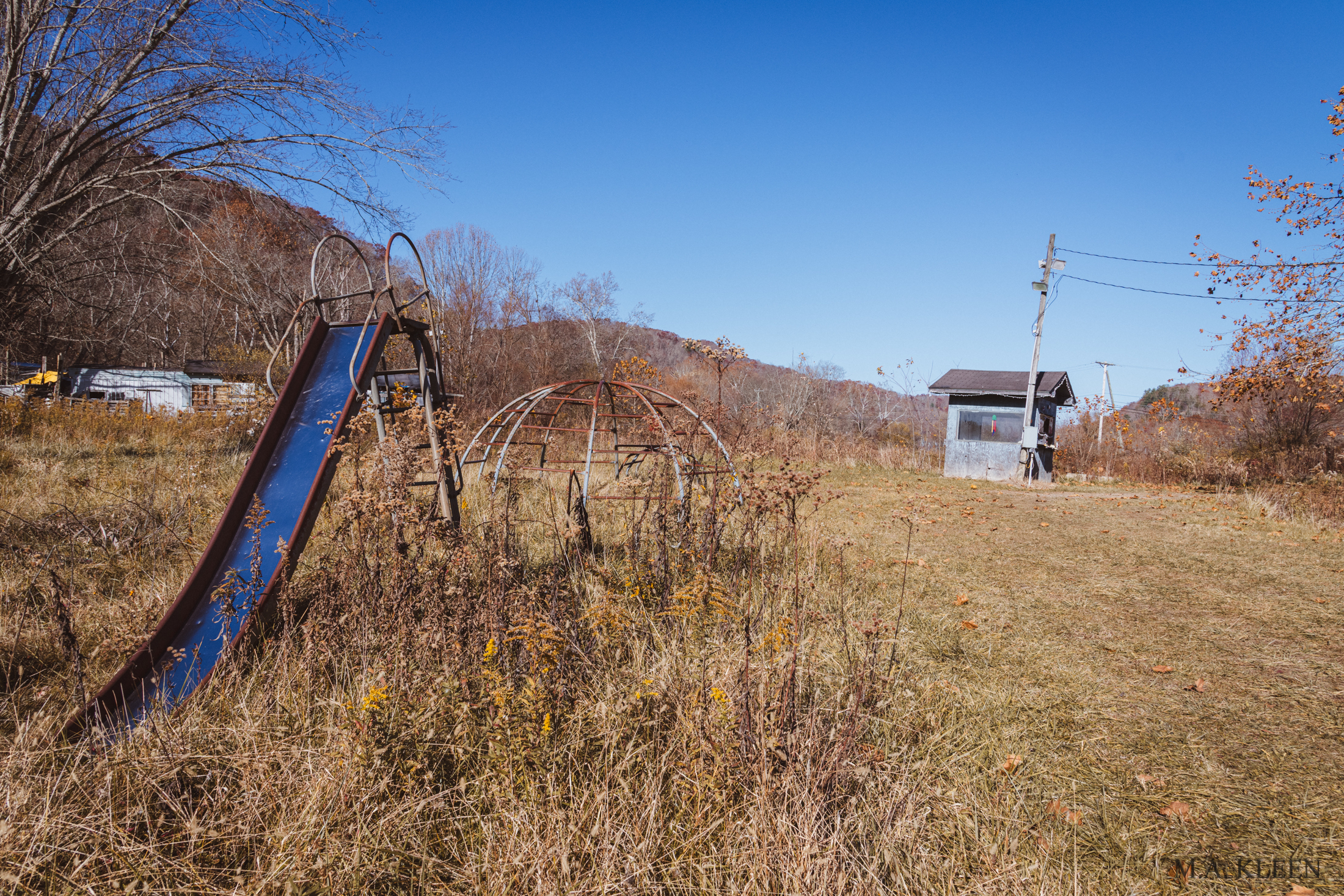
Long before rusted carnival rides creaked in the Appalachian wind, this patch of ground witnessed bloodshed, vengeance, and heartbreak. Today, Lake Shawnee Amusement Park is abandoned, but not empty. Visitors still come, drawn by whispers of a curse and the spirits said to walk its haunted paths.
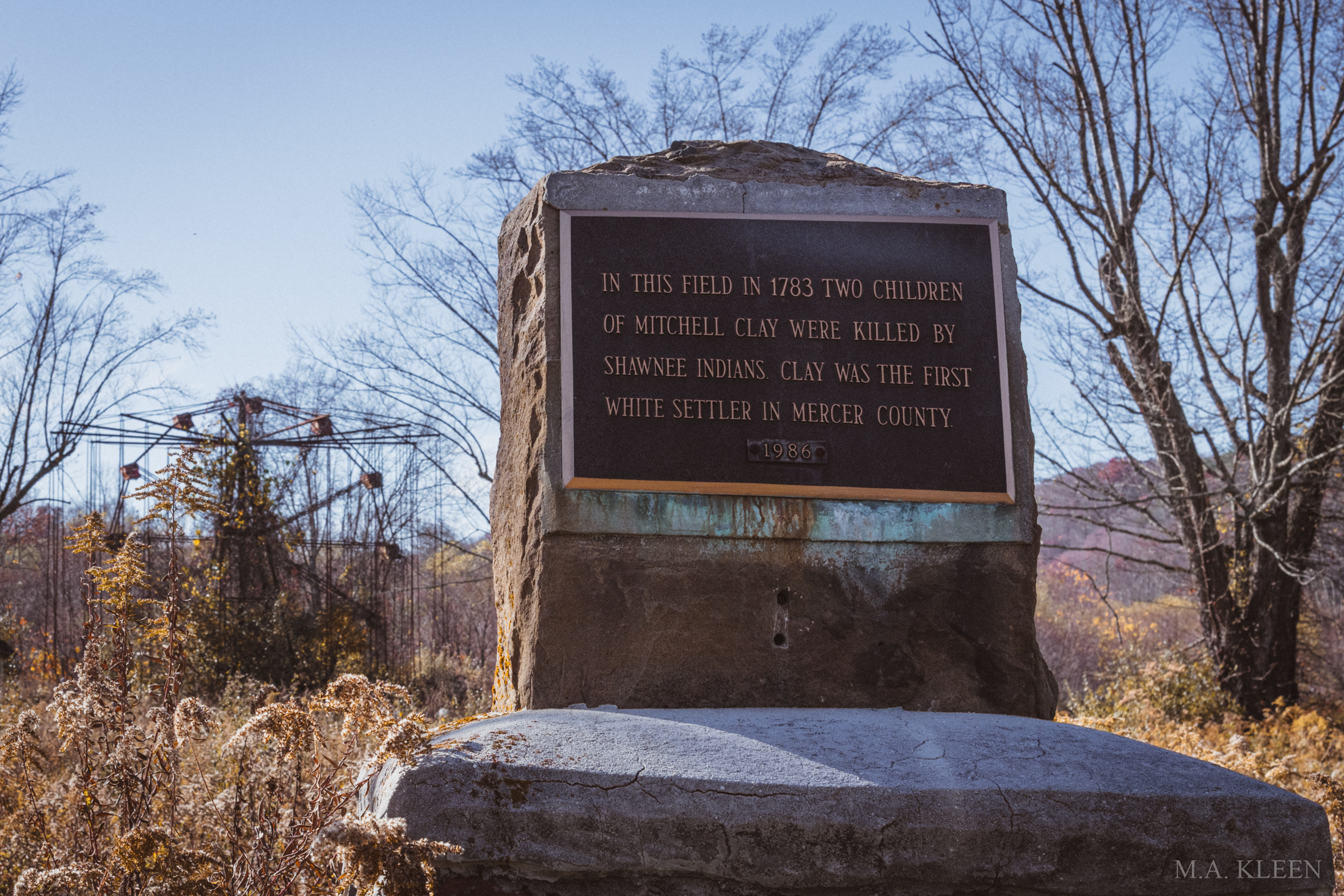
- Lake Shawnee Amusement Park was built on land where two of the Clay family’s children were killed in a violent 1783 Shawnee raid.
- The ghost of a little girl in a pink dress is said to haunt the swing ride where she died in the 1960s.
- The site has been featured on numerous paranormal TV shows, including Scariest Places on Earth, Most Terrifying Places in America, and Portals to Hell—bringing global attention.
- At least six skeletons, mostly of young children, were unearthed in the 1990s, confirming the site was once an American Indian burial ground.
What comes to mind when you imagine a spooky, abandoned amusement park? Rusting Ferris wheels, overgrown carousels, and perhaps a forgotten burial ground lurking beneath the soil? If so, you might be thinking of Lake Shawnee Amusement Park in Mercer County, West Virginia.
Lake Shawnee is a small, manmade lake nestled along the Bluestone National Scenic River. In the mid-eighteenth century, this area was part of the western frontier of Virginia, claimed as hunting territory by the Shawnee. Tensions between the native inhabitants and colonial settlers escalated as more families moved into the region.
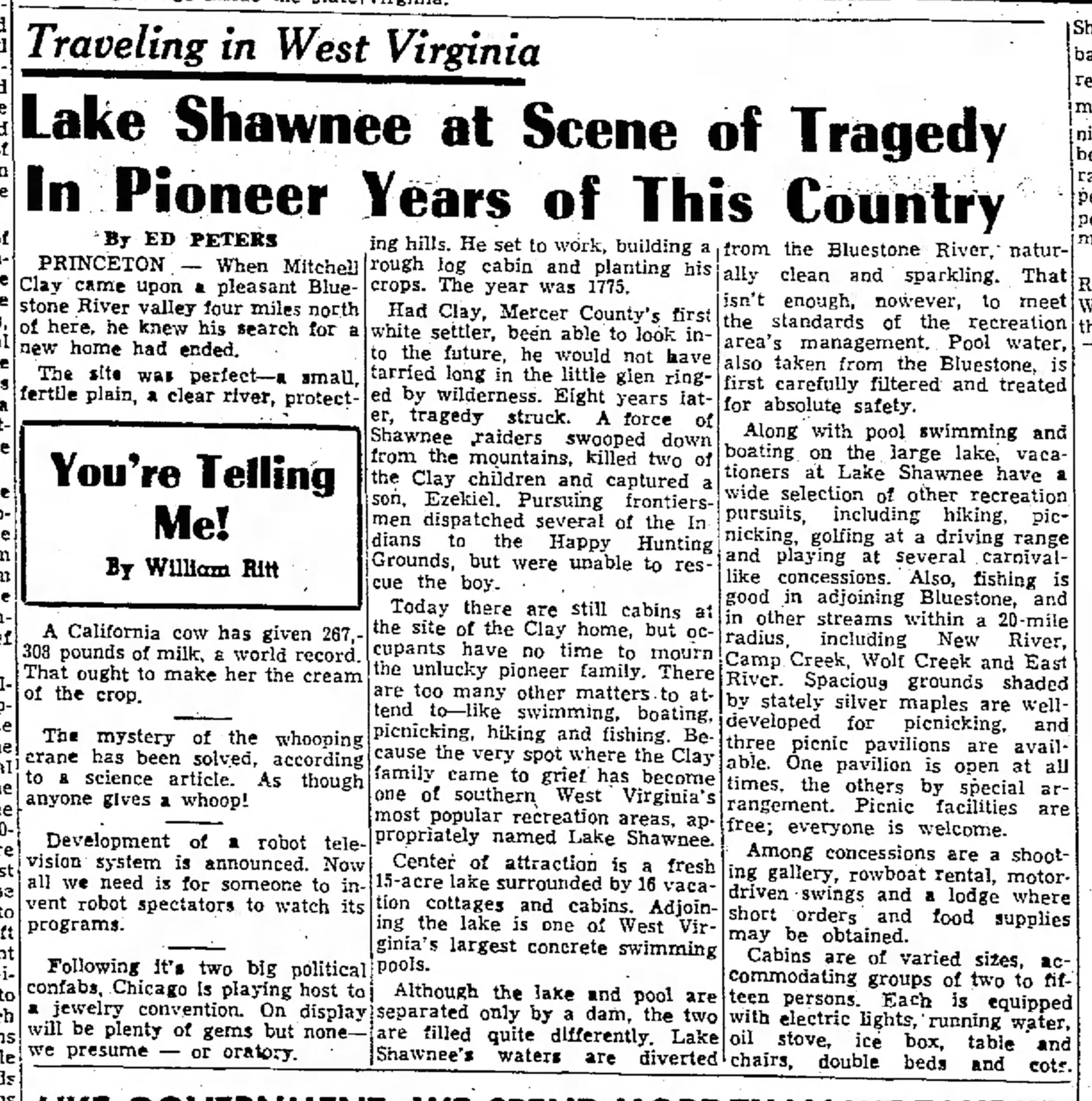
One of the first was Mitchell Clay, who in 1775 settled near Clover Bottom with his wife Phoebe and their children. For several years, they lived undisturbed, but in August 1783, their peace was shattered. That summer, after harvesting his crop, Mitchell left home to go hunting. He instructed his sons Bartley and Ezekiel to build a fence around the grain stacks while his daughters washed clothes at the river.
A party of eleven Shawnee warriors, seeking revenge for encroachment on their lands, approached the farm. They crept silently to the edge of the field and shot Bartley.
One of the daughters, Tabitha, rushed to defend her brother but was fatally stabbed in a brutal struggle. The younger children fled, but Ezekiel was captured and taken to Ohio, where he was later burned at the stake. When Clay returned and discovered the grisly scene, he joined a pursuit that killed several of the attackers. The children were buried near the homestead. Their graves remain there to this day.
Why, 143 years later, Conley Trigg Snidow thought this was an ideal place to build an amusement park is anyone’s guess. Yet in 1926, he did just that. He transformed the site into a lakeside resort featuring a Ferris wheel, swimming pool, dance hall, and swing ride.
The park thrived for a time but never escaped the shadow of its grim past. Accidents plagued the grounds. A little girl died after being struck by the swing ride. Another child drowned in the pond. By the time the park closed in 1966, at least six deaths had occurred on the property.
In the late 1980s, a former employee named Gaylord White tried to reopen the park. His plans faltered after just two years, but not before he made a chilling discovery. During excavation for a new attraction, crews unearthed human bones. Archaeologists later confirmed the presence of a Native American burial ground with at least thirteen graves, many of them children.
With so much tragedy layered across centuries, it is little wonder that people believe the land is cursed. The contrast between carnival laughter and ancestral mourning gives the site a deeply unsettling atmosphere. Those who visit today often speak of unexplained sounds, swings moving on their own, or ghostly figures flitting between the trees.

Hey, Sleuthhounds!
If you were designing a haunted attraction or escape room based on Lake Shawnee, what features would you include and why?
Lake Shawnee’s reputation has grown thanks to appearances on Ghost Lab, Scariest Places on Earth, Most Terrifying Places in America, and Portals to Hell. Paranormal investigators have captured audio recordings of children’s voices and cold spots that defy explanation. Some claim to have seen a little girl in a pink dress wandering among the rusting rides, always vanishing before she can be approached.
Each October, the park reopens for haunted tours. Guides walk visitors through the decaying grounds by firelight, recounting stories of death and haunting. Skeptics leave curious. Believers leave shaken. And some leave carrying something more.
The land beneath Lake Shawnee has absorbed generations of sorrow and violence. Whatever peace it once offered has long since been disturbed. Whether viewed as a cautionary tale, a genuine haunting, or a tragic footnote in frontier history, Lake Shawnee remains one of the most unnerving places in Appalachia.
Donate
Enjoy what you read? Please consider making a one-time donation to support my research.
Enjoy what you read? Please consider making a monthly donation to support my research.
Enjoy what you read? Please consider making a yearly donation to support my research.
Choose an amount
Or enter a custom amount
Your contribution is appreciated.
Your contribution is appreciated.
Your contribution is appreciated.
DonateDonate monthlyDonate yearlySources
Donnelly, Shirley. “Lake Shawnee Massacre Is Detailed,” Beckley Post-Herald (Beckley, WV) 3 November 1972.
“Lake Shawnee Amusement Park.” Portals to Hell. Season 2, episode 18. Travel Channel. Aired May 1, 2021.
Most Terrifying Places in America, Part 5. Directed by Anthony Kraus. Travel Channel. Aired October 8, 2010.
Peters, Ed. “Lake Shawnee at Scene of Tragedy in Pioneer Years of This Country,” The Raleigh Register (Beckley, West Virginia) 24 August 1952.
“Theme Park of Death.” Ghost Lab. Season 2, episode 5. Discovery Channel. Aired November 27, 2010.
“Urban Legends II.” Scariest Places on Earth. Season 4, episode 4. Fox Family. Aired October 23, 2005.

 M.A. Kleen
What are your thoughts?