What is it about the 1980s that makes it the ultimate playground for horror? From neon-lit nostalgia to the real-life fears of Satanic cults and suburban shadows, dive into the decade that turned terror into a cultural phenomenon.
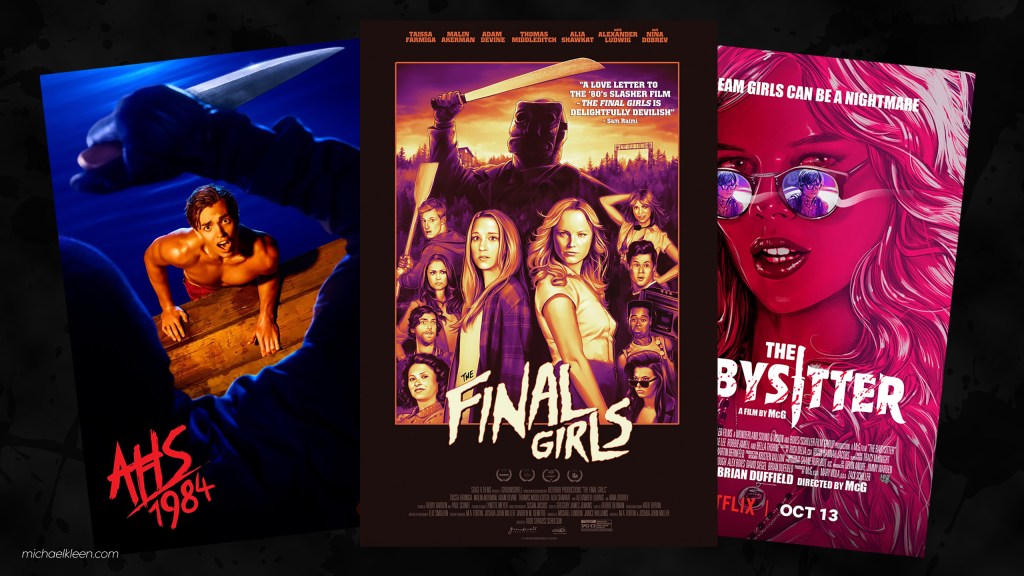
There’s something unmistakably magnetic about the 1980s as a setting for horror films. It’s not just nostalgia for big hair, synth-heavy soundtracks, and mall culture—although those certainly add to the charm. The decade has become a perfect storm of aesthetic, cultural, and thematic elements that make it uniquely suited for the horror genre. From the real-world anxieties of the time to the evolution of horror itself, the 1980s offer an endlessly rich backdrop for terror. It’s no wonder that shows like Stranger Things and American Horror Story: 1984 and movies like The Babysitter, The Final Girls, and It revel in the vibe of this era.
But is it really just a longing for the past that draws us in, or was there something about the ’80s that made it especially fertile ground for horror storytelling? The answer lies somewhere in between. While nostalgia plays a part, the 1980s were also a cultural pressure cooker, a time of paranoia and excess that lent itself perfectly to the fears and thrills that horror thrives on.
First, it’s important to recognize that the 1980s were a turning point for horror as a genre. While horror had been around for decades, the ’80s saw it fully cross over into the mainstream. The slasher film became king, with franchises like Halloween, Friday the 13th, and A Nightmare on Elm Street becoming cultural phenomena. This wasn’t just about scary stories—it was about making horror fun, accessible, and profitable. For the first time, audiences were lining up in droves to see the latest horror flick, not just niche fans.
The ’80s horror boom also coincided with the rise of VHS and home video. Suddenly, horror was something you could take home, rewatch, and share with friends. Movies like Evil Dead and The Thing became cult classics because of this accessibility. These films didn’t just live on the big screen—they became part of everyday life, with their gory effects and over-the-top scares lingering in the collective imagination.
In other words, the 1980s was the moment when horror became not just a genre but a shared cultural experience. And it wasn’t afraid to lean into the era’s distinctive vibe.
The Aesthetic of Fear
The 1980s were defined by a very specific visual and auditory aesthetic that filmmakers have mined endlessly for its creepy potential. Think neon-lit arcades, fog-drenched suburban streets, and teenagers riding their bikes past rows of identical houses. It’s a setting that feels both cozy and uncanny, familiar yet unsettling. There’s an innocence to it—kids on walkie-talkies, a world without smartphones—but that innocence also makes the intrusion of horror all the more jarring.
Even the music of the ’80s feels tailor-made for horror. Synth-heavy scores, like those in Stranger Things or John Carpenter’s Halloween films, evoke a sense of otherworldly tension. They’re both nostalgic and eerie, tapping into a collective memory of late-night TV movies and dimly lit basements.
While the aesthetics of the ’80s are important, what really makes the era resonate for horror is its underlying cultural anxieties. The 1980s were a decade defined by fear. The Cold War loomed large, nuclear annihilation felt like a real possibility, and the AIDS epidemic was beginning to unfold. But on a smaller, more personal level, two specific panics gripped the public imagination: the Satanic Panic and the “Stranger Danger” epidemic.
The Satanic Panic, a moral hysteria over supposed devil-worshipping cults, exploded in the ’80s. Daycare centers were accused of ritual abuse, heavy metal music was seen as corrupting the youth, and even games like Dungeons & Dragons were labeled as gateways to the occult. This paranoia, though largely baseless, created a culture where people believed that evil could be lurking anywhere. For horror filmmakers, this was gold. The idea of small-town evil—hidden monsters, both literal and figurative—became a recurring theme. Movies like Children of the Corn and The Amityville Horror played directly into these fears.
Similarly, the rise of “Stranger Danger” campaigns tapped into the fear of the unknown. Parents were suddenly hyper-aware of threats to their children, whether real or imagined. This fear of predators lurking in suburban shadows became a staple of ’80s horror, from Halloween to Poltergeist. The idyllic settings of these films—perfect neighborhoods, shiny malls—were contrasted with the lurking menace, making the horror feel that much closer to home.
Another key reason the ’80s work so well for horror is the cultural fixation on teenagers during this time. The decade saw the rise of the teen movie, from The Breakfast Club to Ferris Bueller’s Day Off, and horror was no exception. The slasher formula—with its cast of rebellious teens facing off against a killer—was perfectly suited to the era’s youth-centric storytelling.
The teenagers of ’80s horror were often stand-ins for the era’s anxieties. They represented the consequences of breaking rules, whether those were societal norms or the specific “rules” of horror films (don’t have sex, don’t drink, and definitely don’t split up). These characters were often flawed, fun, and relatable, which made their fates all the more compelling.
But there’s another layer here: the ’80s loved excess. Everything was bigger, louder, and more dramatic, and this extended to horror. The gore was more over-the-top, the villains more iconic. Freddy Krueger wasn’t just a killer—he was a one-liner-spouting pop culture phenomenon. This larger-than-life quality made ’80s horror unforgettable.
Nostalgia or Timeless Appeal?
It’s easy to dismiss the current obsession with ’80s horror as pure nostalgia. After all, many of the people creating or consuming these stories today grew up during that time. Shows like Stranger Things play directly into this, with their careful recreation of ’80s fashion, technology, and pop culture references.
But there’s more to it than just looking back fondly. The 1980s represent a perfect mix of innocence and danger, a time when the world felt both exciting and terrifying. The lack of modern technology—no cell phones, no internet—makes the characters feel more vulnerable, heightening the tension. At the same time, the cultural paranoia of the era resonates in a way that feels surprisingly modern.
Ultimately, the 1980s are more than just a nostalgic setting for horror—they’re a lens through which we can explore universal fears. The decade’s unique mix of cultural anxieties, vibrant aesthetics, and youth-centric stories make it a perfect match for the genre. Whether it’s kids battling interdimensional monsters in Stranger Things or teens running from a masked killer in American Horror Story: 1984, these stories tap into something timeless: the thrill of fear, the bonds of friendship, and the fight against the unknown.
So the next time you watch an ’80s-inspired horror flick, remember: it’s not just about the retro vibe. It’s about what the ’80s represented—a time when the world felt like it was on the brink, and anything, even the most horrifying thing, seemed possible.
Donate
Enjoy what you read? Please consider making a one-time donation to support my research.
Enjoy what you read? Please consider making a monthly donation to support my research.
Enjoy what you read? Please consider making a yearly donation to support my research.
Choose an amount
Or enter a custom amount
Your contribution is appreciated.
Your contribution is appreciated.
Your contribution is appreciated.
DonateDonate monthlyDonate yearly

 M.A. Kleen
What are your thoughts?