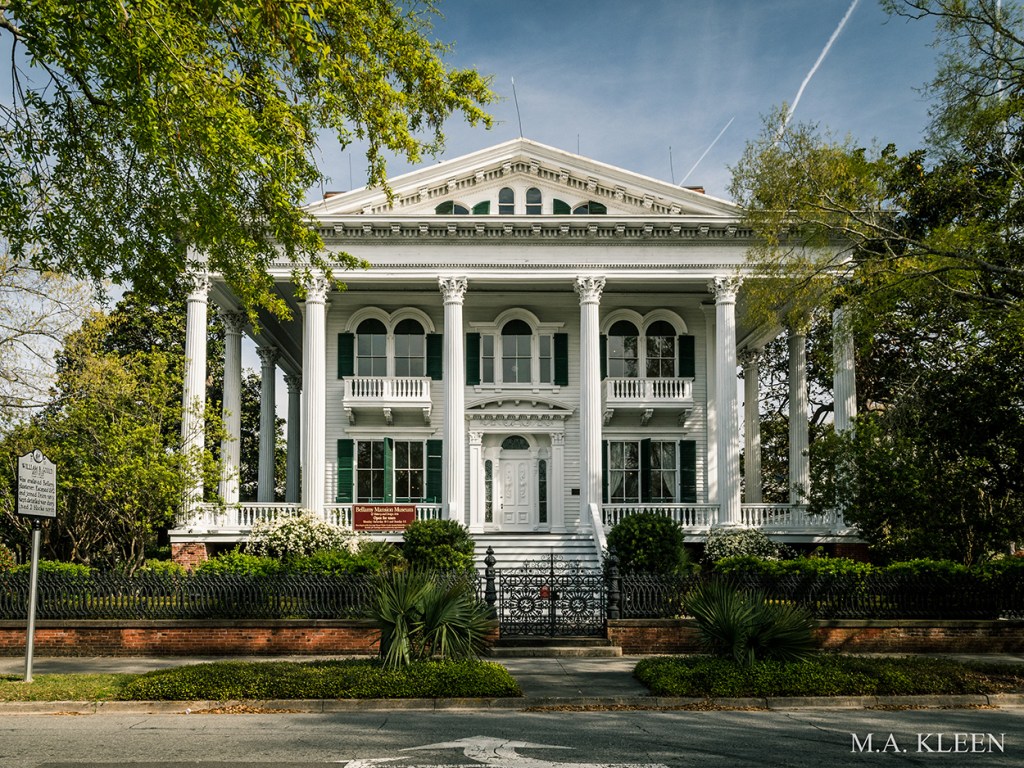
Step into the grand columns and ornate halls of the antebellum South, where breathtaking architecture hides stories of ambition, artistry, and the haunting echoes of a divided past. These historic mansions are more than relics—they’re windows into a world that shaped America’s soul.
The grand, columned mansions of the antebellum South stand as architectural monuments to a bygone era, their stately facades a blend of beauty and bittersweet history. These homes, with their sprawling verandas and intricate ironwork, tell stories of a time before the Civil War—a period marked by both elegance and unimaginable suffering. Today, they remain as time capsules, preserving the legacies of those who built, lived in, and toiled beneath their shadows.
Walking through these homes is like stepping into another century. You can feel the echoes of lives lived within their walls, from lavish parties in opulent parlors to the quieter, often untold, stories of those who worked behind the scenes. Let’s explore these architectural treasures, weaving together their beauty and the complex history they represent.
The Greek Revival Dream
Greek Revival architecture dominates the antebellum South, a style inspired by the democratic ideals of ancient Greece but adapted to Southern landscapes. Tall Doric or Ionic columns frame the entrances, while expansive porches provide relief from the sweltering heat. These homes were often built to impress, showcasing the wealth and influence of their owners.
One of the most striking examples is Longwood Mansion in Natchez, Mississippi. Known as “Nutt’s Folly,” this octagonal mansion was a marvel of its time, featuring elaborate Moorish-inspired designs and cutting-edge construction methods. But the Civil War interrupted its completion, leaving the interior unfinished. Today, Longwood is both a hauntingly beautiful structure and a poignant reminder of how war halted the ambitions of an entire era.
Walking through Longwood, you can’t help but feel the weight of its incomplete grandeur. The dusty, bare beams of the upper floors contrast starkly with the richly adorned basement level, where the Nutt family lived while waiting for the work to resume—a dream left forever suspended.
The Duality of Antebellum Homes
Every mansion tells two stories: one of wealth and privilege, and another of labor and exploitation. The genteel Southern ideal was made possible by the toil of slaves, whose craftsmanship can still be seen in the intricate woodwork, hand-laid brick foundations, and wrought-iron details that define these homes.
Consider Oak Alley Plantation in Louisiana, with its famous canopy of 28 live oak trees leading to the house’s grand entrance. The symmetry and elegance of the home are breathtaking, but the reality behind its beauty is sobering. Oak Alley was a sugarcane plantation, and its wealth was built on the backs of forced labor.
Today, Oak Alley serves as a historic site. Tours of the home and grounds emphasize the duality of its history, with exhibits honoring the lives of the enslaved men and women who worked there. Walking beneath the oak-lined path, you feel both the awe of its beauty and the gravity of its history.
The Social Hubs of a Bygone Era
Antebellum mansions weren’t just homes; they were social centers where balls, dinners, and political gatherings took place. These events were showcases of wealth and influence, where every detail of the home—from its furnishings to its architecture—played a role in the performance of Southern aristocracy.
The Gaineswood Mansion in Demopolis, Alabama, captures this spirit. Designed by Nathan Bryan Whitfield, this home is a masterpiece of symmetry and detail. Its domed ceilings, hand-painted murals, and Grecian-inspired columns reflect the cultural aspirations of the Southern elite.
But even as you admire Gaineswood’s beauty, it’s impossible to ignore the complex labor that brought it to life. Local enslaved artisans crafted much of the home’s interior details, including its elaborate plasterwork and wood carvings. Their skill and artistry are preserved within the walls, even if their names have been largely forgotten.
Survivors of War and Time
Many antebellum homes faced destruction during the Civil War, particularly those in strategic locations. Those that survived became symbols of resilience, their scars a testament to the South’s turbulent history.
Arlington House in Birmingham, Alabama, is one such survivor. Built in the 1840s, this Greek Revival mansion served as the headquarters for Union troops during the Civil War. Its stately appearance belies the chaos it witnessed, and walking through its rooms today feels like encountering a relic of perseverance. The home’s furnishings, carefully preserved, transport you back to the mid-19th century, offering a glimpse of life during both peace and conflict.
The survival of homes like Arlington House wasn’t just a matter of chance. Many families took extraordinary measures to protect their properties, hiding valuables and sometimes even negotiating with occupying forces. These homes remain as guardians of their stories, each scar and worn floorboard a marker of the past.
The Weight of History
As beautiful as they are, antebellum mansions carry a weight that’s impossible to ignore. They are reminders of a society built on exploitation, where grand façades often hid the suffering of those who labored unseen. And yet, they also represent the artistry, resilience, and complexity of the people who shaped them.
Preservation efforts play a critical role in telling these multifaceted stories. Homes like The Hermitage, Andrew Jackson’s plantation in Tennessee, or Rosedown Plantation in Louisiana are more than just tourist attractions—they are educational spaces where visitors can confront the realities of the past while admiring the craftsmanship that endures.
Visiting antebellum mansions isn’t just about marveling at their beauty; it’s about connecting with a complicated history that continues to shape the South today. These homes stand as architectural time capsules, capturing both the aspirations and contradictions of a bygone era.
When you step onto the porch of an antebellum mansion or run your hand along its intricate banister, you’re not just touching wood and stone. You’re touching history—a history filled with triumphs, tragedies, and the enduring spirit of those who came before us.

 M.A. Kleen
What are your thoughts?